When it comes to raising a confident, happy, and well-adjusted dog, early dog socialization is one of the most crucial steps an owner can take. From meeting other dogs to exploring new environments, every positive experience during puppyhood shapes how your dog sees the world for the rest of their life.
This guide explains what socialization is, why timing matters, and how you can create positive, lasting habits that lead to better behavior and stronger bonds.
Why Dog Socialization Matters
Dog socialization means gently introducing your puppy or adult dog to a wide variety of people, animals, sights, sounds, and situations. The goal is to create positive experiences that help your dog learn the world is safe and fun, not scary or unpredictable.
| Benefit | Impact on Your Dog |
| Builds confidence | Reduces fear and anxiety in new environments |
| Encourages adaptability | Helps dogs stay calm in unfamiliar situations |
| Teaches good manners | Promotes polite interactions with people and pets |
| Prevents aggression | Reduces risk of fear-based behavior problems |
| Strengthens bond | Builds trust between you and your pup |
A well-socialized dog is confident in any setting—around strangers, children, other dogs, and new environments.
When Does the Critical Socialization Period Occur?
The critical socialization period typically occurs between 3 and 14 weeks of age. During these early weeks, puppies are naturally curious and open to new experiences. This is the best time to introduce your pup to as many different types of people, places, and sounds as possible.

After about 16 weeks of age, puppies become more cautious and may react fearfully to new situations. That’s why starting early—and doing so positively—is so important.
What Happens If a Puppy Isn’t Properly Socialized?
Puppies who miss this window are at higher risk of developing behavioral issues like fear, anxiety, or even aggression toward other dogs or humans. Lack of exposure can lead to a dog who’s nervous during car rides, fearful in public areas, or reactive when meeting new people or animals.
How Does Socialization Affect an Adult Dog’s Behavior?
Dogs who are well socialized as puppies grow into well-adjusted adult dogs. They handle new environments calmly, get along with other canines, and show good manners around family members, children, and strangers.

In contrast, dogs who weren’t properly socialized might bark excessively, shy away from visitors, or show signs of stress in unfamiliar settings.
The good news? With patience and proper socialization, even older dogs can learn to adapt and gain confidence through gradual, positive exposure.
How Do I Socialize My Dog?
Proper socialization is about positive exposure, not overwhelm. Each experience should be pleasant and safe, helping your puppy associate new things with rewards and comfort.
Some examples include:
- Gentle petting from different people
- Meeting calm older dogs or cats under supervision
- Exploring new sounds like vacuums or doorbells
- Short car rides followed by treats
- Visiting public areas (after vaccines), such as parks or patios
Start with baby steps, short, calm interactions, and gradually build confidence.
How Can Puppy Classes Help Socialize My Dog?
Enrolling your pup in puppy training classes or puppy socialization groups is one of the best ways to expose them to other dogs, humans, and various situations in a controlled environment.
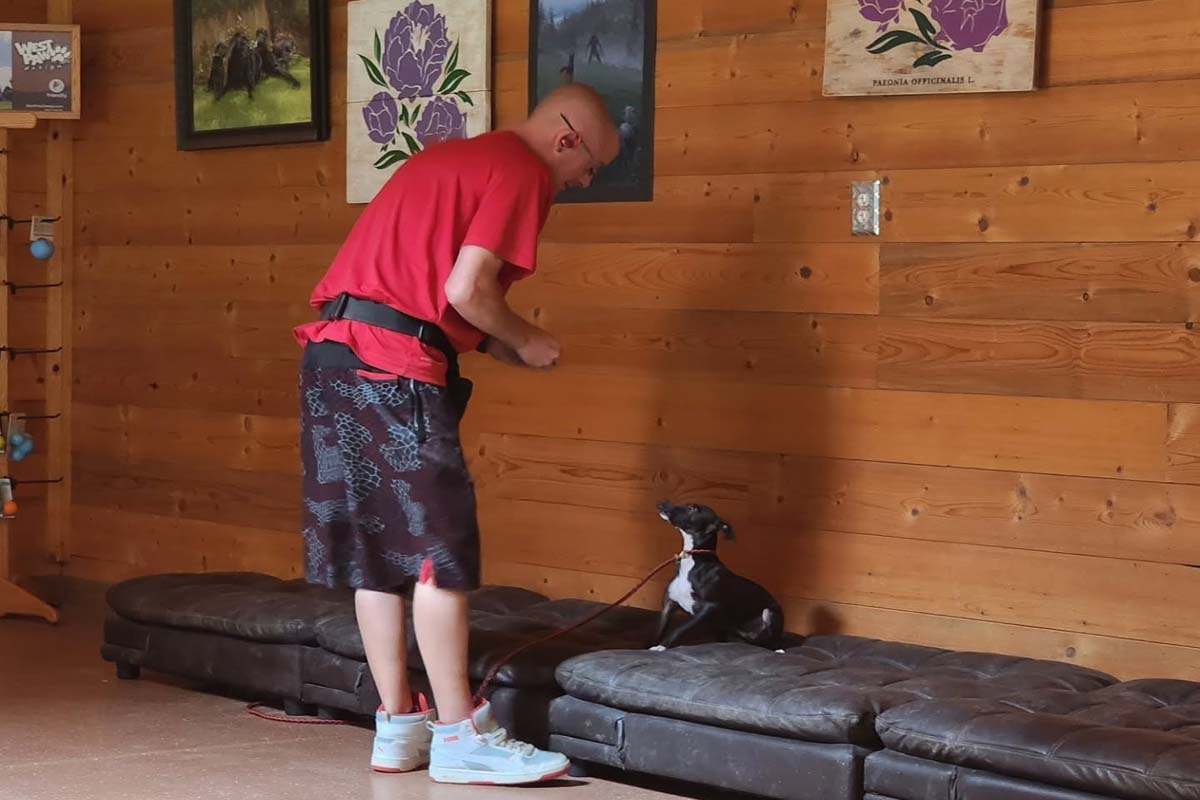
Our Puppy Training Bootcamp helps puppies learn social skills, play appropriately, and practice focusing around distractions. It also gives owners expert guidance from our professional trainers who understand canine behavior and positive reinforcement methods.
Puppy classes aren’t just about obedience—they’re about teaching life skills through fun, safe interactions.”
Can Adult Dogs Still Benefit from Socialization?
Yes, while puppies are the easiest to shape during the socialization period, adult dogs can absolutely improve their comfort and confidence through patient, consistent exposure.
For example:
- Take short walks in new environments
- Introduce friendly other dogs one-on-one
- Reward calm behavior around children and strangers
- Make every outing a positive experience with treats and praise
It may take more time, but with understanding and patience, even a fearful or anxious adult dog can blossom into a well-adjusted companion.
Professional training can make this process easier—programs like our Adult Dog Training Bootcamp or Behavior Modification Programs at Desert Sky K9 are designed to help dogs build confidence, overcome fear, and develop calm, polite behavior through positive reinforcement and expert guidance.
How Can I Make Socialization a Positive Experience?
Use positive reinforcement at every step. Bring high-value treats and celebrate calm curiosity. Never force your dog toward something scary—let them choose to explore at their own pace.

Consistency builds confidence, and confidence leads to better behavior.
What Should I Avoid During Dog Socialization?
Avoid overwhelming your pup or pushing them into frightening situations. Never yell, force, or punish nervous behavior—it can make fear worse.
Common mistakes include:
- Exposing puppies to too many stimuli at once
- Ignoring signs of fear (tail tucked, ears back, trembling)
- Skipping vaccinations before visiting public spaces
- Using aversive tools like shock collars, which can damage trust
Always focus on creating positive interactions, not “toughening up” your dog.
How Can I Introduce My Dog to Other Animals Safely?
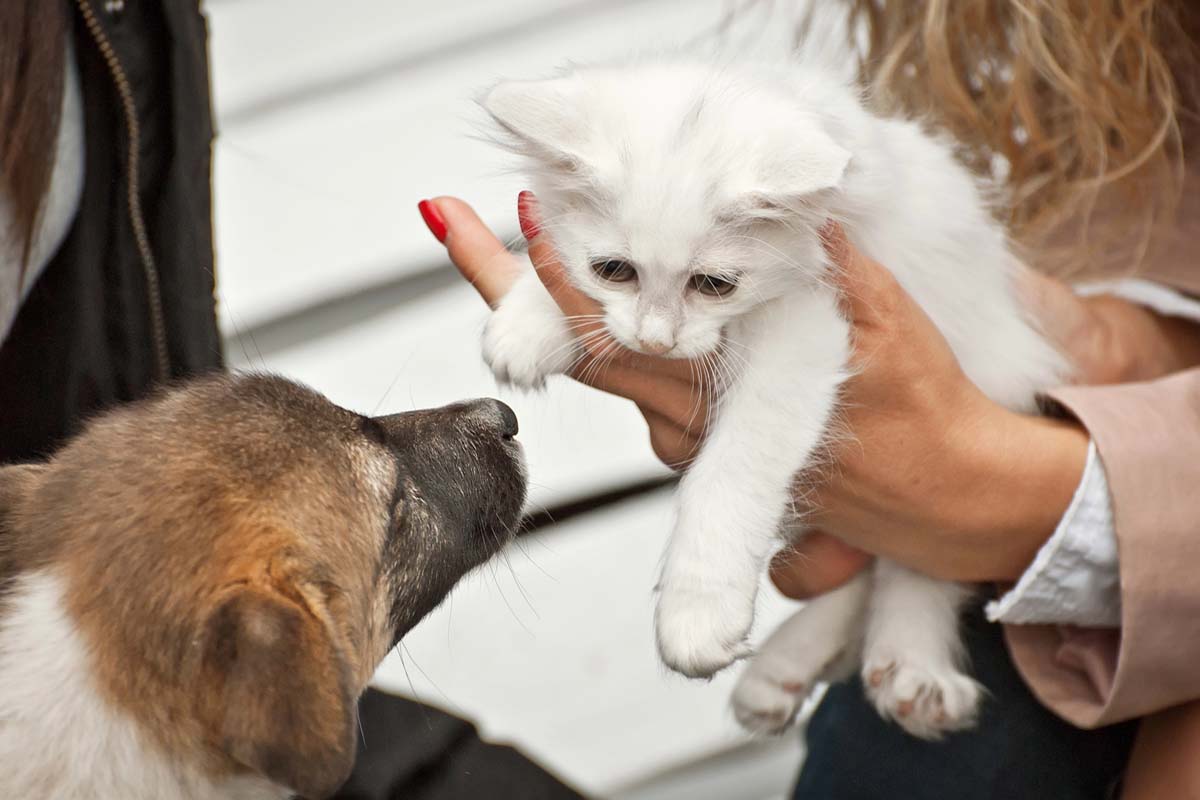
When introducing your dog to other animals, start slowly and in neutral spaces.
- Begin at a distance.
- Reward calm curiosity.
- Gradually decrease distance over several short sessions.
If your dog seems tense or reactive, take a step back. Proper socialization should feel like a fun game, not a confrontation.
At Desert Sky K9, our trainers sometimes use carefully chosen dog “helpers” during training sessions to help dogs learn social skills in a calm, controlled environment.
What Role Do Family Members Play in Socialization?
Every family member can participate in helping your dog feel comfortable and secure. Encourage children to interact respectfully—no pulling ears or sudden hugs—and teach them how to read a dog’s body language.
Socialization within the household helps your dog feel safe around all family members and builds trust in different settings.
How Can I Keep Socializing My Dog Throughout Life?
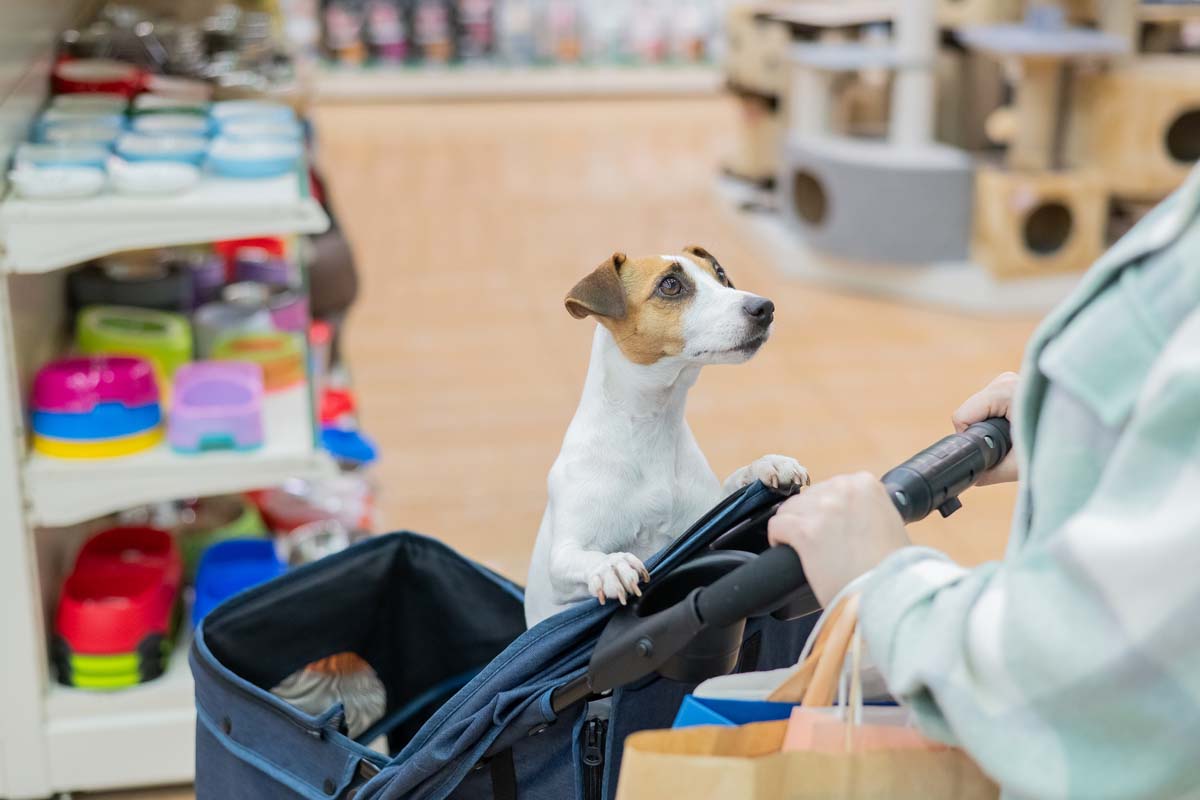
Socialization isn’t just for puppies—it’s a lifelong process.
Regularly introduce your dog to new experiences, new people, and new environments so they remain adaptable and confident.
Simple ways to keep it going:
- Visit a new walking trail each week
- Invite friendly visitors over
- Practice calmness in pet-friendly stores
- Play “find it” games in different rooms
Keeping your dog engaged helps prevent boredom and reinforces positive behavior throughout life.
At Desert Sky K9, we believe training and socialization never truly end—which is why we offer Lifelong Complimentary Lessons for our clients. These follow-up sessions help you refresh your dog’s skills, strengthen your bond, and stay on track as your dog grows and changes.
Key Takeaways
- The critical socialization period (3–14 weeks) shapes lifelong temperament.
- Positive experiences with people, places, and animals build confidence.
- Puppy training programs provide safe exposure and structure.
- Adult dogs can still learn through patient, gradual exposure.
- Avoid punishment—focus on reward-based, fear-free training.
- Lifelong socialization keeps dogs adaptable and well-behaved.
What Does a Well-Socialized Dog Look Like?

A well-adjusted dog is calm, curious, and adaptable in various situations. They approach new things with confidence rather than fear, enjoy being around other dogs and humans, and recover quickly from surprises like loud sounds or changes in routine.
In short—they’re a joy to live with.
How Can My Veterinarian or Breeder Help?
Your veterinarian can guide you on when it’s safe to start socializing (after initial vaccinations), and reputable breeders often begin early exposure before puppies go home. Ask about your puppy’s early socialization experiences—it’s a sign of responsible breeding and care.
Once your puppy is ready to explore more, the professional trainers at Desert Sky K9 can help continue that foundation with positive, structured training that supports healthy behavior and confidence.
Final Thoughts: Socialization Is the Foundation of a Happy Dog
Early and ongoing dog socialization lays the groundwork for a balanced, confident companion. By investing time in positive experiences, introducing your dog to various environments, and using gentle, reward-based methods, you’re not only preventing behavioral problems—you’re creating a lifetime of trust, calm, and joy.
“Socialization isn’t just about meeting others—it’s about helping your dog feel safe, loved, and ready for anything life brings.”
Ready to Help Your Dog Thrive?

If you want a dog who’s calm, confident, and well-behaved in any situation, professional training can make all the difference. At Desert Sky K9, our programs are designed to set your dog up for success:
Puppy Training Bootcamp – Perfect for puppies in their critical socialization period. Your pup will learn social skills, crate training, and manners through fun, positive experiences.
Adult Dog Training Bootcamp – Ideal for adult dogs who need help with manners, leash walking, or focusing around distractions.
Behavior Modification Programs – Customized plans for dogs struggling with fear, reactivity, or anxiety. Our positive-reinforcement methods build confidence and trust—never fear.
Each program is led by professional trainers who understand that every dog is unique. Whether you’re starting fresh with a young pup or helping an older dog overcome challenges, Desert Sky K9 provides a safe, structured path to a happier, more balanced life.
Learn more about our training programs in Phoenix and book your complimentary meet & greet today.
Frequently Asked Questions
Start as early as 3 weeks of age, under your breeder’s care, and continue consistently once your puppy joins your home—typically around 8 weeks. Just avoid unsafe public areas until vaccinations are complete.
Yes, but go slowly. Use baby steps and positive reinforcement. Work with a certified trainer like Desert Sky K9 if needed to help your dog rebuild confidence safely.
Absolutely. Puppy classes help your pup learn manners, focus, and play nicely with other canines in a structured, supervised environment.
Start at a distance. Let your dog approach at their own pace and reward calm interactions. Avoid forcing contact—comfort builds naturally through repetition.
It’s an ongoing process! Puppies should have frequent socialization experiences during their first months and continued exposure throughout adulthood.
Yes. Dogs who learn that new people, animals, and sounds are safe are far less likely to develop fear-based aggression or anxiety.
Look for signs like yawning, lip-licking, trembling, or avoiding eye contact. Take a break and try again later—socialization should be positive, not stressful.
Shelters often provide socialization programs. Once home, continue with safe, structured exposure, professional dog training, and positive experiences to help your new pet settle in.