
Spending time at a lake with your dog can be one of the best ways to enjoy the Arizona summer. From splashing in cool water to relaxing along the shore, lakes offer a fun escape from the desert heat.
But taking your dog to a lake also comes with risks that many owners don’t immediately think about. Natural bodies of water can present hazards like fishing hooks, blue-green algae, and hidden debris that can quickly turn a fun outing into a dangerous situation.
With the right precautions, awareness, and training, you can help keep your dog safe while still enjoying everything Phoenix lakes have to offer.
Why Is Water Safety Important for Dogs at Lakes?
Many people assume their dog is a strong swimmer—but not all dogs are naturally good swimmers, and even confident dogs can get into trouble.
Water safety is especially important in lakes because conditions are unpredictable. Unlike a pool, lake water may contain bacteria, parasites, or sharp objects beneath the surface.
Keeping your dog safe starts with understanding that lakes are not controlled environments, and even calm water can become dangerous quickly.
Are All Dogs Natural Swimmers?
Not all dogs are natural swimmers, even if many people assume they are.
Some breeds are built for swimming, while others can struggle due to body structure, size, or comfort level in the water. Dogs with short legs, heavy bodies, or flat faces (brachycephalic breeds) often have a harder time staying afloat.
Even dogs that are considered better swimmers can become tired, panic, or find themselves in a dangerous situation—especially in large, open lakes.
Puppies and dogs without prior water experience may also lack confidence, which increases the risk of accidents.
Because of this, it’s important to:
- Never assume your dog will instinctively know how to swim
- Introduce water gradually and positively
- Use a life jacket for added safety
Understanding your dog’s ability—and limitations—can make a big difference in keeping your lake day safe and enjoyable.
Should Your Dog Wear a Life Jacket at the Lake?
Yes—using a life jacket (or life vest) is one of the simplest ways to protect your dog.
Even strong swimmers can become tired, especially during long periods of swimming or when jumping off a boat.
When choosing a life jacket for your dog, look for:
- Bright colors for visibility
- A handle on top for quick rescue
- Proper fit based on your dog’s size and comfort level
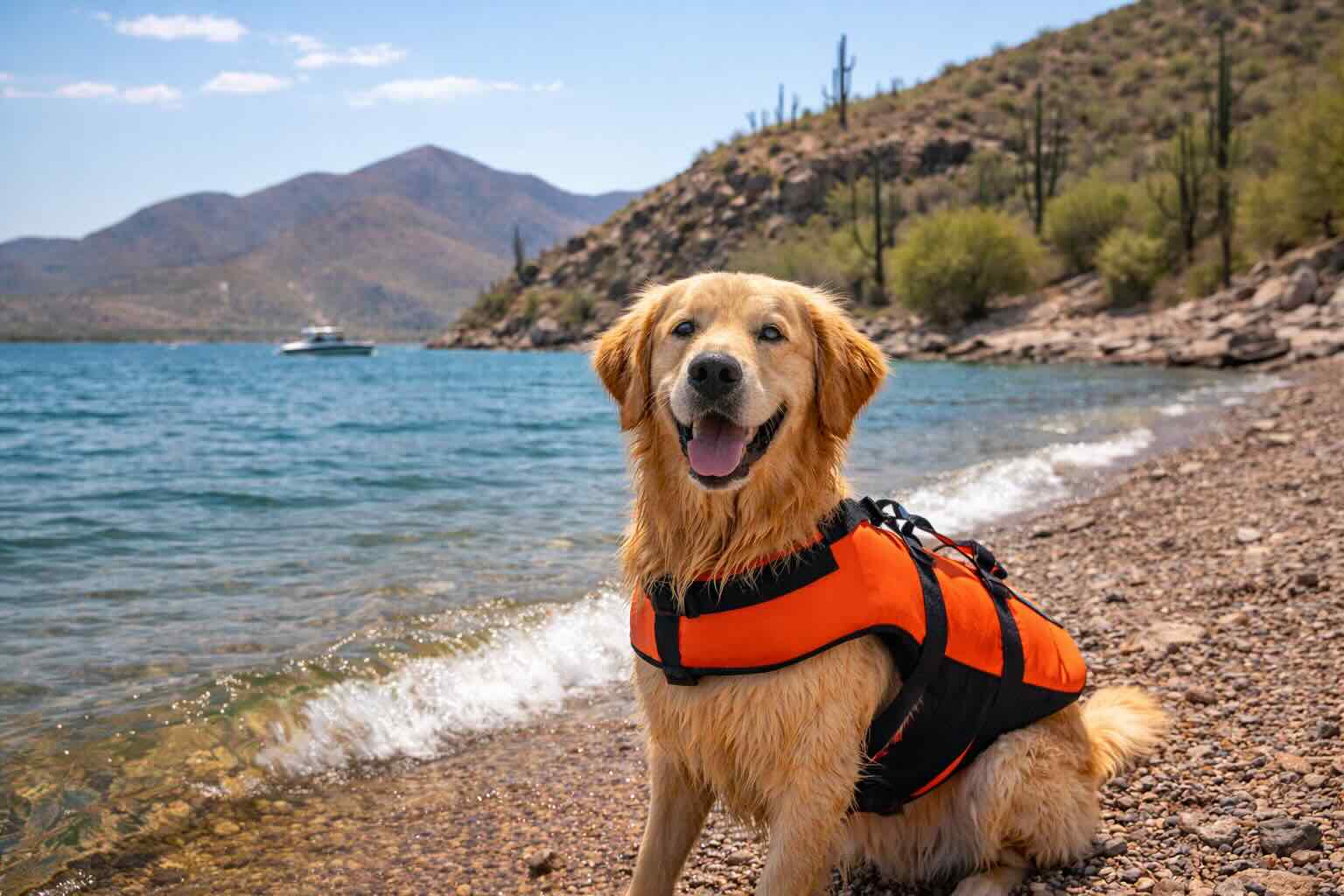
A life jacket is especially important for puppies, older dogs, and breeds that are not natural swimmers.
What Hazards Should You Watch for in Lake Water?
Lakes can hide several dangers just below the surface.
Common hazards include:
- Fishing wire and hooks around rocks and shorelines
- Broken glass or sharp debris
- Sudden drop-offs or uneven ground
- Boats and watercraft nearby
Fishing-related debris is one of the most common risks when bringing your dog to a lake. Discarded hooks, bait, sinkers, and nylon fishing line can be found along the shoreline, around rocks, and even in shallow water. Dogs may step on hooks, become tangled in line, or try to eat bait—leading to serious injuries or emergencies. In some cases, swallowed lead sinkers can cause lead poisoning, which requires immediate veterinary care.
Always keep your dog close, avoid areas where people are actively fishing, and scan the ground before letting your dog explore. If you notice fishing debris, it’s best to guide your dog away from the area entirely.
Can Dogs Drink Lake Water?
It’s best to prevent your dog from drinking lake water whenever possible.
Lake water can contain:
- Bacteria and parasites
- Chemicals or runoff
- Harmful algae
Bring plenty of fresh water and a portable bowl so your dog stays hydrated safely. Encourage your pup to drink clean water frequently, especially during hot dog days in Phoenix.
How Harmful is Blue-Green Algae to Dogs?
Blue-green algae (also called cyanobacteria) can be extremely dangerous and even life-threatening for dogs.
Algae blooms are more common during hot summer months and can appear as green, blue, or even reddish film on the water’s surface.
Signs of exposure may include:
- Vomiting or diarrhea
- Weakness or collapse
- Skin irritation
If you notice algae or suspect contamination, do not let your dog drink or swim in the water. Always check for posted signs before visiting.
You can learn more about harmful algae blooms and water safety from trusted resources like the CDC and Arizona Department of Environmental Quality
Should You Keep Your Dog on a Leash at the Lake?
In many areas, yes—your dog should be leashed.
For example, at Lake Pleasant Regional Park, dogs are welcome but must typically be kept on a leash and under control at all times. You can review current pet rules and park guidelines on the official Maricopa County Parks website before your visit.
Leashing helps:
- Prevent your dog from running into dangerous areas
- Avoid wildlife encounters
- Keep your dog away from fishing lines and other hazards
Even well-trained dogs benefit from leash control in unfamiliar environments.
Is It Safe to Take Your Dog on a Boat?
Taking your dog on a boat can be a fun way to enjoy the lake together, but it adds another layer of responsibility.
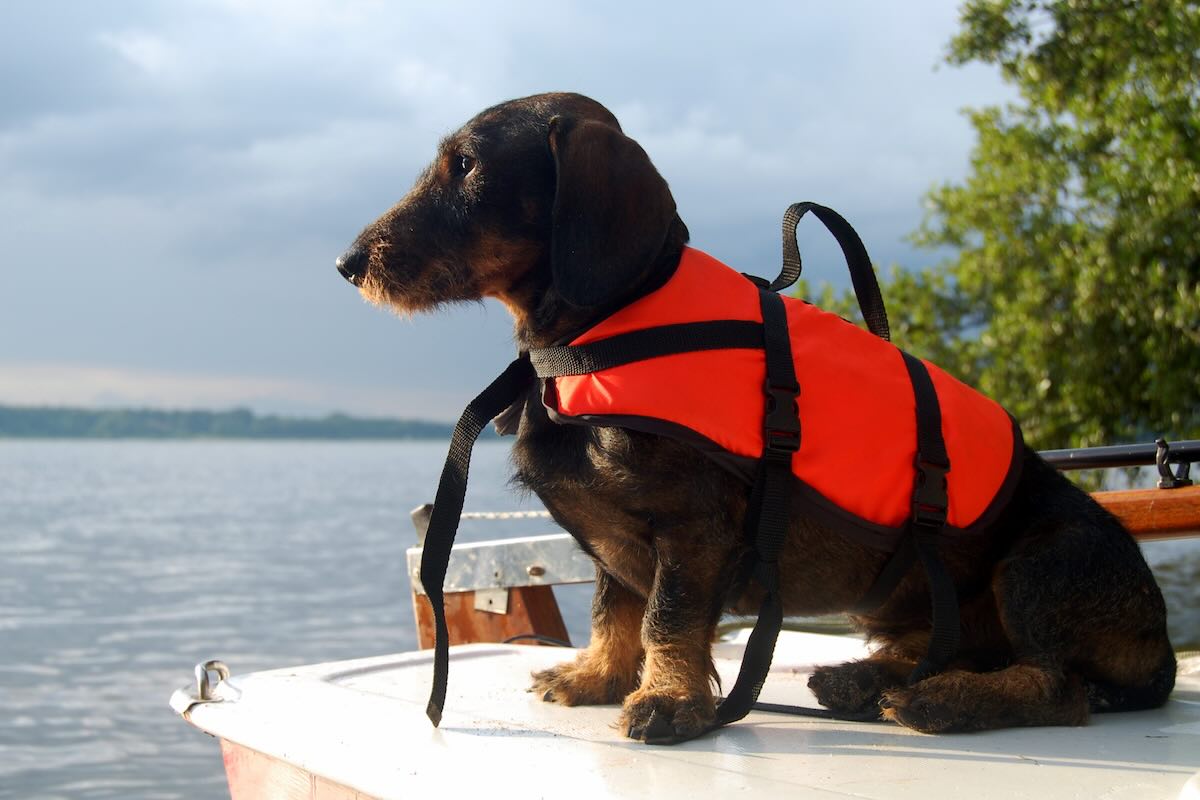
Even if your dog is a strong swimmer, boating introduces risks like sudden movement, deep water, and difficulty getting back onboard. A properly fitted life jacket is essential, especially when your dog is on or near a boat.
Keep your dog close and avoid letting them move around freely while the boat is in motion. Slippery surfaces and unexpected jumps can quickly lead to accidents.
It’s also important to:
- Provide a stable, shaded spot where your dog can rest
- Bring fresh water so your dog doesn’t drink lake water
- Help your dog safely in and out of the boat rather than letting them jump
With the right precautions, boating with your dog can be a safe and enjoyable experience—but supervision and preparation are key.
How Can You Keep Your Dog Safe Around Wildlife?
Arizona lakes are home to wildlife, including fish, birds, and desert animals.
Your dog’s natural curiosity can lead to risky situations if they chase or approach wildlife too closely.
Training plays a big role here—commands like “leave it,” “come,” and loose-leash walking help you quickly redirect your dog and avoid dangerous encounters.
What About Water Temperature and Weather?
While lakes may feel cool, water temperature can still affect your dog.
Cold water can cause shock, especially if your dog jumps in suddenly. On the flip side, shallow areas can heat up quickly and become uncomfortable.
Watch your dog closely for signs of fatigue, overheating, or discomfort, and give them breaks on shore to rest.
How Do You Spot Signs of Trouble While Swimming?
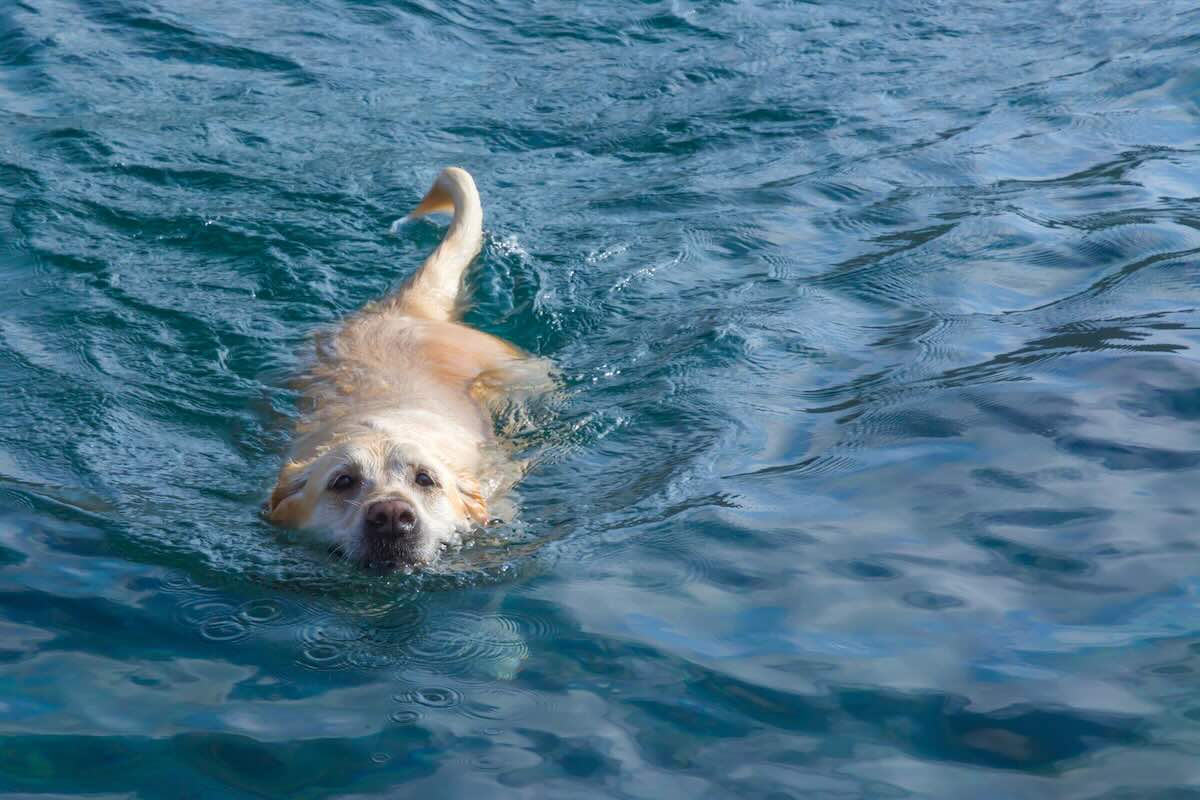
Always keep a close eye on your dog when they’re in or near water.
Watch for:
- Struggling to stay afloat
- Excessive panting
- Sudden changes in behavior
- Reluctance to swim or exit the water
Drowning can happen quickly and quietly, so staying attentive is key to preventing emergencies.
What Should You Bring for a Safe Lake Day With Your Dog?
Preparation makes all the difference.
Bring:
- Fresh water and a bowl
- A dog life jacket
- Towels for drying
- An aid kit for minor injuries
- Treats and toys for positive reinforcement
Having the right supplies helps you respond quickly if something unexpected happens.
Can Puppies Go to the Lake?
Yes—but with extra precautions.
Puppies are still building confidence and may not understand their limits around water.
Keep puppies:
- Close and supervised at all times
- In shallow areas
- Wearing a properly fitted life vest
Short, positive experiences help create a healthy comfort level with water over time.
How Does Training Help Keep Your Dog Safe at the Lake?
Training is one of the most important safety tools you can have.
A dog with reliable obedience is easier to manage in unpredictable environments like lakes, rivers, and beaches.
At Desert Sky K9, programs like our Board and Train Bootcamp focus on:
- Recall (coming when called)
- Impulse control
- Leash manners
- Focus on distractions

These skills can help you guide your dog away from dangerous situations before they escalate.
If your dog struggles with listening outdoors or around distractions, structured training can make lake outings safer and more enjoyable.
Lakes in and Around Phoenix for You and Your Dog
If you’re planning on taking your dog to a lake, there are several popular options across Phoenix and Northern Arizona. Many dog owners head north during the summer months for cooler temperatures and more comfortable conditions.
You can start your search here:
Phoenix & Surrounding Area Lakes:
Popular Lakes in Northern Arizona (Cooler Summer Options):
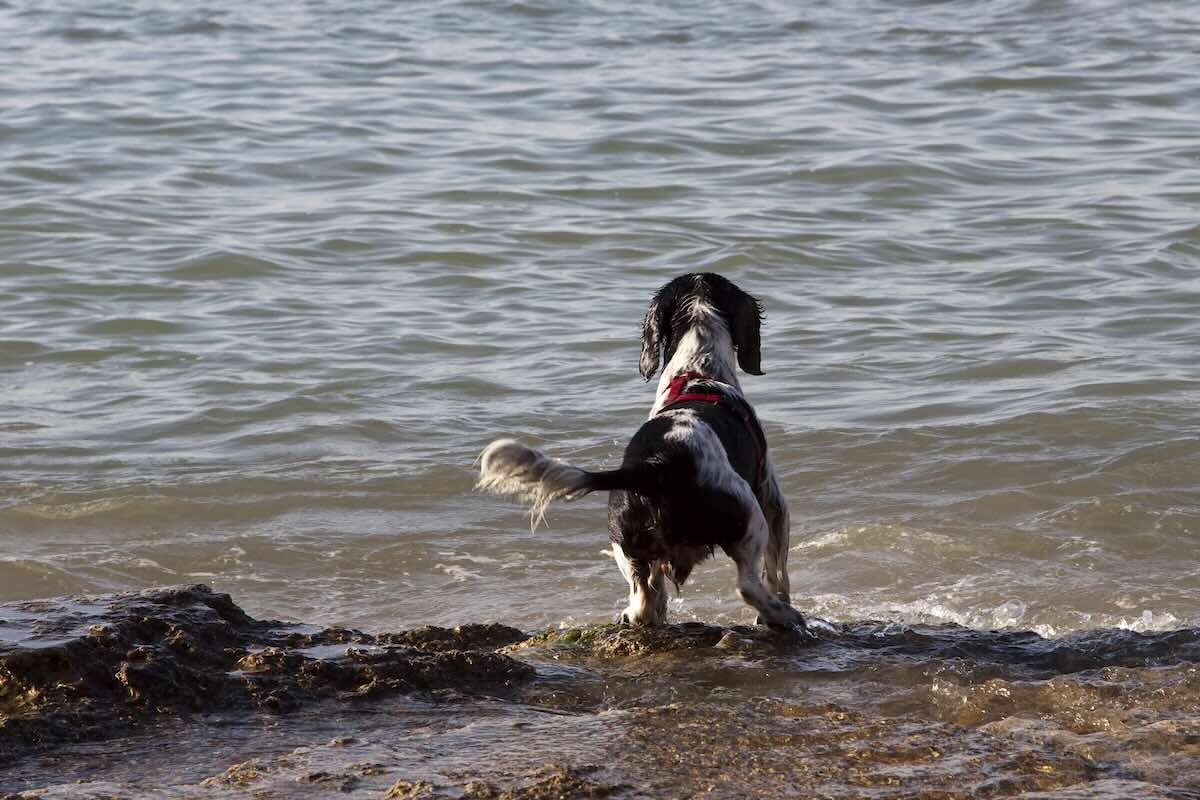
Before visiting, always check official park or recreation websites for updated rules, water conditions, and safety information.
Before heading out, it’s also a good idea to:
- Check local advisories
- Look for posted warning signs
- Observe the water for algae, debris, or unusual color
Being aware of your surroundings helps you avoid dangerous situations before they start.
Looking for Alternatives to the Lake?
Not every great dog day has to happen at the lake. For many dogs, calmer environments like parks, walking paths, or hiking trails can actually be a better fit—especially for dogs still building confidence, focus, or good behavior around distractions.
A structured walk or hike allows you to stay engaged with your dog, reinforce training, and avoid some of the unpredictable elements that can come with natural bodies of water.
If you’re exploring other options, these guides can help you plan safer and more enjoyable outings with your dog:
Dog Park Etiquette & Social Skills
Hiking With Dogs in Phoenix
Choosing the right environment for your dog’s comfort level can make outings more enjoyable—and safer—for both of you.
Key Takeaways: Taking Your Dog to a Lake Safely
- Always prioritize water safety, even for strong swimmers
- Use a life jacket for added protection
- Prevent your dog from drinking lake water
- Watch for hazards like fishing lines, broken glass, and algae blooms
- Keep your dog leashed and under control
- Bring fresh water, supplies, and an aid kit
- Use training to maintain control in real-world environments
Final Thoughts: A Safer Lake Experience Starts With Training
Taking your dog to a lake can be an incredible way to enjoy the outdoors together—but only when your dog is truly prepared for that environment.
With the right training, everything changes:
- Better behavior around distractions
- Safer responses near water, wildlife, and other people
- More relaxed and enjoyable outings for both you and your dog
When your dog reliably listens—even in exciting or unpredictable environments like lakes—you’re able to step in before situations become dangerous.
If you want to feel confident bringing your dog to the lake—and actually enjoy the experience—Desert Sky K9 can help you get there.
Schedule your free, no-obligation consultation
FAQs About Taking Your Dog to a Lake
Is lake water safe for dogs to swim in?
It can be, but not always. Always check for algae blooms, bacteria, and posted warnings before letting your dog swim.
Do all dogs need a life jacket?
While not required for every dog, a life jacket is highly recommended—even for strong swimmers—for added safety.
Can dogs get sick from lake water?
Yes. Bacteria, parasites, and algae can cause stomach issues, skin irritation, or more serious health problems.
Are dogs allowed at Lake Pleasant?
Yes, dogs are allowed at Lake Pleasant Regional Park, but they must be leashed and under control.
What should I do if my dog drinks lake water?
Monitor for signs like vomiting or diarrhea and contact your veterinarian if symptoms appear.