
Golden Retriever temperament is typically friendly, affectionate, playful, and eager to work with people. These active dogs often make wonderful family companions, but they need daily exercise, mental enrichment, companionship, and consistent training. Golden Retrievers generally weigh 55–75 pounds and have a life expectancy of approximately 10–12 years.
If your children are familiar with the Air Bud movies, chances are they already have a soft spot for Golden Retrievers. While we cannot promise your dog will make the basketball team, there are plenty of reasons to love this intelligent, loyal breed.
Just remember that the movie probably skipped the shedding, muddy paws, and scene where someone discovers a suspiciously damp shoe.
Before bringing home a Golden, learn what to expect from the breed’s temperament, traits, training needs, health, and lifespan.
Golden Retriever at a Glance
| Golden Retriever fact | Typical breed information |
| Breed group | Sporting |
| Size | Medium to large |
| Height at the shoulder | Males: 23–24 inches; females: 21.5–22.5 inches |
| Weight | Males: 65–75 pounds; females: 55–65 pounds |
| Life expectancy | Approximately 10–12 years |
| Coat colors | Various shades of gold |
| Temperament | Friendly, affectionate, playful, people-oriented, and eager to work with people |
| Exercise needs | High; adjust activity for age, health, and weather |
| Trainability | Generally high with consistent, positive reinforcement |
| Coat | Dense, water-repellent double coat with feathering |
| Shedding | Considerable, especially during seasonal coat changes |
| Best suited for | People prepared to provide daily activity, grooming, training, and companionship |
Size and lifespan figures come from the American Kennel Club’s Golden Retriever breed profile. Breed standards describe typical adult proportions; individual dogs can fall outside these ranges. A healthy target weight depends on the dog’s build and body condition.
What Is a Golden Retriever’s Temperament?
The typical Golden Retriever temperament is affectionate, social, enthusiastic, and cooperative. Many Goldens enjoy being involved in family activities and would prefer to accompany you rather than supervise the house alone.
Goldens were developed to retrieve game alongside people. Today, that working background often shows up as a love of fetching, carrying toys, exploring, and participating in whatever their owners are doing.
Sometimes that means bringing you a ball. Sometimes it means bringing you a sock you did not realize was missing.
Their friendly reputation does not mean every Golden is automatically calm or confident. Genetics, early experiences, health, socialization, training, and daily routines all influence behavior. Without suitable outlets or guidance, a young Golden may chew cushions, steal shoes, jump on visitors, or struggle to settle.
Those behaviors deserve practical training and management rather than a label such as “neurotic.” Sudden or concerning behavior changes also warrant a veterinary check.
Are Golden Retrievers Good Family Dogs?
Yes, Golden Retrievers often make excellent family dogs when their activity level, size, and need for companionship match the household.
Their playful, affectionate nature can be a lovely fit for families who want a dog involved in everyday life. Many enjoy walks, retrieving games, outings, and relaxing close to their people afterward.
However, “family dog” is not the same as “low-maintenance dog.” Goldens need time for exercise, grooming, training, and interaction. Families who are routinely away for long stretches should plan for reliable breaks and care.
A yard can be useful, but it will not teach manners or provide companionship. Your Golden would probably prefer a game with you over unlimited access to an empty lawn.
Are Golden Retrievers Good With Young Children?
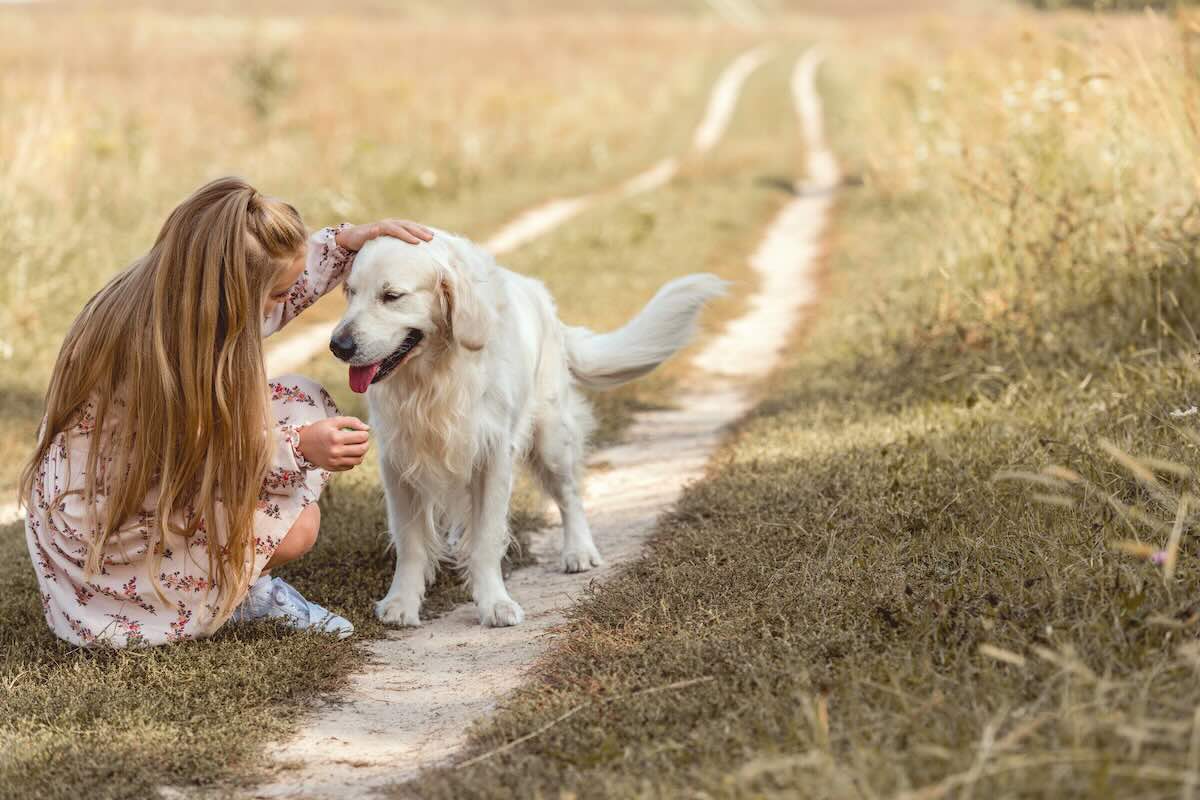
Golden Retrievers are often affectionate with children, but dogs and young children should always be actively supervised.
Even a friendly Golden can knock over a toddler, grab a toy, or become too excited during play. Puppies may also mouth hands and clothing as they explore and learn.
Teach children to leave dogs alone while they eat, sleep, or rest in their own space. Avoid climbing on dogs, pulling their ears or tails, or forcing hugs. Give the dog a quiet place to retreat, and teach gentle play, polite greetings, and calm settling.
A patient reputation does not replace supervision or respect for an individual dog’s boundaries.
Are Golden Retrievers Easy to Train?
Golden Retrievers are generally highly trainable because many enjoy working with people and respond well to food, toys, praise, and play.
Their enthusiasm can also make them distractible. A puppy who sits beautifully in the kitchen may have an entirely different agenda when a visitor arrives carrying a sandwich.
Common training challenges include:
- Jumping and overexcited greetings
- Pulling on the leash
- Mouthing hands or clothing
- Chewing and carrying household objects
- Counter-surfing and stealing food
- Ignoring recall around distractions
- Difficulty settling while the family is busy
Short, consistent sessions help build useful habits without overwhelming a young dog. Reward behaviors you want, manage access to tempting objects, and practice skills gradually in different settings.
Gentle training can begin as soon as your puppy comes home. Ask your veterinarian about safe socialization and group-class participation based on vaccination status and local disease risk. Puppy training in Phoenix can help establish routines before that small bundle of fluff becomes a much stronger training partner.
Do Light and Dark Golden Retrievers Have Different Temperaments?
Coat shade alone does not reliably tell you how a Golden Retriever will behave.
Labels such as “English cream,” “red,” or “American” may appear in advertisements, but they are not dependable promises of a calmer, healthier, or better family dog. The Golden Retriever Club of America explains that pale-colored Goldens are part of the same breed.
Breeding priorities and family lines can influence energy and working drive, but color is not a substitute for evaluating the individual dog. Ask about the parents’ temperament, health testing, early socialization, and the puppy’s likely fit with your household.
How Much Exercise Does a Golden Retriever Need?
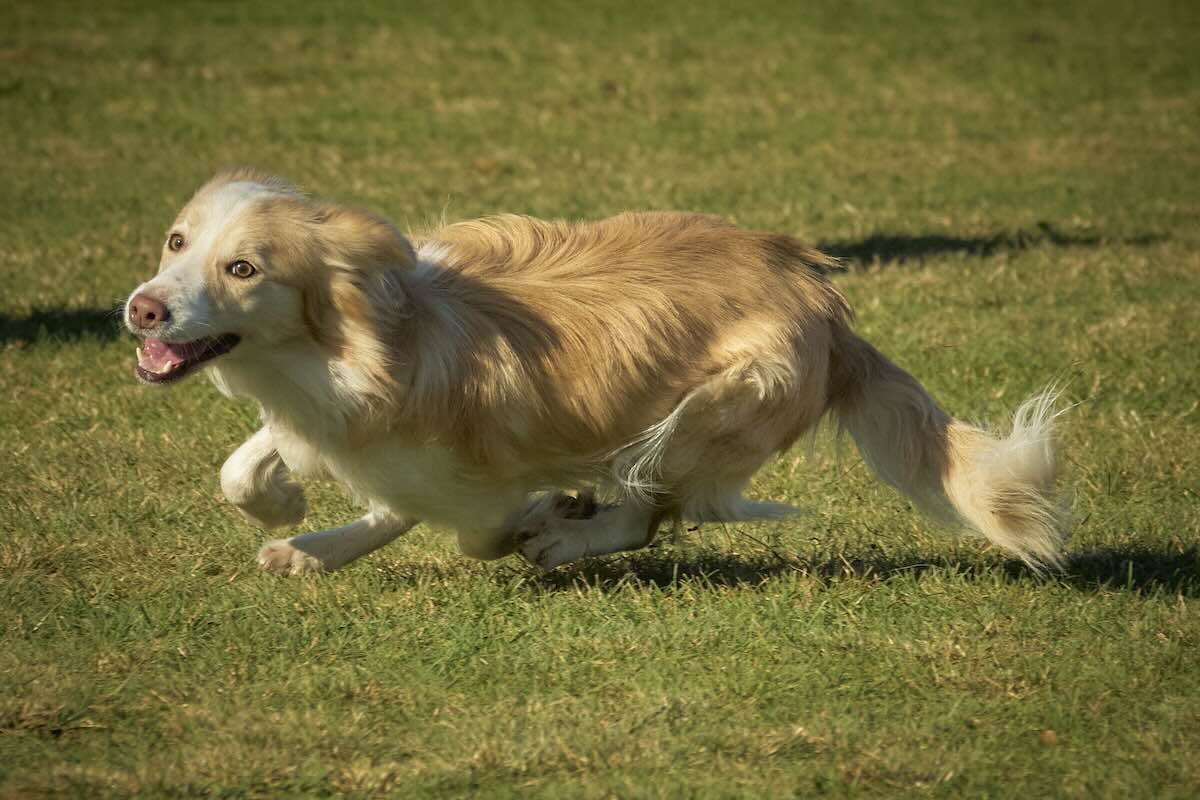
Golden Retrievers need daily physical activity and mental enrichment, with the amount and intensity adjusted to their age, health, conditioning, and individual energy level.
Useful activities include:
- Walks and opportunities to sniff
- Retrieving games with breaks
- Supervised swimming where appropriate
- Food puzzles and scent games
- Short training sessions
- Age-appropriate hikes and structured play
Spread activity through the day rather than expecting one exhausting outing to solve every behavior problem. Dogs also need to learn how to relax; being tired does not automatically teach loose-leash walking or polite greetings.
Puppies should not be pushed through intense running, repetitive jumping, or long forced outings to wear them out. Ask your veterinarian about suitable activity for growing joints. Older dogs may need shorter walks and lower-impact alternatives.
Can a Golden Retriever Live in an Apartment?

Yes. A Golden Retriever can live in an apartment if its exercise, enrichment, bathroom, companionship, and training needs are consistently met.
The daily routine matters more than the square footage alone. A large yard with little interaction may offer less than regular walks, games, and training with an involved apartment owner.
Still, plan for a substantial dog bed or crate, food storage, grooming supplies, and room to move comfortably. A Golden’s feathered tail is unlikely to respect your carefully arranged coffee table.
Consider stairs, elevator access, housing restrictions, outdoor breaks, and how you would manage an older dog with mobility problems. Teach calm hallway greetings, quiet settling, and comfortable time alone in small steps.
What Should You Feed a Golden Retriever?
Golden Retrievers need a complete and balanced diet appropriate for their life stage, health, and activity level. Growing puppies need food formulated for growth, including the growth of large-size dogs.
Measure meals, account for training treats, and adjust portions with veterinary guidance. Keeping a Golden lean helps avoid adding unnecessary strain to joints. The feeding guide on a package is a starting point, not a personalized prescription.
Food price or the presence of ingredients sometimes called “fillers” does not, by itself, establish nutritional quality. Look at nutritional adequacy, formulation, quality control, and how well the food suits your dog.
Desert Sky K9 supports raw feeding as an option when carefully planned and appropriate for the individual dog. A balanced raw diet involves more than raw meat, and raw ingredients can carry pathogens that affect dogs and people. Safe handling helps reduce exposure but does not eliminate the risk.
If you are considering a raw diet, discuss nutritional balance and household safety with your veterinarian or a board-certified veterinary nutritionist. Read our raw food diet for dogs guide for a closer look at the considerations. Whatever feeding approach you choose, focus on balanced nutrition, suitable portions, and your dog’s individual needs.
What Health Problems Are Common in Golden Retrievers?
Golden Retrievers can lead active, enjoyable lives, but owners should be aware of inherited conditions and other health concerns affecting the breed.
Potential concerns include:
- Hip and elbow dysplasia
- Inherited eye conditions, including cataracts and pigmentary uveitis
- Heart conditions, including subvalvular aortic stenosis
- Certain cancers, including hemangiosarcoma and lymphoma
- Skin allergies and ear problems
- Hypothyroidism
- Excess weight and associated mobility problems
These are possible concerns, not a prediction for every Golden. Regular veterinary care and prompt evaluation of changes in appetite, weight, movement, skin, or energy can help owners respond appropriately.
When choosing a puppy, ask for verifiable results for both parents. The Golden Retriever Club of America’s health-screening guidance covers hip, elbow, eye, and heart examinations. A general “vet checked” statement does not replace breed-specific screening.
Testing supports informed breeding decisions but cannot guarantee lifelong health. For a deeper look at research into cancer and other diseases, visit the Morris Animal Foundation’s Golden Retriever Lifetime Study.
How Long Do Golden Retrievers Live?
The typical Golden Retriever lifespan is approximately 10–12 years, although individual dogs may live shorter or longer lives.
Genetics, disease, body condition, nutrition, preventive care, and environment all influence longevity. As dogs age, veterinary checkups can help address changes in comfort, mobility, and daily needs.
Golden Retriever Life Stages
| Life stage | What owners may notice | Training and care priorities |
| Puppy | Chewing, mouthing, curiosity, and bursts of energy | Safe socialization, potty training, gentle handling, routines, and basic cues |
| Adolescent | Increasing strength, distractibility, and exuberant play | Leash manners, recall, polite greetings, impulse control, and settling |
| Adult | Greater maturity with an ongoing need for interaction and activity | Continued training, enrichment, grooming, and healthy weight management |
| Senior | Possible changes in stamina, mobility, senses, or sleep | Veterinary monitoring, comfortable activity, adapted enrichment, and home accommodations |
There is no exact birthday when every Golden suddenly becomes calm. Consistent training and routines help dogs learn to settle while their playful personality remains intact.
Aggression, seizures, marked lethargy, or persistent bad breath should not be dismissed as normal aging. New behavior or health changes deserve veterinary attention.
Can Golden Retrievers Handle Arizona Heat?
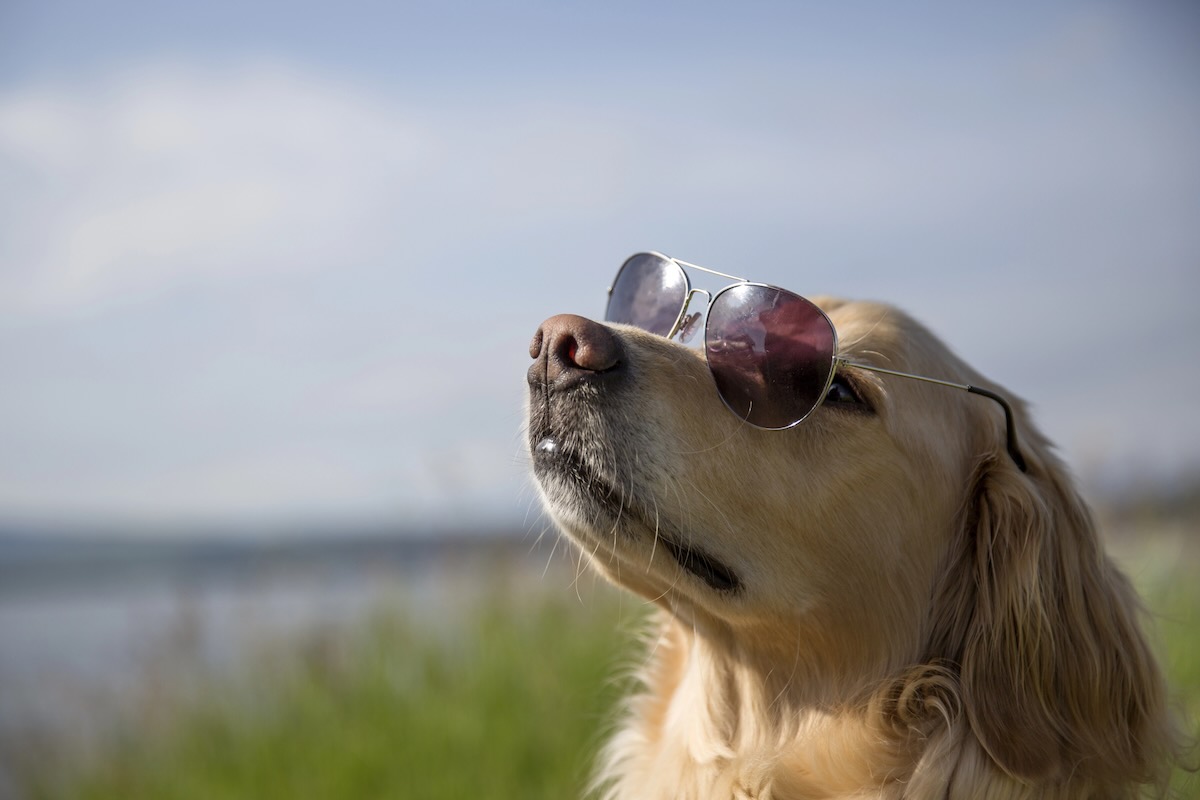
Golden Retrievers can live in Arizona, but Phoenix owners need to adapt exercise and care to the weather rather than expecting a dog to tolerate extreme heat.
A Golden’s enthusiasm for retrieving may outlast its ability to exercise safely. During hot weather:
- Choose cooler times for walks, and check actual conditions before heading out.
- Avoid hot pavement, concrete, and artificial turf.
- Provide fresh water and reliable access to air-conditioned indoor space.
- Use indoor training, scent games, and puzzles when outside activity is unsafe.
- Supervise swimming and secure access to backyard pools.
- Never leave a dog in a parked vehicle.
Heavy panting, weakness, vomiting, confusion, or collapse can indicate heat illness. Stop activity, move the dog to a cooler place, and contact a veterinarian immediately. Suspected heatstroke is an emergency.
Regular brushing helps remove loose coat and prevent tangles, especially behind the ears and around feathering. Do not assume shaving the double coat makes summer safe; discuss grooming with a qualified groomer or veterinarian. Owners should also expect plenty of shedding. Goldens are not a reliable choice for an allergy-sensitive household, and pet allergens are not limited to hair.
What Should Phoenix Golden Retriever Owners Know About Valley Fever?

Valley Fever is a fungal infection dogs can develop after inhaling spores from desert soil. Arizona owners should recognize possible symptoms rather than assuming a persistent cough is harmless.
Signs can include:
- Coughing or fever
- Reduced appetite
- Low energy or weight loss
- Limping or lameness
These symptoms have many possible causes. A veterinarian must evaluate the dog and determine whether testing or treatment is needed.
According to the University of Arizona Valley Fever Center for Excellence, dogs ill enough to need veterinary care usually require antifungal treatment. Do not assume a symptomatic dog will recover without care. The center provides authoritative information on Valley Fever symptoms and treatment in dogs.
Is a Golden Retriever Right for You?

A Golden Retriever may be a wonderful companion if its size, activity level, grooming needs, and desire for interaction fit your daily life.
| A Golden may suit you if… | A Golden may not suit you if… |
| You want an affectionate, involved companion | You prefer a highly independent dog |
| You can provide daily activity and enrichment | You have little time for walks, play, or training |
| You enjoy teaching and practicing household manners | You expect friendliness to mean automatic obedience |
| You can manage regular grooming and shedding | You want a nearly shed-free home |
| You can plan for breaks and companionship | The dog would routinely spend long periods alone without support |
| You can budget for preventive and unexpected care | Large-dog care would stretch your resources too far |
Consider the individual dog as well as the breed. An adult Golden whose needs and personality are already known may suit some households better than an energetic puppy.
Key Takeaways
- Golden Retriever temperament is usually affectionate, friendly, playful, and people-oriented.
- Their family-friendly reputation does not replace supervision around children or consistent training.
- Goldens need daily physical activity, mental enrichment, companionship, and help learning to settle.
- Coat shade does not guarantee temperament or health.
- Apartment living can work with an appropriate routine; a large yard is not essential.
- Expect shedding, regular grooming, and careful planning for Phoenix summers.
- Typical lifespan is about 10–12 years. Breed-specific health screening and ongoing veterinary care support informed ownership.
How Can Training Help a Golden Retriever Become a Better Family Companion?
Training helps channel a Golden Retriever’s natural enthusiasm into behavior that makes everyday family life more enjoyable.
A Golden may adore visitors and still jump on them. A dog who loves walks may still pull toward every person it meets. Clear guidance helps that friendliness become easier to manage.
Positive reinforcement training can help develop:
- Polite greetings and comfortable leash walking
- Reliable recall and impulse control
- Gentle play and appropriate chewing habits
- Calm behavior around children and guests
- Confidence in new settings
- Better communication between dog and owner
At Desert Sky K9, we have more than 30 years of experience training dogs of all breeds, ages, and personalities without shock or e-collars. We create customized training plans that support practical skills and trust between dogs and their families.
We also provide complimentary lifetime handling lessons for our training clients, helping owners continue practicing at home.
To help keep your furniture and sanity intact, call us at 602-510-5877 or schedule a complimentary consultation. We would love to learn more about your Golden and your family’s needs.
Frequently Asked Questions
Golden Retrievers are typically friendly, affectionate, playful, and eager to interact with people. Individual temperament also depends on genetics, health, early experiences, training, and environment.
Many Goldens are affectionate family companions, but interactions with young children require active supervision. Their size, excitement, and puppy mouthing can cause accidental injuries, so gentle play and boundaries matter.
Goldens are generally highly trainable and often enjoy food, play, and praise. Consistent practice is still needed for leash manners, recall, polite greetings, and calm behavior around distractions.
A pale coat does not guarantee a calmer temperament. Assess the individual dog, its parents, breeding priorities, health, and early experiences rather than relying on a color label.
Yes, provided the owner consistently meets the dog’s needs for activity, enrichment, bathroom breaks, companionship, and training. Housing rules and space for a large dog also matter.
Goldens need daily activity and mental enrichment, with intensity adjusted for age, health, fitness, and weather. Walks, sniffing, retrieving, supervised swimming, and training can all contribute.
Goldens may bark when excited, frustrated, worried, or seeking attention. Persistent barking needs an assessment of its triggers and the dog’s needs rather than an assumption that it is simply a breed trait.
Yes. Golden Retrievers shed considerably, particularly during seasonal coat changes. Regular brushing helps manage loose hair and tangles, but owners should expect fur around the home.
Golden Retrievers typically live approximately 10–12 years. Genetics, disease, weight, nutrition, veterinary care, and environment affect an individual dog’s lifespan.
Yes, with climate-controlled indoor living and routines adapted to the heat. Choose safe outdoor conditions, avoid hot surfaces, provide water, and use indoor enrichment when outdoor activity is unsafe.
Last Updated: October, 2026