Treating separation anxiety in dogs usually requires training, patience, and consistency. Positive reinforcement training, gradual desensitization, behavior modification, regular exercise, mental stimulation, and predictable routines help most dogs become more comfortable being left alone. In severe cases, a veterinarian or veterinary behaviorist may recommend medication alongside a structured training plan.
For many dog owners, leaving a beloved dog home alone can be stressful, especially when it leads to excessive barking, destructive behavior, pacing, or other signs of anxiety. The good news is that separation anxiety is treatable, and with the right training approach, many dogs learn to feel more relaxed and confident during alone time.
Did You Know?
Separation anxiety is one of the most common behavior problems affecting pet dogs. Addressing it early with positive reinforcement training and behavior modification can help prevent anxious behaviors from becoming more deeply ingrained. (Source: ASPCA – Separation Anxiety.)
In this guide, we’ll explain what causes separation anxiety, how to recognize the warning signs, and the most effective ways to help your dog build confidence while you’re away.
At a Glance
- Separation anxiety is different from boredom.
- Common signs include barking, destructive chewing, pacing, and house soiling.
- Exercise and mental stimulation help reduce anxiety.
- Gradual alone-time training is more effective than punishment.
- Severe cases may require professional behavior modification.
- Most dogs improve over several weeks or months with consistency.
How Do You Treat Separation Anxiety in Dogs?
- Rule out medical conditions.
- Increase physical exercise and mental stimulation.
- Gradually teach your dog to enjoy short periods alone.
- Keep departures and arrivals calm.
- Reward calm behavior with positive reinforcement.
- Seek professional help if your dog’s anxiety is severe.
What Is Separation Anxiety in Dogs?
Separation anxiety is a behavior problem in which a dog experiences intense fear or panic when left alone or separated from the people they are most attached to. Unlike boredom or excess energy, true separation anxiety can cause significant emotional distress and often requires a structured training approach to overcome.
What Are the Signs of Separation Anxiety in Dogs?
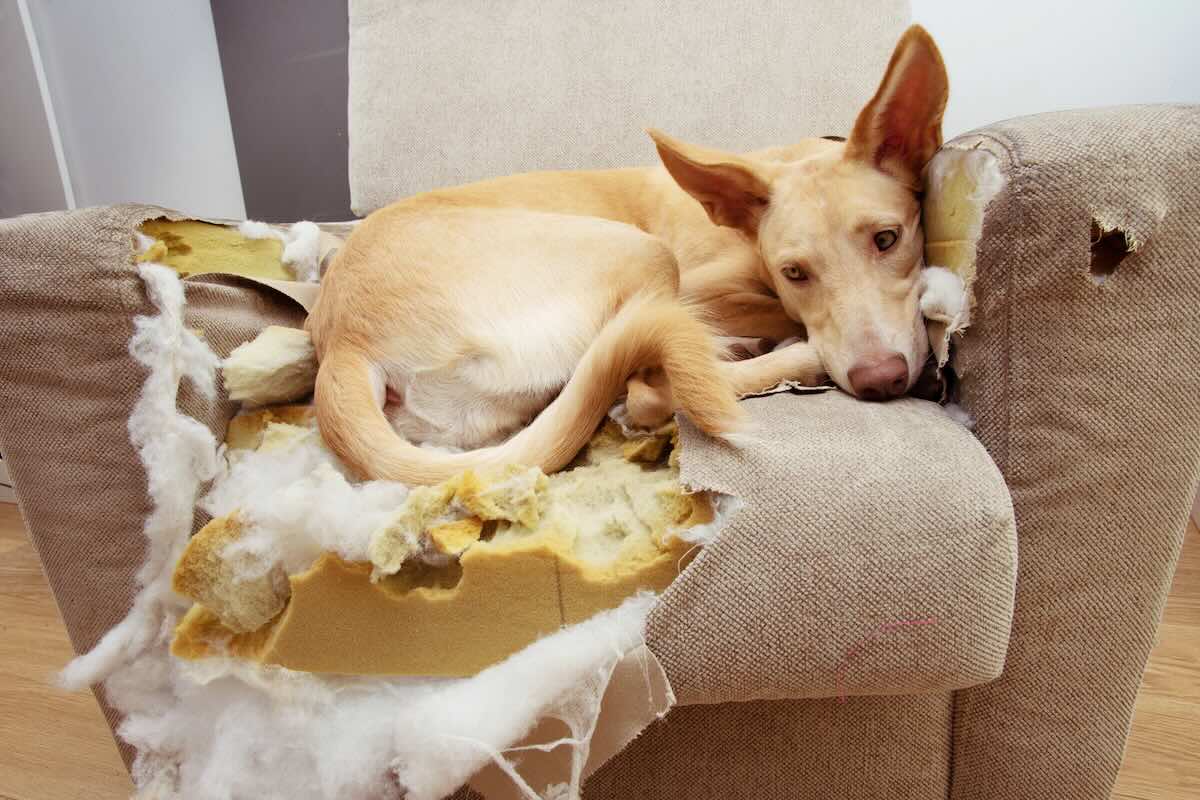
The most common signs of separation anxiety include excessive barking, destructive chewing, pacing, escape attempts, and house soiling that typically occur when a dog is left alone. Recognizing the symptoms of separation anxiety is essential for early intervention.
Dogs with separation anxiety usually begin displaying these behaviors within minutes of being left alone and stop once their owner returns.
| Normal Alone-Time Behavior | Separation Anxiety |
| Sleeps while you’re gone | Paces continuously |
| Chews approved toys | Destroys doors/windows |
| May bark briefly | Barks or howls for long periods |
| Relaxed when left alone | Panic when owner leaves |
| Calm upon return | Extremely distressed |
Why Do Some Dogs Develop Separation Anxiety?
While researchers don’t fully understand why some dogs develop separation anxiety, several factors may contribute to its development. Past experiences, such as being abandoned or rehomed, can increase a dog’s vulnerability to separation anxiety. Significant life changes, such as a move or the loss of a family member, can also trigger the onset of separation anxiety. Additionally, a lack of early socialization, genetics, or a history of trauma can play a role in its development.
Separation Anxiety vs. Normal Canine Behavior
It’s important to differentiate between separation anxiety and normal canine behavior. Dogs are social animals and may exhibit mild distress when left alone, especially during the initial adjustment period.
For young puppies, it’s perfectly normal to whine, bark, follow their owners, or become unsettled during the first days or weeks after leaving their mother and littermates and adjusting to a new home.
According to the American Kennel Club (AKC), these behaviors are a natural part of the transition and usually improve with patience, consistency, and a predictable routine.
True separation anxiety, however, goes beyond this normal adjustment period. Dogs with separation anxiety experience intense panic when left alone, often displaying persistent behaviors such as destructive chewing, escape attempts, excessive vocalization, or house soiling that don’t improve simply with time.

| Mild Separation Anxiety | Severe Separation Anxiety |
| Brief barking | Continuous barking/howling |
| Mild pacing | Escape attempts |
| Easily redirected | Panic when left alone |
| Improves quickly | Often needs professional help |
How Can You Tell If Your Dog Has Separation Anxiety?
Separation anxiety can sometimes be mistaken for other behavior problems or medical conditions. For example, boredom, lack of exercise, fear, noise phobias, cognitive decline in older dogs, or certain health issues can cause behaviors that look similar. Identifying the true cause is important because each requires a different approach to treatment.
The first step is to observe when the behavior occurs. Dogs with true separation anxiety typically become distressed only when they’re left alone or separated from the people they are attached to. If your dog shows signs such as excessive barking, destructive behavior, pacing, escape attempts, or house soiling primarily during your absence, separation anxiety may be the cause.
Could It Be a Medical Condition?
Before assuming separation anxiety, it’s essential to rule out any underlying medical conditions that could be causing or exacerbating your dog’s symptoms. Some medical issues, such as urinary tract infections or gastrointestinal problems, can manifest as behavioral changes. Consulting with your veterinarian will help ensure your dog receives a proper medical evaluation.
Once medical issues have been excluded, an experienced positive reinforcement dog trainer or veterinary behaviorist can evaluate your dog’s behavior and develop a customized behavior modification plan based on their individual needs.
Could It Be Something Other Than Separation Anxiety or a Medical Condition?
Sometimes, behavior problems other than separation anxiety may be at play. For example, boredom, lack of exercise, or inadequate mental stimulation can lead to destructive behavior or excessive vocalization. Addressing these factors through increased activity, mental enrichment, and structured training can help mitigate anxiety-like symptoms.

How to Treat Separation Anxiety in Dogs
Treating separation anxiety takes time, but most dogs improve with consistency, patience, and a structured training plan. Here are some of the most effective techniques.
How Can Exercise Help Treat Separation Anxiety?
Regular exercise is crucial for overall canine well-being and can help reduce anxiety. Physical activity helps to release excess energy and promotes relaxation. Engage in daily exercise sessions with your dog, incorporating activities such as walks, runs, or playtime to help alleviate stress and anxiety.
Aim for at least 30 minutes to an hour of exercise daily, depending on your dog’s breed, age, and health condition. Exercise tires out your dog physically and stimulates their mind, which can contribute to a calmer state during periods of separation.
Why Is Mental Stimulation Important?
Providing a stimulating and enriching environment can significantly reduce separation anxiety in dogs. For example, interactive toys like treat-dispensing puzzles can keep your dog mentally engaged and less focused on your absence. In addition, consider introducing new toys or rotating them regularly to prevent boredom and provide novel stimuli for your dog.
What Behavior Modification Techniques Help Treat Separation Anxiety?
Behavior modification techniques play a crucial role in treating separation anxiety. These techniques aim to gradually desensitize and counter-condition your dog to being alone. These techniques include gradual desensitization and counterconditioning.
How Does Gradual Desensitization Work?
Gradual desensitization is a commonly used technique to help dogs overcome separation anxiety. The goal is to acclimate your dog to your absence in a controlled and progressive manner.
Start by leaving your dog alone for a short period while you remain nearby. Then, gradually increase the duration of separation, rewarding your dog with praise and treats for calm behavior. This process should be repeated over several sessions until your dog becomes comfortable with more extended periods of solitude.
The goal is to expose them to gradual and controlled separations, allowing them to learn that you will always return.
What Is Counterconditioning?
Counterconditioning involves changing your dog’s emotional response to being alone by associating it with positive experiences. Create a positive association with your departure by offering special treats or engaging in an enjoyable activity, such as a favorite game or a puzzle. Doing so teaches your dog that being alone can be enjoyable and rewarding. Use high-value treats or toys exclusively reserved for these training sessions to maximize their effectiveness.
Why Is a Consistent Routine Important?
A consistent daily routine helps reduce separation anxiety by making your dog’s day more predictable and reducing uncertainty. Dogs thrive on routine, so setting regular times for meals, exercise, play, and rest can help them feel more secure and confident when left alone.
By adhering to a consistent schedule, your dog will feel more secure, knowing what to expect and reducing uncertainty-related anxiety.
Why Should You Keep Departures and Arrivals Low-Key?

Departures and arrivals can trigger anxiety. Normalizing them and maintaining a low-key demeanor when leaving and returning home is crucial to treating separation anxiety in dogs.
During training, ignore your dog for a few minutes before leaving and returning home. This teaches your dog that departures and arrivals are not high-stress situations and helps normalize these events and keep your dog calm.
What Are Predeparture Cues and Why Do They Matter?
Departure cues are specific things you do that signal to your dog that you’re about to leave, such as picking up your keys, putting on your shoes, or grabbing your purse. Dogs often learn to associate these cues with being left alone and may begin showing signs of anxiety before you even leave the house. To alleviate this anxiety trigger, desensitize your dog to these cues by repeatedly exposing them without leaving. For example, pick up your keys multiple times throughout the day, but remain at home.
Should You Use a Crate?
Crate training can be a valuable tool in managing separation anxiety. Many dogs find solace and security in a properly introduced and comfortable crate. Introduce the crate gradually, associating it with positive experiences such as treats and feeding. Create a safe and cozy environment inside the crate with a comfortable bed and toys. The crate can serve as a den-like space where your dog feels secure during your absences.
However, some dogs with severe separation anxiety become even more distressed when confined. If your dog panics in a crate, consult a positive reinforcement trainer or veterinarian before using crate training as part of your treatment plan.
Should You Punish an Anxious Dog?
Punishing or scolding your dog for anxious behavior can worsen separation anxiety. It reinforces their fear and can lead to further distress. Similarly, providing extreme comfort or attention during anxiety episodes can inadvertently reinforce the anxious behavior. Instead, remain calm and composed, and avoid cuddling your dog. Reward and praise them when they exhibit calm behavior, reinforcing positive responses to being alone.
Can Calming Aids Help Dogs with Separation Anxiety?
In addition to training, some dogs benefit from environmental management tools such as dog-appeasing pheromone diffusers, calming wraps, soothing music, or veterinarian-approved calming supplements. While these products won’t cure separation anxiety, they may help reduce stress for some dogs when combined with a structured behavior modification program.
Additionally, simulate your presence while you are away by leaving behind clothing items with your scent. This can provide a sense of familiarity and comfort during your absence.
You can also leave a TV or radio on at a low volume playing soothing music that your dog associates with relaxation. This can create a sense of companionship and mask external noises that may trigger anxiety.
Do Dogs Ever Need Medication?
In severe cases, anti-anxiety medication prescribed by a veterinarian may be necessary to help alleviate your dog’s anxiety and facilitate behavior modification. Drug therapy can reduce anxiety symptoms’ intensity. However, medication should always be used in conjunction with behavior modification techniques and under the guidance of a professional.
Can Boarding Help Dogs with Separation Anxiety?
If you need to travel or be away from home, leaving a dog with severe separation anxiety alone for extended periods can increase their stress and reinforce anxious behaviors. A reputable boarding facility with experienced trainers can provide a safe, structured environment with supervision, enrichment, and personalized care while you’re away.
While boarding alone isn’t a substitute for behavior modification training, it can play an important role in helping manage separation anxiety when combined with a structured training program.
That’s why Desert Sky K9 combines professional boarding with positive reinforcement training and behavior modification. This means your dog isn’t simply being watched while you’re away—they’re continuing to learn valuable skills that support long-term success.
Our trainers continue reinforcing positive behaviors and routines during your dog’s stay, helping reinforce the progress they’ve already made through training.
When Should You Call a Professional?
If your dog’s separation anxiety isn’t improving despite consistent training, or if their anxiety is severe enough to result in destructive behavior, escape attempts, self-injury, or extreme panic when left alone, it’s time to seek professional help. The sooner you address the problem, the easier it often is to prevent anxious behaviors from becoming deeply ingrained.
An experienced positive reinforcement dog trainer can assess your dog’s behavior, identify anxiety triggers, and develop a customized behavior modification plan tailored to your dog’s personality and needs. If your dog has severe separation anxiety or isn’t making progress with training alone, your trainer may also recommend working with your veterinarian or a veterinary behaviorist to rule out medical conditions and determine whether medication should be part of the treatment plan.
At Desert Sky K9, our trainers specialize in behavior modification using positive reinforcement, helping dogs build confidence through customized training plans and practical, real-world guidance. If your dog is struggling with separation anxiety, we’re here to help you create a plan that supports both you and your dog every step of the way.
Key Takeaways
Start with very short periods alone.
Gradually increase alone time.
Make departures and arrivals low-key.
Provide plenty of exercise and puzzle toys.
Never punish anxious behavior.
Contact a professional if anxiety is severe.
Ready to Help Your Dog Feel More Confident?
Dogs suffering from separation anxiety can be challenging and distressing. However, understanding the causes, recognizing the symptoms, and implementing preventive measures can create a supportive environment for your dog.
Remember, each dog is unique, and the severity of separation anxiety can vary. Tailor your approach to suit your dog’s needs, and don’t hesitate to seek professional guidance if necessary.
With time, understanding, and proper training, you can make a positive difference in your dog’s well-being, help them overcome separation anxiety, and strengthen your bond.
We are Here to Help
Living with a dog that struggles with separation anxiety can be stressful for both you and your pet—but you don’t have to tackle it alone.
At Desert Sky K9, we specialize in positive reinforcement training and customized behavior modification programs that help dogs build confidence and learn healthy coping skills when left alone.
Schedule your complimentary consultation, and we’ll evaluate your dog’s behavior, discuss your goals and answer any questions you have, and recommend a personalized training plan that’s right for both you and your dog.
Together, we can help your dog feel calmer, more confident, and happier—whether you’re home or away.
Frequently Asked Questions
Some puppies naturally become more comfortable being alone as they mature, but true separation anxiety usually does not go away on its own. Without proper training, many dogs continue to experience anxiety whenever they’re left alone, and the behavior may even worsen over time. The good news is that most dogs can make significant improvements with a consistent treatment plan that includes gradual desensitization, behavior modification, mental stimulation, and positive reinforcement.
There is no one-size-fits-all timeline for treating separation anxiety in dogs. Mild cases may begin to improve within a few weeks, while moderate to severe cases can take several months of consistent training. The key is to progress gradually and avoid moving faster than your dog is comfortable with. Patience, consistency, and celebrating small successes are essential to long-term improvement.
It depends on the individual dog. Some dogs see their crate as a safe, comfortable place and relax when left alone. However, for dogs with true separation anxiety, being confined can sometimes increase feelings of panic and lead to attempts to escape, potentially causing injury. If your dog already enjoys spending time in their crate, it can be part of a treatment plan. If they become more distressed when crated, consult a professional trainer or veterinarian before relying on crate training.
It’s generally helpful to keep departures and arrivals calm rather than making them emotional events. Instead of giving your dog lots of attention right before leaving, go about your routine in a relaxed, low-key manner. When you return home, wait until your dog has settled down before offering enthusiastic greetings. This helps reduce the excitement and anxiety that can become associated with your comings and goings.
Medication alone does not cure separation anxiety, but it can be an effective part of a treatment plan for dogs with severe anxiety. Anti-anxiety medications prescribed by a veterinarian or veterinary behaviorist can help lower your dog’s stress levels, making behavior modification training more successful. Medication is most effective when combined with gradual desensitization, positive reinforcement, and a structured training program.
Separation anxiety can affect dogs of any breed. While some studies have found that certain breeds may appear more frequently in clinical cases of separation anxiety, researchers have not identified a consistent breed predisposition. A dog’s personality, early life experiences, routine changes, socialization, and training history are generally considered more important factors than breed alone. Source: Overall KL. Clinical Behavioral Medicine for Small Animals.
Yes, puppies can experience separation anxiety, although it’s important to distinguish it from normal adjustment behavior. It’s common for young puppies to whine or cry when first learning to spend time alone. True separation anxiety involves intense panic that continues beyond the normal adjustment period. Teaching puppies to enjoy short periods of alone time, providing plenty of exercise and mental enrichment, and using positive reinforcement can help build confidence and reduce the risk of developing separation anxiety later in life.
Last Updated: August 2026