Taking your dog to the dog park should feel like the highlight of your day—fresh air, happy zoomies, and a tired dog on the way home.
But here’s the truth most dog owners learn the hard way: dog parks don’t teach social skills—they test them.
A dog park is not a place to teach behavior—it’s where your dog’s training shows up (or doesn’t). With so many dogs, unfamiliar smells, and unpredictable energy, things can shift quickly.
That’s why understanding dog park etiquette and making sure your dog is prepared is the key to a safe, fun experience.
What Is Dog Park Etiquette?
Dog park etiquette is the combination of written rules and unspoken expectations that keep everyone safe and comfortable.
It includes things like:
- Picking up after your dog
- Watching your dog’s behavior
- Respecting other dogs and dog owners
- Stepping in before situations escalate
Most dog parks have posted rules, but good etiquette goes beyond signs; it’s about awareness, responsibility, and control.
Why Dog Park Behavior Matters More Than You Think
Dog parks bring together many dogs with different personalities, training levels, and social skills.
That means:
- Not all dogs play the same way
- Not all dogs are comfortable with strangers
- Not all dog owners are paying attention (unfortunately)
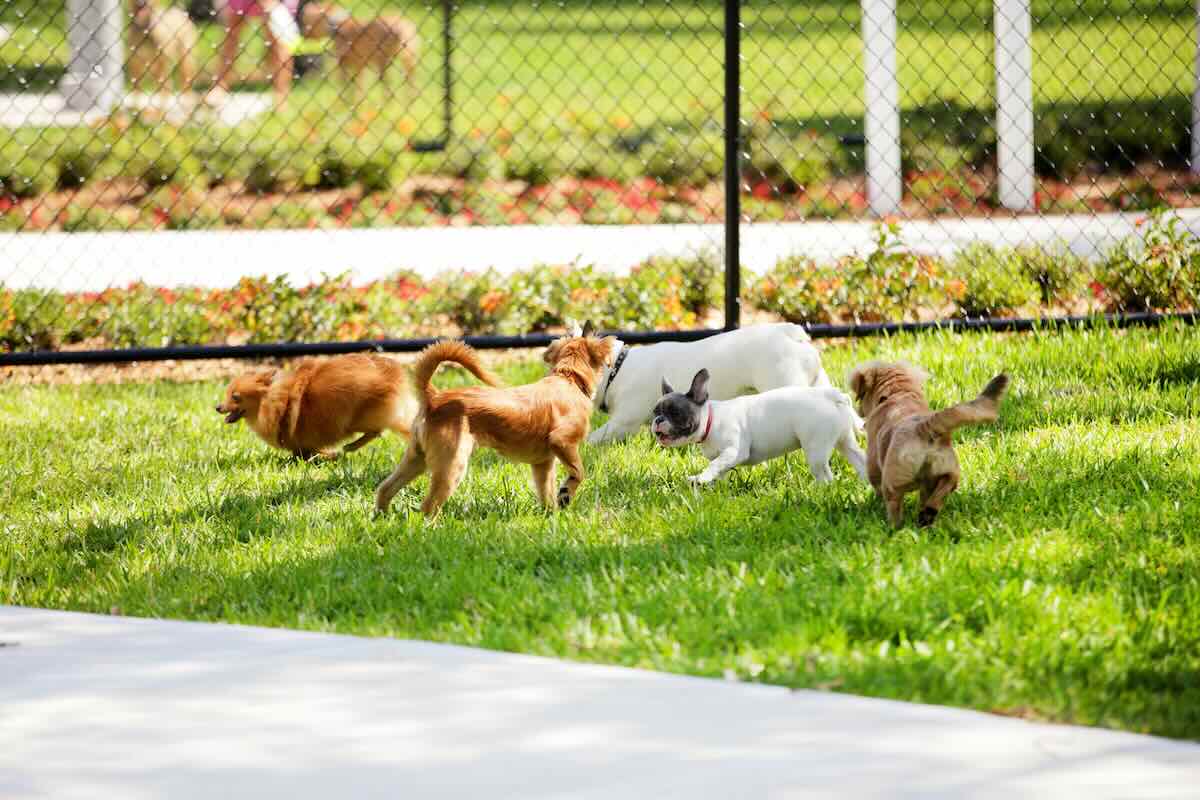
Even friendly dogs can become overwhelmed in a high-energy environment. One dog displaying aggressive behavior or fear can quickly impact the entire dog park experience.
This is why your awareness matters just as much as your dog’s behavior.
Is Every Dog a Good Fit for the Dog Park?
Short answer: No—and that’s completely okay.
Not all dogs enjoy the dog park environment. Some may feel overstimulated, anxious, or frustrated.
Your dog may not be a good fit if they:
- Show aggressive behavior toward other dogs
- Are easily overwhelmed or a frightened dog
- Ignore recall commands
- Engage in excessive rough play
Socialization isn’t about forcing your dog into situations—it’s about setting them up for success in the right environment.
How to Tell If Your Dog Is Ready for the Dog Park
Before stepping through that gate, your dog should have a solid foundation of training.
Look for these skills:
- Reliable recall (coming when called)
- Ability to disengage from other dogs
- Loose leash walking
- Focus around distractions
If your dog struggles in these areas, it’s worth building those skills first through structured training like Desert Sky K9’s Board and Train Bootcamp for adult dogs or Puppy Training Bootcamp for younger pups. A controlled environment makes a huge difference before introducing the chaos of a dog park.
Early socialization also plays a major role in how your dog responds to new environments like a dog park. Dogs that are gradually and positively exposed to new people, places, and other dogs from a young age tend to be more confident and adaptable.
If you’re starting with a puppy—or even working with a newly adopted dog—this guide on Early Dog Socialization Is Key to a Well-Behaved Dog explains how proper socialization sets the foundation for better behavior long-term.

What Are the Most Important Dog Park Rules to Follow?
Every park is a little different, but these core rules apply almost everywhere:
- Always clean up after your dog and keep the park clean
- Make sure your dog is healthy and up to date on vaccinations
- Never bring a sick dog into the park
- Remove your dog immediately if aggressive behavior appears
- Avoid bringing food or high-value treats
- Stay present and supervise your dog at all times
These rules protect not just your dog—but every dog and person at the park.
Why Paying Attention Is Everything
Let’s be honest, many dog owners treat the dog park like a social hour.
But the safest dog park experiences happen when owners are:
- Watching their dog closely
- Reading interactions in real time
- Ready to step in immediately
Your attention is your dog’s safety net.
If you’re scrolling your phone, chatting without looking, or assuming “they’ll figure it out,” you’re missing critical moments.
How to Read Dog Body Language at the Dog Park
Dogs communicate constantly—you just need to know what to look for.
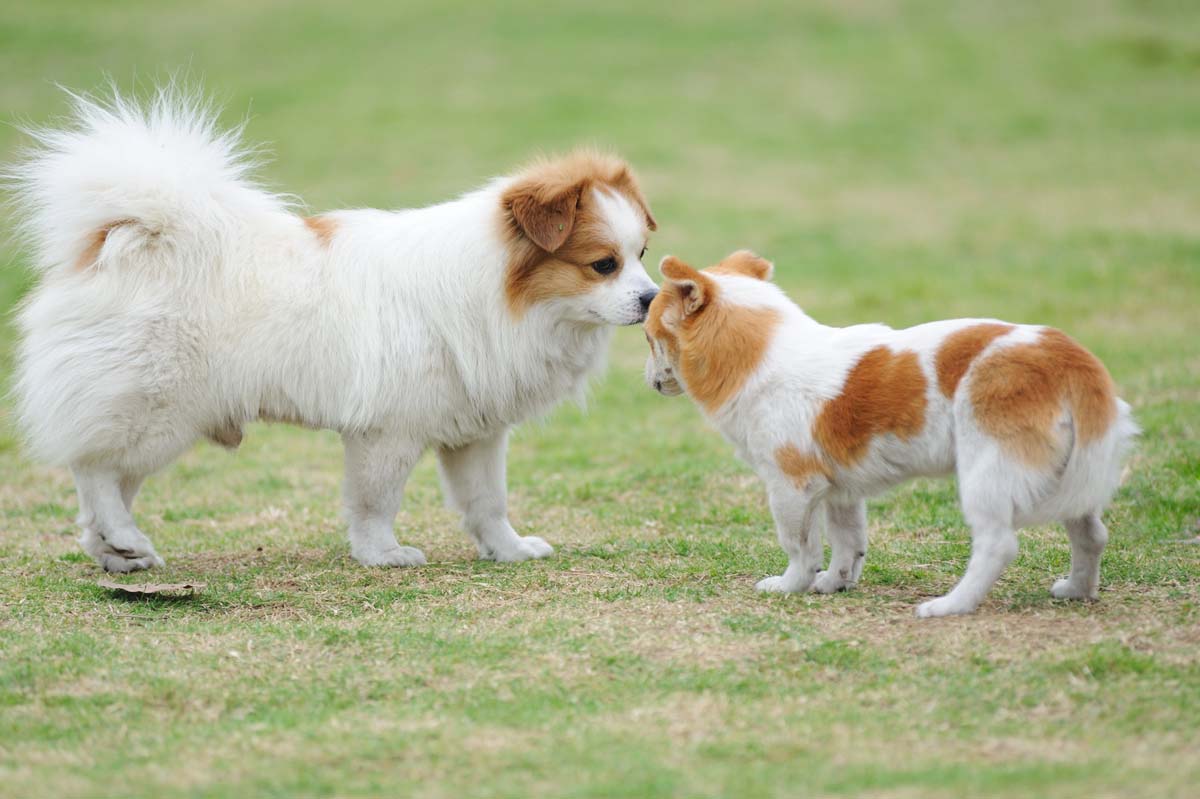
Healthy play looks like:
- Loose, wiggly movement
- Play bows
- Taking turns chasing
Warning signs include:
- Stiff posture
- Raised hackles
- Intense staring
- Growling or snapping
If something feels off, trust that instinct and step in early.
What Counts as Rough Play—and When to Step In
Not all rough play is bad—but it should always be balanced.
Step in if:
- One dog is constantly overpowering another
- A dog is trying to escape or hide
- Play escalates in intensity too quickly
A quick interruption can prevent a much bigger issue.
Should You Bring Toys or Treats to the Dog Park?
This is where things can get tricky.
Toys, balls, and treats can:
- Trigger competition between dogs
- Lead to guarding behavior
- Create tension between unfamiliar dogs
In many dog parks, it’s safer to skip them—especially during busy times.
Why Off-Peak Hours Are a Game-Changer
If your dog is new, young, or still building confidence, timing matters.
Visiting during off-peak hours means:
- Fewer dogs
- Less chaos
- More controlled interactions
This creates a much better environment for positive experiences—especially for a new dog or pup.
Should You Use Separate Areas for Small and Large Dogs?
Yes—these areas exist for a reason.
Size differences can impact:
- Play style
- Safety
- Confidence levels

Small dogs may feel intimidated by a large dog, while large dogs may unintentionally play too roughly.
Using designated areas helps everyone stay safer.
What About Kids at the Dog Park?
Dog parks are designed for dogs—not children.
A small child may:
- Misread dog body language
- Interrupt play
- Get knocked over during rough play
If children are present, they should always be closely supervised and taught how to stay calm and respectful around dogs.
Why Training Matters Before Socialization
Here’s where everything comes together.
Many dog owners assume dog parks are where dogs learn social skills—but in reality, training comes first. Socialization comes second.
At Desert Sky K9, training focuses on:
- Recall
- Impulse control
- Calm behavior around distractions
Programs like our Desert Sky K9’s Board and Train Bootcamp help dogs build these skills in a structured, distraction-managed environment.
That way, when your dog enters a dog park, they’re prepared—not overwhelmed.
How Desert Sky K9 Helps Dogs Succeed in Dog Parks
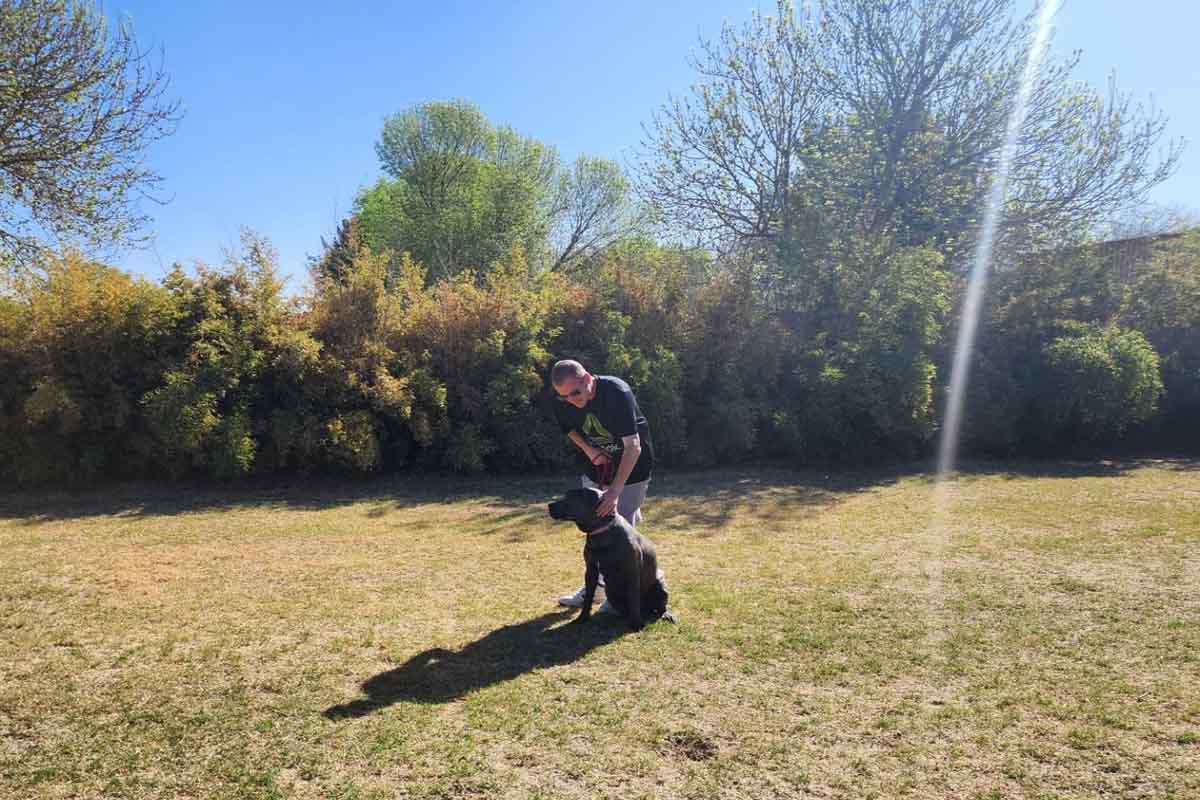
Desert Sky K9’s programs are designed for real-world success—not just controlled training sessions.
Using positive reinforcement methods, dogs learn to respond to commands, stay engaged with their owners, and make better choices even in high-distraction environments like dog parks. This approach builds trust and confidence, rather than fear or avoidance. If you’re curious how this training style creates lasting results, learn more about Why Positive Reinforcement Dog Training Really Works.
Through our:
Dogs learn how to:
- Stay calm around other dogs
- Respond to commands reliably
- Navigate distractions with confidence
The result? A dog that’s easier to handle, safer around others, and far more enjoyable to take anywhere—including the dog park.
Dog Parks in Phoenix and Nearby Areas
If you’re looking to explore dog parks around the Valley, there are plenty of options across Phoenix and surrounding cities. Each park can offer a slightly different experience—some have separate areas for small dogs, shaded seating, or fewer dogs during certain times of day.
You can start your search here:
If you’re open to exploring beyond your immediate area, checking different parks—and visiting during off-peak hours—can help you find a better fit for your dog’s personality and comfort level.
Looking for an Alternative to the Dog Park?
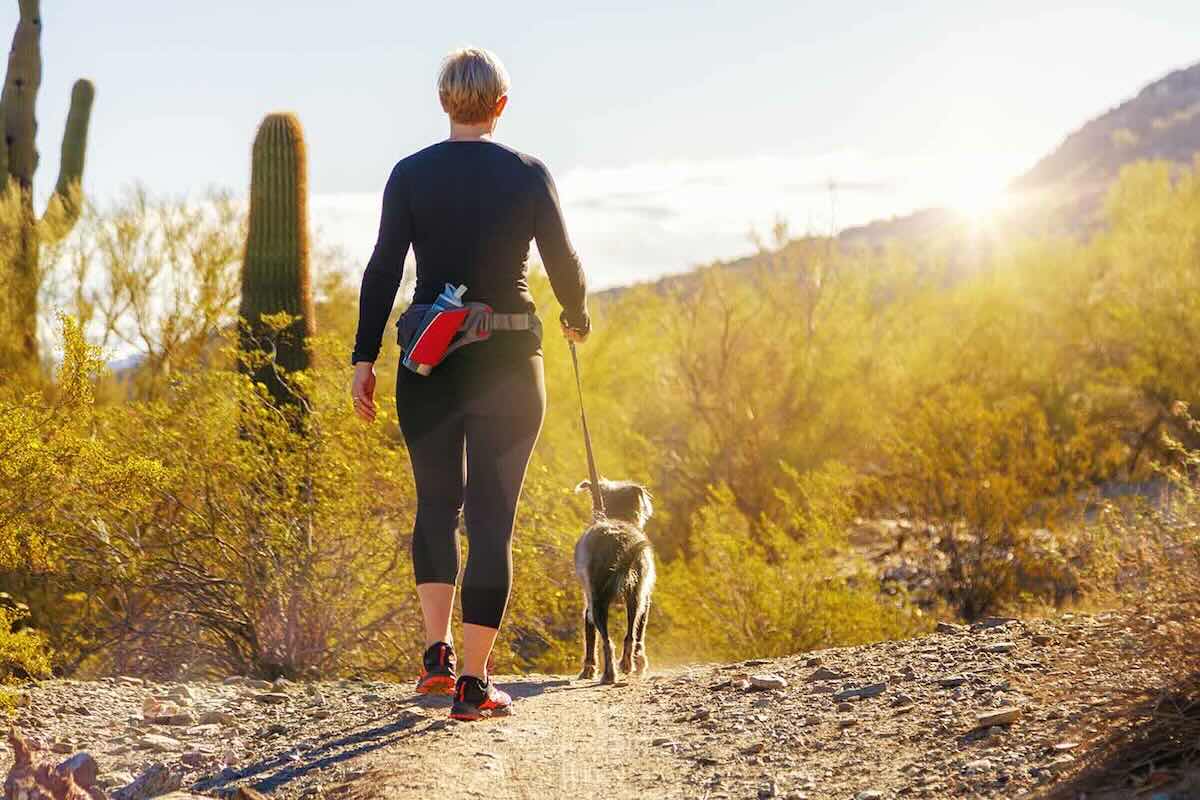
Not every great dog day has to happen at the dog park. For many dogs, a calm hike is actually more enjoyable than navigating a crowd of unfamiliar pups. A well-planned walk allows you to stay engaged with your dog, reinforce training, and avoid the unpredictability that can come with many dogs in one space.
If you’re exploring options, this guide on Hiking With Dogs in Phoenix: Trail Etiquette and Training Tips Every Dog Should Know shares helpful tips on trail etiquette, safety, and how to make the most of your time outdoors with your dog.
Key Takeaways: Dog Park Etiquette Made Simple
- Dog parks test social skills—they don’t teach them
- Not all dogs are a good fit for dog parks
- Always stay engaged and pay attention
- Learn to read dog body language
- Step in early when play becomes unbalanced
- Training creates safer, more positive experiences
Final Thoughts: A Better Dog Park Experience Starts With Training
Dog parks can be an amazing outlet for exercise, play, and fun—but only when dogs are truly ready for that environment.
When your dog has the right training, everything changes:
- Better behavior
- Safer interactions
- More enjoyable outings
If you want to feel confident bringing your dog to the park—and actually enjoy it—Desert Sky K9 can help you get there.
Schedule your free, no-obligation consultation
Frequently Asked Questions About Dog Park Etiquette
Yes, once fully vaccinated—but start slow and choose quieter times with fewer dogs.
Call your dog away immediately and create distance. Don’t wait for things to escalate.
Short, positive visits are best—especially for new dogs.
It helps, but dogs also need structured walks, training, and mental stimulation.