Rawhide bones have been a favorite dog chew for generations. They’re inexpensive, long-lasting, and many dogs love them. But despite their popularity, more and more veterinarians and professional dog trainers are questioning whether they’re actually safe.
At Desert Sky K9, we believe your dog’s safety should always come first. While some dogs chew rawhide without immediate problems, these chews can pose serious risks, including choking, intestinal blockages, digestive issues, bacterial contamination, and exposure to chemicals used during processing.
The good news? There are plenty of safer alternatives that satisfy your dog’s natural urge to chew while supporting their health and well-being.
In this guide, we’ll explain what rawhide is, why it can be dangerous, and what to choose instead to keep your furry friend happy, healthy, and safe.
At a Glance
- Rawhide is made from the inner layer of cow or horse hides.
- Rawhide is difficult for many dogs to digest.
- Large pieces can become a choking hazard or cause intestinal blockages.
- Some rawhide chews have been recalled due to Salmonella contamination.
- Processing methods may involve chemicals used to clean or preserve the hides.
- Puppies, aggressive chewers, and dogs that gulp treats are at the greatest risk.
- There are many safer chew options that provide mental stimulation and support your dog’s oral health.
Are Rawhide Bones Bad for Dogs? (Quick Answer)
Yes. While many dogs chew rawhide without immediate problems, many veterinarians and professional trainers discourage rawhide because it can create choking hazards, intestinal blockages, digestive problems, and other health risks.
Rawhide is difficult for many dogs to digest, and large pieces can become lodged in the throat or digestive tract. The American Kennel Club notes that foreign objects and materials that become lodged in a dog’s gastrointestinal tract can cause partial or complete bowel obstructions requiring prompt veterinary care.
Fortunately, there are safer alternatives—including bully sticks, Veterinary Oral Health Council (VOHC)-approved dental chews, vegetable-based chews, and enrichment toys—that can satisfy your dog’s natural chewing instincts with fewer risks.
Why Dogs Love to Chew
Chewing is a natural behavior for dogs—not a bad habit. The American Kennel Club (AKC) explains that dogs of all ages chew for reasons such as teething, boredom, and exploration, and because chewing is a normal canine behavior. Rather than trying to stop chewing altogether, the goal is to teach dogs what’s appropriate to chew by providing safe chew options, mental stimulation, and positive reinforcement.
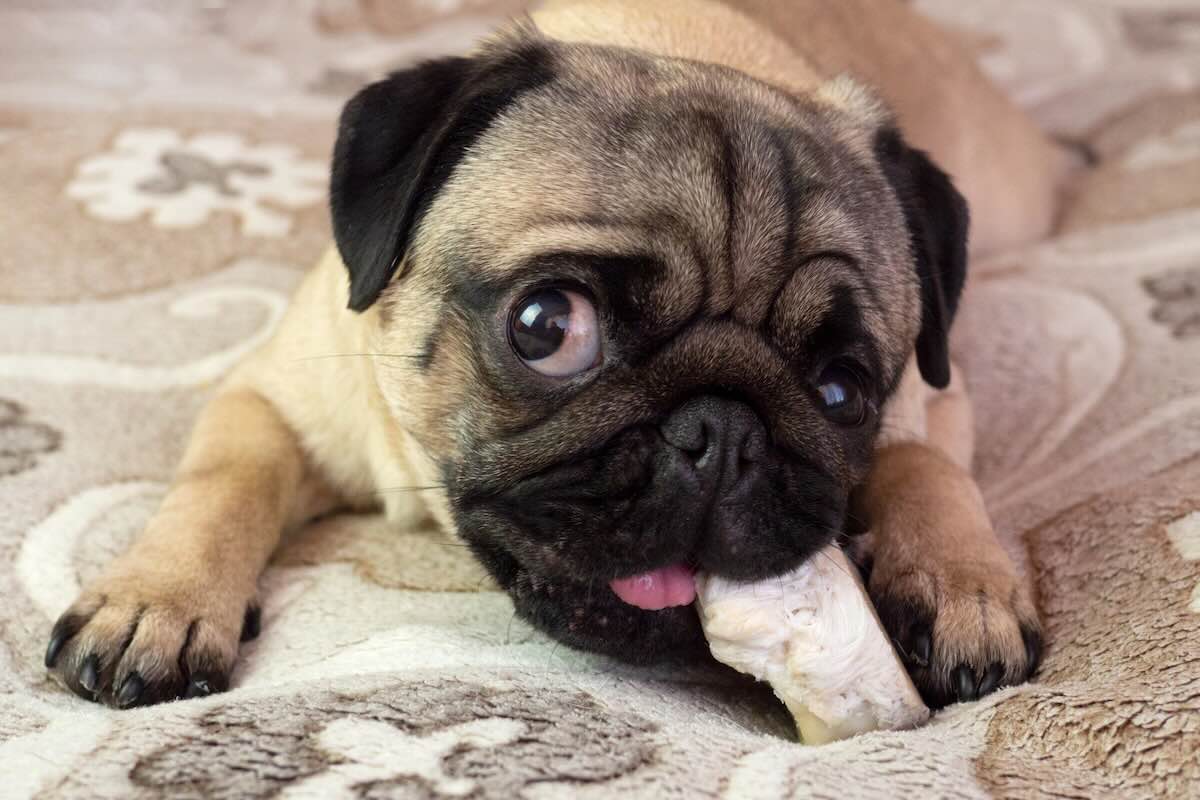
At Desert Sky K9, we use positive reinforcement to teach dogs what they’re allowed to chew, helping prevent destructive chewing while encouraging healthy habits that last a lifetime.
What Rawhide Is Made Of
Despite its name, rawhide isn’t made from meat.
Traditional rawhide dog chews are made from the inner layer of cow or horse hides. After the outer layer is removed for leather production, the remaining fibrous inner layer is cleaned, shaped into bones, rolls, or twists, and dried.
Because rawhide is made primarily from tough collagen fibers rather than muscle meat, it is much more difficult for a dog’s digestive system to break down than many edible chews.
How Rawhide Is Processed
Rawhide undergoes several processing steps before it reaches pet store shelves.
Depending on the manufacturer, hides may be cleaned, preserved, bleached, flavored, colored, and shaped into different chew products.
While processing methods vary, one thing remains the same: rawhide is not easily digested. That’s why many veterinarians recommend choosing more digestible chew options whenever possible.
Why Are Rawhide Bones Bad for Dogs? 5 Important Risks
Although many dogs chew rawhide without immediate problems, every chew carries some level of risk. Here are five reasons many veterinarians and professional trainers recommend choosing safer alternatives.
1. Rawhide Can Become a Choking Hazard
As dogs chew, rawhide softens and can break into large pieces. Dogs that gulp treats or chew aggressively may swallow these chunks before they’re fully broken down, creating a choking hazard.
Even if the piece reaches the stomach, it can still cause problems farther along the digestive tract. Puppies, aggressive chewers, and dogs that gulp their treats are especially at risk.
2. Rawhide Can Cause Intestinal Blockages
Rawhide doesn’t dissolve the way many edible chews do. Instead, large pieces can remain intact as they move through the digestive system. If a piece becomes lodged in the stomach or intestines, it can cause a gastrointestinal obstruction—a serious veterinary emergency. According to the American College of Veterinary Surgeons (ACVS), gastrointestinal foreign bodies that become lodged in the digestive tract may require endoscopic retrieval or surgical removal.
While not every dog that swallows rawhide will develop a blockage, the consequences can be severe when it happens.
3. Rawhide Is Difficult to Digest
Many pet owners assume rawhide is fully digestible because it’s sold as a dog treat. In reality, it breaks down very slowly in a dog’s digestive system.
Some dogs may pass small pieces without difficulty, but others may experience vomiting, diarrhea, constipation, or stomach discomfort after swallowing larger chunks.
Dogs with sensitive stomachs or existing digestive issues may be more likely to develop digestive irritation.
4. Rawhide Chews May Harbor Harmful Bacteria
Like other animal-based pet products, some rawhide chews have been recalled due to Salmonella contamination.
Salmonella can affect both dogs and the people handling the chews. The U.S. Food and Drug Administration (FDA) advises pet owners to wash their hands after handling pet treats and chews and to follow recall notices if a product is found to be contaminated.
5. Some Rawhide Products May Contain Chemical Residues
During processing, some rawhide products may be treated with substances used to clean, preserve, bleach, color, or flavor the hides.
Although reputable manufacturers follow quality-control standards, processing methods vary, and it’s often difficult for pet owners to know exactly how a product was manufactured.
For many veterinarians and trainers, this is another reason to recommend simpler, more digestible chews made with fewer processed ingredients.
Which Dogs Are Most at Risk?
Although any dog can experience problems with rawhide, some are more likely to develop complications.
Dogs at the greatest risk include:
- Puppies, who are still learning appropriate chewing habits and may swallow large pieces.
- Aggressive chewers, who can quickly tear off chunks of rawhide.
- Dogs that gulp treats instead of chewing them thoroughly.
- Small breeds, whose narrower digestive tracts increase the risk of an obstruction.
- Dogs with sensitive stomachs or a history of digestive issues.
- Senior dogs, who may have slower digestion or underlying health conditions.
If your dog falls into one of these categories, it’s safest to choose a more digestible chew designed for their age, size, and chewing style.
Signs Your Dog May Have Swallowed Too Much Rawhide
If you think your dog swallowed a large piece of rawhide, watch them closely for signs of trouble.
Contact your veterinarian right away if your dog develops:
- Gagging or choking
- Excessive drooling
- Difficulty swallowing
- Vomiting or repeated attempts to vomit
- Loss of appetite
- Abdominal pain or bloating
- Lethargy
- Constipation or diarrhea
- Restlessness or signs of discomfort
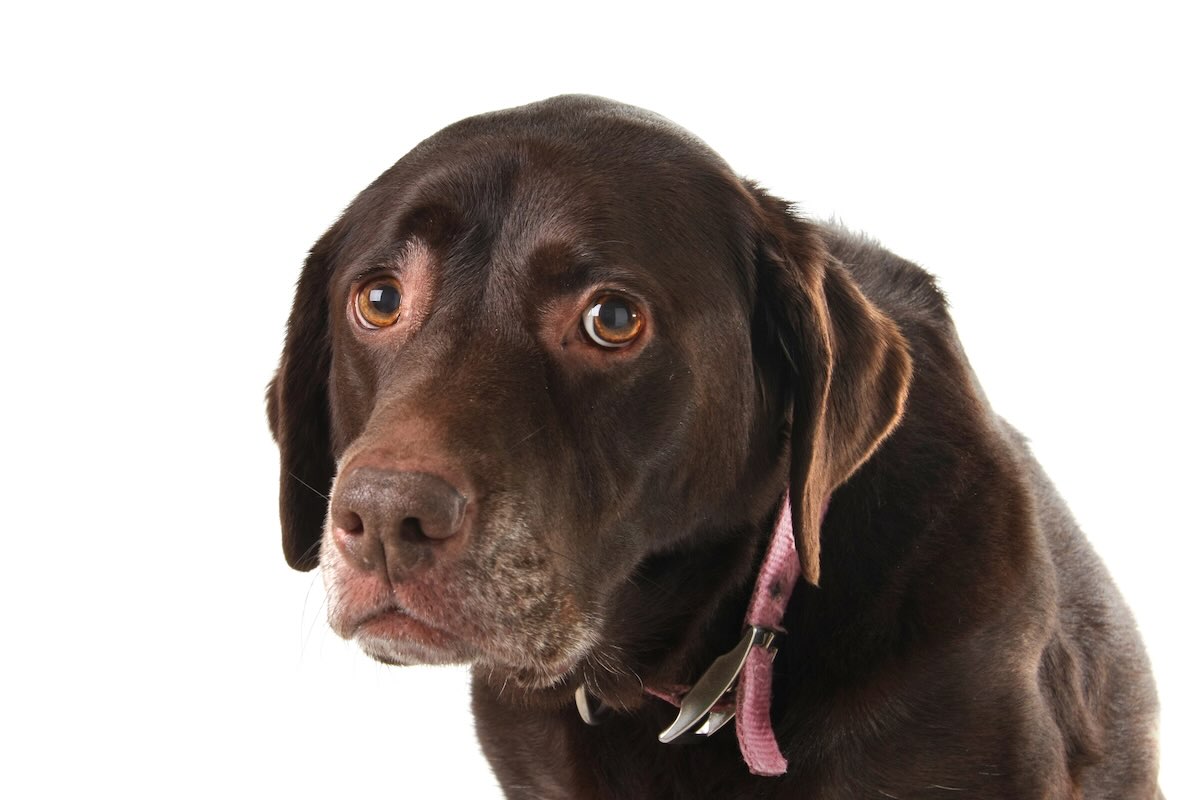
These symptoms could indicate a blockage or another medical emergency that requires prompt veterinary care.
What Should You Do If Your Dog Swallows Rawhide?
If your dog swallows a large piece of rawhide or begins choking, vomiting, gagging, or showing signs of discomfort, contact your veterinarian immediately.
Do not induce vomiting unless your veterinarian specifically instructs you to do so, and don’t assume the rawhide will simply pass on its own.
When it comes to intestinal blockages, early treatment can make a significant difference. If you’re ever unsure, it’s always better to call your veterinarian for advice.
What Are the Best Alternatives to Rawhide?
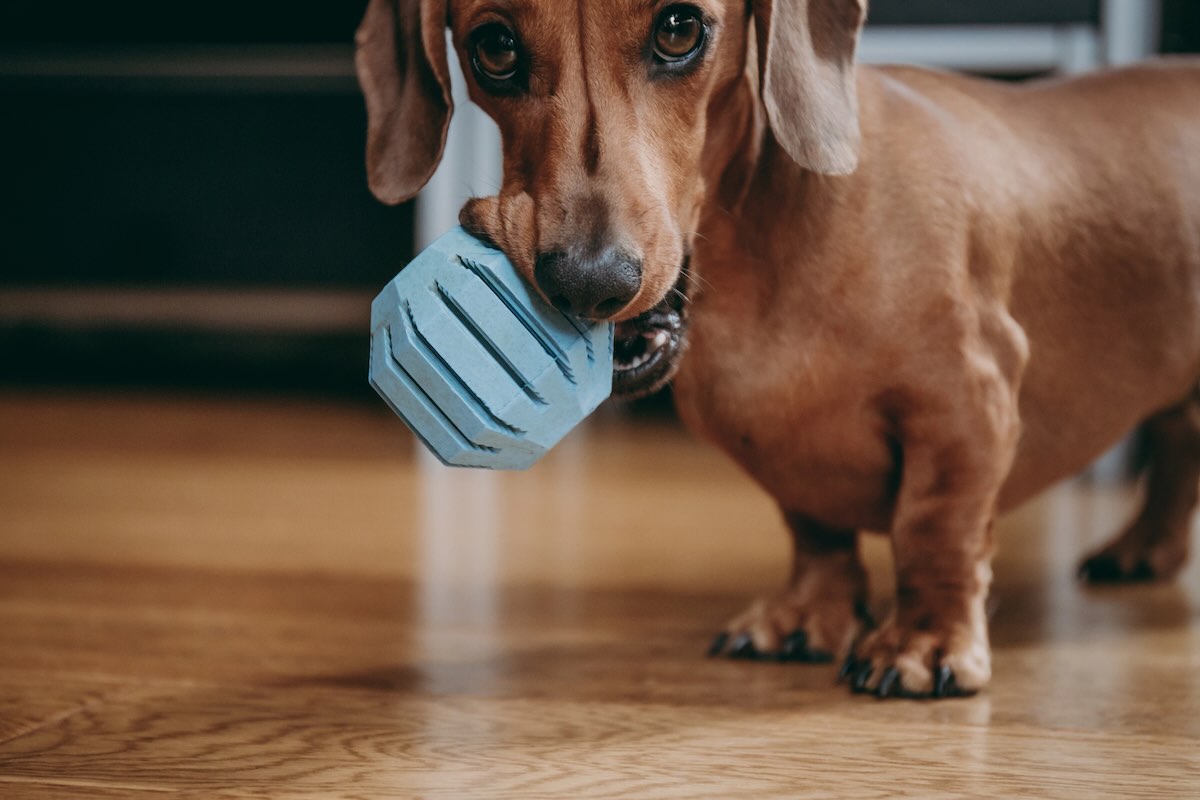
If you’re looking for an alternative to rawhide, there are several options that are generally considered safer and more digestible. Remember, however, that no chew is completely risk-free. Always choose a chew that’s appropriate for your dog’s size and chewing style, supervise your dog while they chew, and replace or remove products that become damaged or small enough to swallow.
| Chew Type | Easily Digestible | Choking Risk | Supports Dental Health | Desert Sky K9 Recommendation |
| Rawhide Bones | ❌ No | High | Limited | ❌ Not Recommended |
| Bully Sticks | ✔ Mostly | Moderate* | ✔ Yes | ⭐ Better Choice |
| Vegetable-Based Dental Chews | ✔ Yes | Low | ✔ Excellent | ⭐ Recommended |
| VOHC-Approved Dental Chews | ✔ Yes | Low | ✔ Proven to reduce plaque and tartar | ⭐ Highly Recommended |
| Rubber Enrichment Toys | N/A | Very Low** | Helps satisfy chewing instincts | ⭐ Excellent |
| Durable Nylon Chew Toys | N/A | Low** | Limited | ✔ Use with caution |
| Frozen Stuffed KONG® Toys | N/A | Very Low** | Mental enrichment | ⭐ Excellent |
* Remove bully sticks once they become small enough to swallow.
** Always supervise your dog. Even durable toys can become hazardous if they become damaged, are the wrong size, or if your dog breaks off pieces. Very hard chew toys may also increase the risk of fractured teeth in some dogs.
Bully Sticks
Bully sticks are generally more digestible than rawhide and provide long-lasting chewing satisfaction. As with any edible chew, supervise your dog and remove the last small piece to reduce the risk of choking.
Vegetable-Based Dental Chews
Vegetable-based dental chews are designed to be fully digestible while satisfying your dog’s urge to chew. Many also help reduce plaque and tartar buildup, making them a great choice for supporting oral health.
VOHC-Approved Dental Chews
Look for products carrying the Veterinary Oral Health Council (VOHC) Seal of Acceptance. Products that earn the VOHC Seal have met established standards for helping reduce plaque and/or tartar in dogs when used as directed.
Rubber Enrichment Toys
Durable rubber toys, such as food-stuffable KONG® toys, provide mental stimulation and satisfy natural chewing instincts without being consumed. Always inspect them regularly for damage and choose a size that’s appropriate for your dog to reduce the risk of swallowing pieces.
Durable Nylon Chew Toys
Some dogs enjoy durable nylon chew toys, but they should be used with caution. Extremely hard chews can increase the risk of tooth fractures in powerful chewers. Choose an appropriately sized toy, inspect it regularly for wear, and replace it if it becomes damaged or develops sharp edges.
Frozen Enrichment Toys
Stuff a KONG® or similar enrichment toy with your dog’s regular food or other dog-safe ingredients and freeze it for a longer-lasting activity. Frozen enrichment toys provide mental stimulation, help relieve boredom, and encourage calm, independent behavior. As with any toy, supervise your dog and replace it if it becomes damaged.
How to Choose a Safe Chew
Choosing the right chew isn’t just about what it’s made from—it’s also about your individual dog. Before giving your dog any new chew or chew toy, ask yourself these questions:
✔ Is it the right size? It should be too large to swallow whole.
✔ Does it match my dog’s chewing style? Aggressive chewers may need different options than gentle chewers.
✔ Is it appropriate for my dog’s age? Puppies, adults, and senior dogs have different chewing needs.
✔ Is it made from high-quality, digestible ingredients? If you’re choosing an edible chew, simpler ingredients are generally easier to digest.
✔ Will I be able to supervise my dog? Never leave your dog unattended with any chew or chew toy.
✔ Is it still in good condition? Replace toys that become damaged, cracked, or develop sharp edges.
By taking a few moments to choose the right chew and supervising your dog while they enjoy it, you can help make chewing a safe, healthy, and enriching part of their daily routine.
How Desert Sky K9 Helps Dogs Develop Healthy Chewing Habits
Chewing is a normal part of being a dog—but chewing the right things is a learned behavior.
At Desert Sky K9, we use positive reinforcement to teach dogs appropriate chewing habits while helping prevent destructive behaviors at home. Rather than punishing natural instincts, we redirect them toward safe, rewarding alternatives.

Our customized training programs help dogs learn important skills like “Leave It,” impulse control, and making good choices around everyday distractions. We also show pet parents how to provide enrichment, establish consistent routines, and encourage calm, confident behavior.
Whether you’re raising a teething puppy or working with an adult dog that chews furniture, shoes, or other household items, we’re here to help you build lifelong habits through trust, communication, and positive reinforcement.
Key Takeaways
- Rawhide is difficult for many dogs to digest.
- Large pieces can become choking hazards or intestinal blockages.
- Puppies and aggressive chewers face the greatest risk.
- There are several safer alternatives, including VOHC-approved dental chews and enrichment toys.
- Always supervise your dog, regardless of the chew you choose.
Give Your Dog Something Better to Chew On
Rawhide bones may be popular, but they’re not always the safest choice. By choosing more digestible chews, enrichment toys, and veterinarian-recommended dental products, you can help satisfy your dog’s natural urge to chew while reducing unnecessary risks.
At Desert Sky K9, we’re passionate about helping dogs and their families build healthy habits through positive reinforcement and real-world training. Whether you have a teething puppy, a destructive chewer, or a dog that needs help with obedience or behavior, our experienced trainers are here to help.
Contact Desert Sky K9 today to schedule your complimentary meet-and-greet and learn how our customized training programs can help your dog become a calmer, happier, and more confident companion.
Frequently Asked Questions
Not every dog will have problems with rawhide, but because the risks can be serious and unpredictable, many veterinarians and professional trainers recommend safer alternatives.
Rawhide breaks down very slowly and is only partially digestible. Large pieces are more likely to cause digestive problems or intestinal blockages.
Generally, no. Puppies are more likely to swallow large pieces and benefit from safer chew toys and puppy-appropriate edible chews instead.
Some dogs pass small pieces without difficulty, but others may develop choking, vomiting, digestive irritation, or an intestinal blockage. Contact your veterinarian if your dog shows any signs of illness or distress.
Many veterinarians recommend options such as bully sticks, vegetable-based dental chews, VOHC-approved dental chews, rubber enrichment toys, frozen stuffed KONG® toys, and other appropriately sized chew toys.
Some do. Dental chews carrying the VOHC Seal of Acceptance have been shown to help reduce plaque and tartar when used as directed and can be part of a good oral health routine.
Last Updated: August 2026