
If you live in Phoenix, chances are your dog spends plenty of time exploring the backyard, neighborhood sidewalks, hiking trails, dog-friendly parks, and outdoor patios. Dogs experience the world through their noses and mouths, which means they often investigate plants by sniffing, chewing, or even eating them.
While many plants found throughout Arizona are harmless, several common landscape plants are highly toxic to dogs. Some can cause mild stomach upset, while others may lead to severe liver damage, heart problems, seizures, organ failure, or even death.
Knowing which poisonous plants for dogs in Phoenix to avoid can help keep your furry friend safe and prevent an emergency trip to the veterinarian.
Information Sources
This article was researched and reviewed for accuracy using information from the ASPCA Animal Poison Control Center, Pet Poison Helpline, the Arizona Native Plant Society, and other veterinary toxicology references. It is intended for educational purposes and should not replace advice from your veterinarian. If you believe your dog has ingested a poisonous plant, contact your veterinarian or an emergency animal hospital immediately.
Last Updated July 2026
What Are the Most Poisonous Plants for Dogs in Phoenix?
Some of the most poisonous plants for dogs in Phoenix-area yards, neighborhoods, and desert landscapes include Oleander, Sago Palm, Desert Rose, Castor Bean, Lantana, Chinaberry Tree, Aloe Vera, and Euphorbia plants such as Pencil Cactus.
Among these, Oleander, Sago Palm, Desert Rose, and Castor Bean pose the greatest risk because they can affect the heart, liver, nervous system, or multiple organs. Even chewing a small amount of certain plants can cause serious illness.
The table below summarizes some of the poisonous plants most commonly encountered by dogs in Phoenix-area neighborhoods, parks, patios, and desert landscapes. While not every toxic plant in Arizona is listed here, these are among the most important for local dog owners to recognize.
| Plant | Where You May Encounter It | Main Concern | Common Signs | Urgency |
| Oleander | Neighborhood hedges, road medians, parks, shopping centers | Cardiac glycosides affecting the heart | Vomiting, drooling, weakness, irregular heartbeat | 🚨 Emergency – Contact a vet immediately |
| Sago Palm | Desert landscaping, front yards, patios, decorative containers | Severe liver damage (cycasin toxin) | Vomiting, diarrhea, weakness, tremors, seizures | 🚨 Emergency – Contact a vet immediately |
| Desert Rose | Patio containers, ornamental gardens | Cardiac toxins | Vomiting, drooling, weakness, irregular heartbeat | 🚨 Emergency – Contact a vet immediately |
| Castor Bean | Ornamental gardens, vacant lots, volunteer plants | Ricin toxin causing organ damage | Severe vomiting, bloody diarrhea, weakness | 🚨 Emergency – Contact a vet immediately |
| Chinaberry Tree | Neighborhoods, parks, older landscapes | Nervous system and gastrointestinal toxins | Vomiting, diarrhea, drooling, tremors | 🚨 Emergency – Contact a vet immediately |
| Lantana | HOA landscaping, flowering shrubs, residential gardens | Gastrointestinal upset and potential liver damage | Vomiting, diarrhea, weakness | 📞 Call your veterinarian promptly |
| Aloe Vera | Patio pots, xeriscape gardens, containers | Digestive irritation | Vomiting, diarrhea, lethargy | 📞 Call your veterinarian |
| Pencil Cactus (Euphorbia) | Desert landscaping, succulent gardens | Irritating milky sap | Mouth pain, drooling, vomiting | 📞 Call your veterinarian |
If your dog eats any unknown plant—or you suspect they may have—don’t wait for symptoms to appear. Move your dog away from the plant, take a clear photo of it if you can do so safely, and contact your veterinarian or a pet poison helpline immediately.
Emergency Steps: What to Do If Your Dog Eats a Toxic Plant
If you believe your dog has ingested a poisonous plant:
- Remove your dog from the area and prevent further chewing.
- Take a clear photo of the plant if you can do so safely.
- Contact your veterinarian or the nearest emergency veterinary hospital immediately.
- You can also contact the ASPCA Animal Poison Control Center (888-426-4435) or Pet Poison Helpline (855-764-7661) for expert guidance.
- Do not induce vomiting or attempt home remedies unless specifically instructed by a veterinarian or poison expert. Both the ASPCA and Pet Poison Helpline advise against inducing vomiting without professional guidance because it can sometimes make the situation worse.
The sooner treatment begins, the better the chances of a successful recovery.
At a Glance
- Several plants commonly found in Phoenix landscapes are poisonous to dogs.
- Some plants are mildly toxic, while others are extremely toxic and potentially lethal.
- Symptoms of poisoning can include vomiting, diarrhea, drooling, lethargy, tremors, weakness, and seizures.
- Oleander, Sago Palm, Desert Rose, and Castor Bean are among the most dangerous plants for dogs.
- Immediate veterinary care is recommended if your dog ingests a toxic plant.
- Contact a pet poison helpline if you suspect plant poisoning.
- Prevention starts with identifying dangerous plants around your home and community.
- Information in this guide is based on guidance from the ASPCA Animal Poison Control Center, Pet Poison Helpline, and Arizona Native Plant Society.
Why Dogs Eat Plants
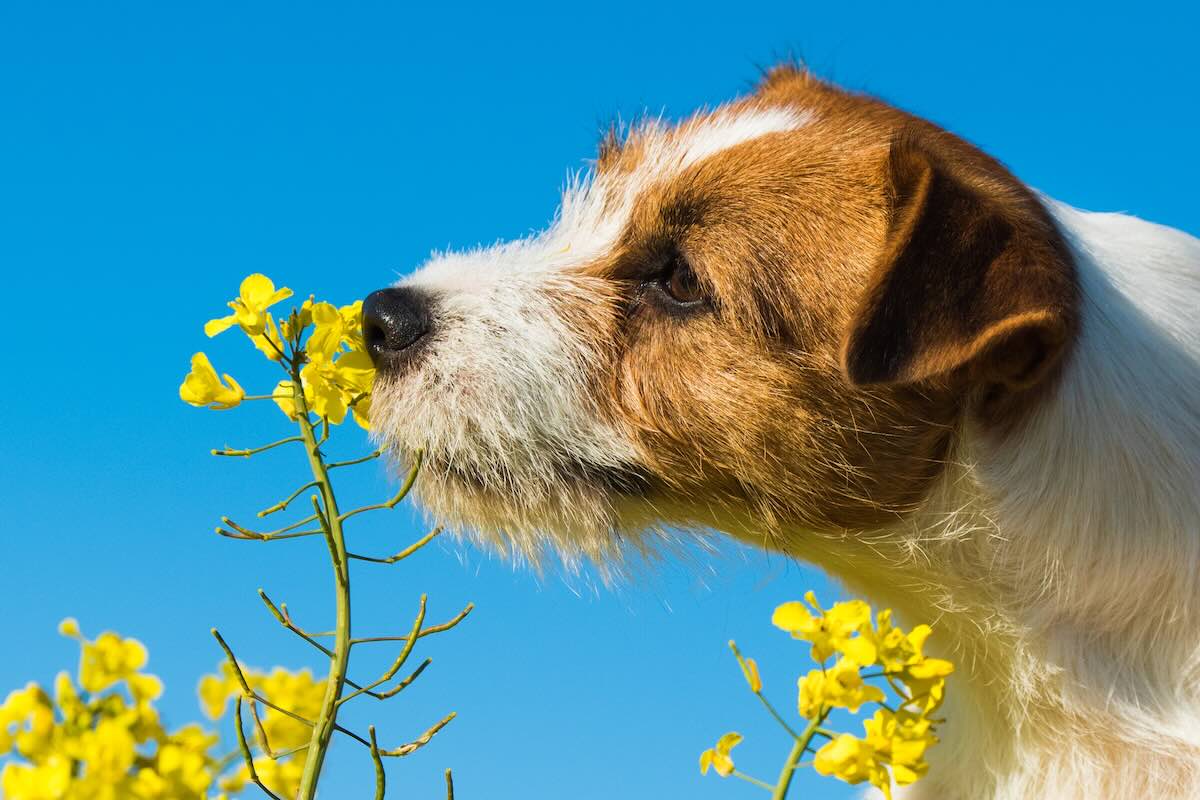
Many dogs chew on plants out of curiosity. Puppies especially love exploring new textures and scents. Some dogs may chew leaves, flowers, bark, or stems simply because they are bored or interested in their surroundings.
Unfortunately, dogs cannot tell the difference between a harmless plant and a toxic one. Even smart dogs can accidentally ingest harmful vegetation during play, walking, or backyard exploration.
That is why Phoenix dog owners should be aware of the poisonous plants commonly found throughout Arizona landscapes.
Oleander: One of the Most Dangerous Plants in Phoenix
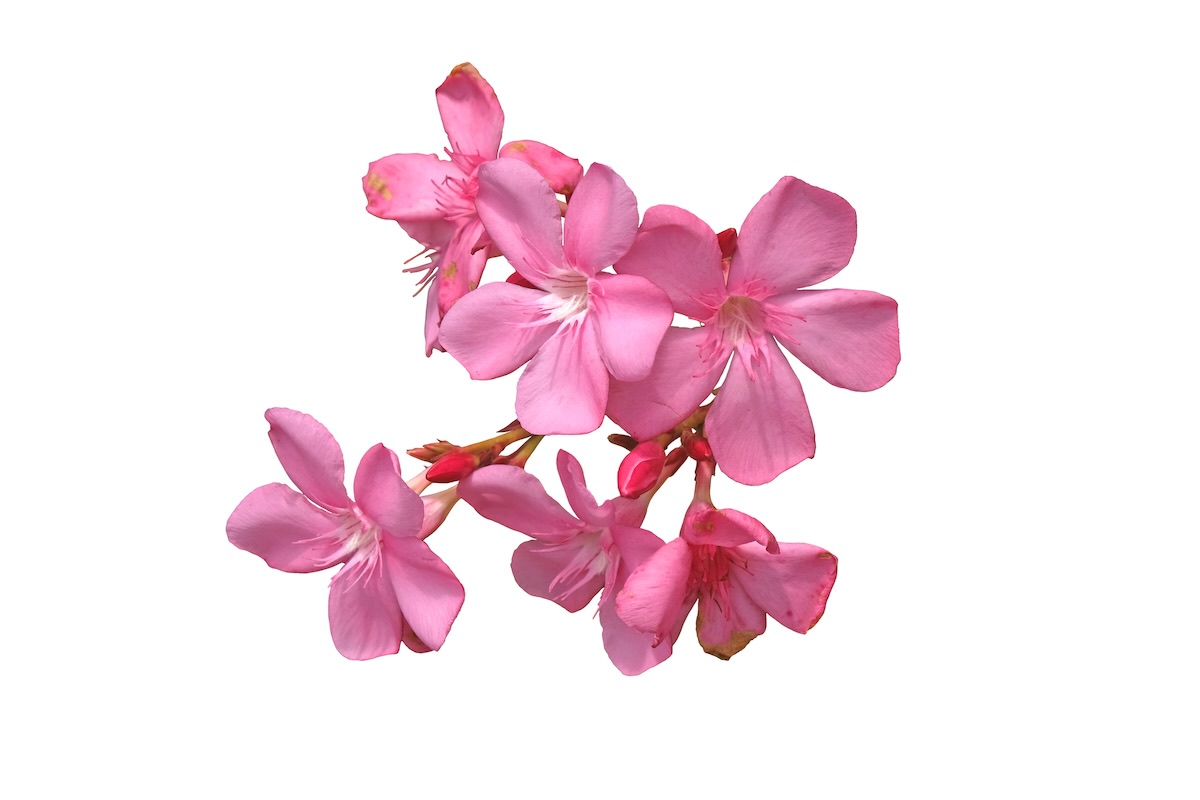
The Arizona Native Plant Society lists Oleander among the toxic ornamental plants commonly used in Arizona landscapes.
Oleander is one of the most common ornamental plants found throughout Phoenix neighborhoods, shopping centers, parks, and roadways.
Unfortunately, every part of the plant is highly toxic to dogs.
According to the ASPCA Animal Poison Control Center, every part of the Oleander plant contains cardiac glycosides that can interfere with normal heart function. Even small amounts can be dangerous. Ingestion may lead to vomiting, diarrhea, drooling, weakness, abnormal heart rhythms, collapse, tremors, seizures, and even death.
Because oleander is so common throughout Arizona, it is one of the first plants dog owners should learn to identify.
Sago Palm: Beautiful but Extremely Toxic

The Sago Palm is popular in desert landscaping because it thrives in Phoenix’s climate and requires relatively little maintenance.
However, this attractive plant is one of the most dangerous plants for dogs.
Pet Poison Helpline identifies cycasin as the primary toxin in Sago Palm and warns that every part of the plant is poisonous, with the seeds (often called “nuts”) containing the highest concentration. Ingestion can cause severe gastrointestinal distress, nervous system signs, liver failure, and may even be fatal if treatment is delayed.
Symptoms may include:
- Vomiting
- Diarrhea
- Drooling
- Weakness
- Lethargy
- Depression
- Tremors
- Seizures
- Liver failure
Desert Rose or Desert Azalea

Known by several names including Desert Rose, Desert Azalea, Impala Lily, Kudu Lily, and Sabi Star, this flowering succulent may be found in Phoenix-area patio pots, ornamental gardens, and specialty succulent collections.
While beautiful, Desert Rose contains toxins that affect the heart. All parts of Desert Rose contain cardiac glycosides that can interfere with normal heart function if ingested.
Symptoms often include vomiting, drooling, weakness, irregular heartbeat, and potentially life-threatening complications.
Pet owners should be especially cautious if pruning or handling these plants because dogs may investigate fallen leaves, flowers, or sap-covered branches.
Aloe Vera Isn’t as Safe as Many People Think
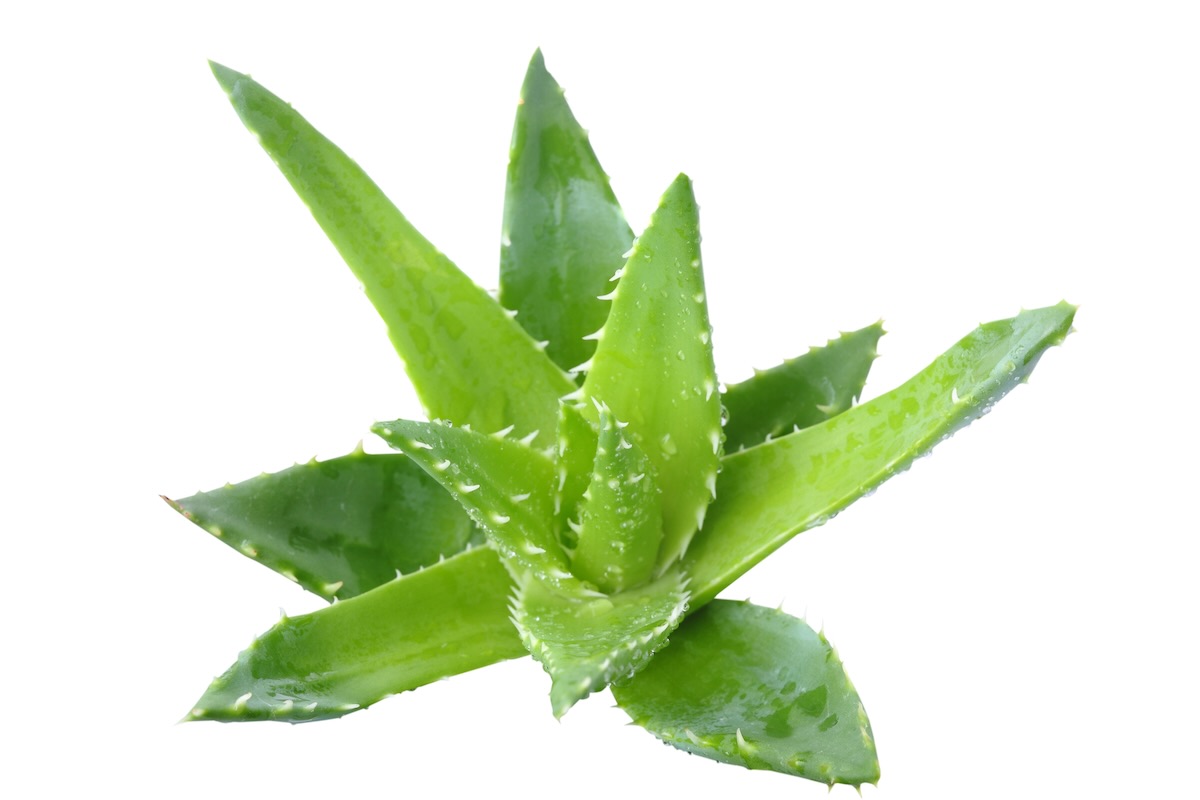
Many people assume Aloe Vera is completely safe because humans commonly use it for minor burns and skin irritation.
The ASPCA Animal Poison Control Center lists Aloe Vera as toxic to both dogs and cats when ingested. While the clear inner gel is commonly used by people, the yellowish latex beneath the outer leaf contains compounds called saponins that can irritate a dog’s digestive system.
If ingested, dogs may experience:
- Vomiting
- Diarrhea
- Lethargy
- Loss of appetite
- Changes in urine color
While Aloe Vera poisoning is usually less severe than Sago Palm or Oleander poisoning, it still warrants a call to your veterinarian.
Lantana Can Cause Serious Liver Damage
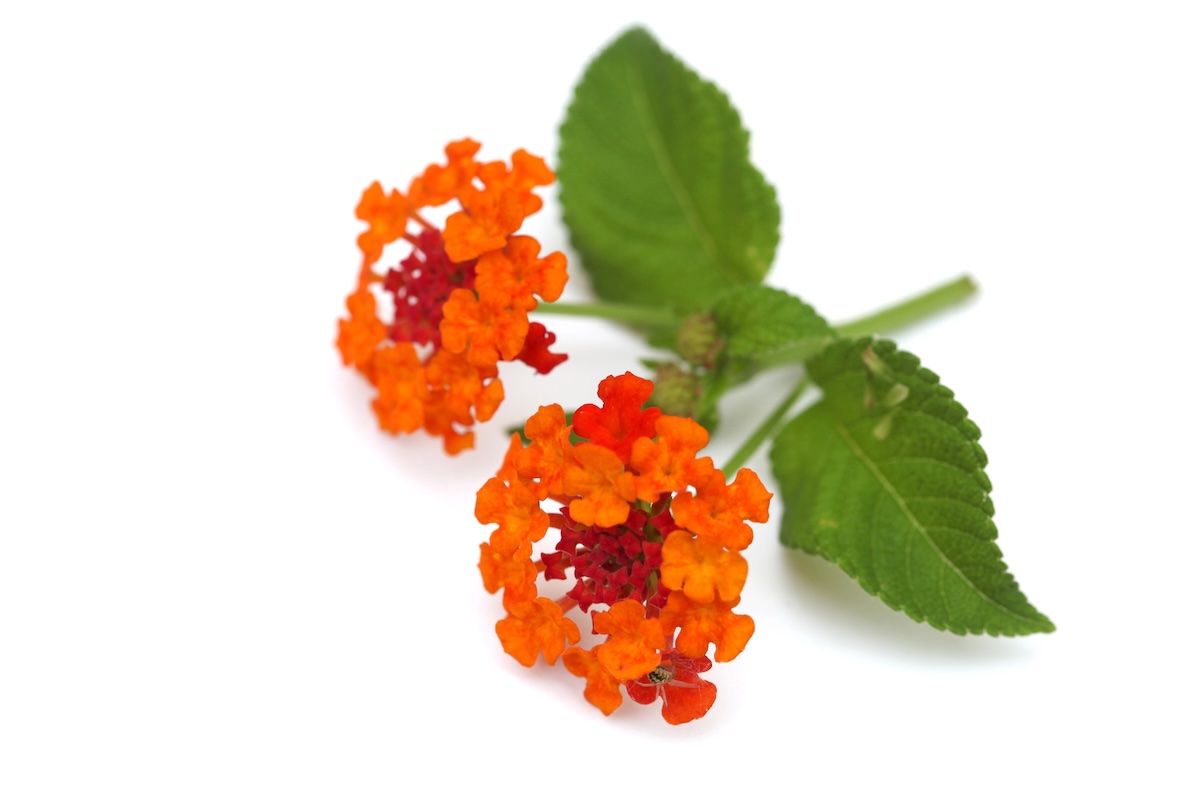
Lantana is another colorful plant frequently used throughout Phoenix landscaping projects.
Although attractive, Lantana can cause gastrointestinal upset and, in more serious cases, may affect the liver if ingested.
The toxins found in Lantana may cause:
- Vomiting
- Diarrhea
- Weakness
- Liver damage
- Increased sensitivity to sunlight
Because the flowers can attract curious dogs, pet owners should monitor interactions closely when walking through neighborhoods and public spaces.
Chinaberry Tree Toxicity
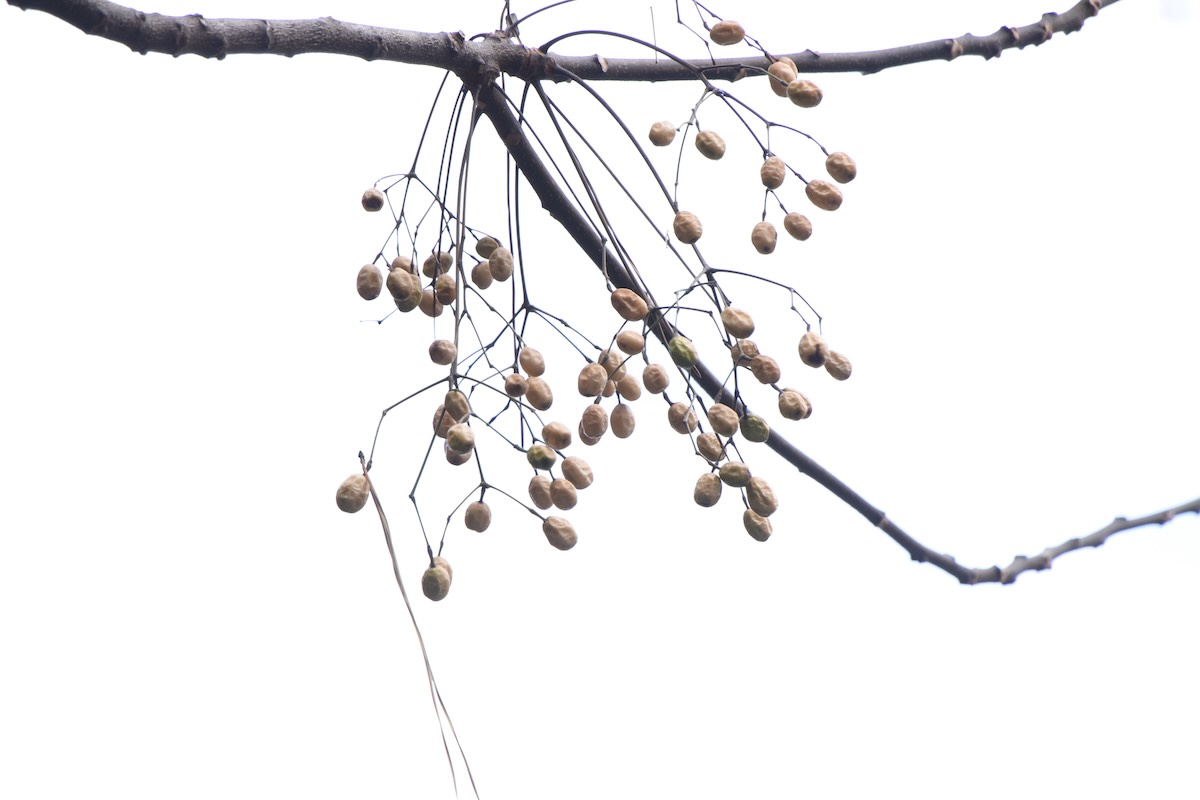
The Chinaberry Tree, also known as Persian Lilac, Bead-Tree, White Cedar, or Pride of India, may be found in some Phoenix-area neighborhoods, parks, and older landscapes and can pose a serious threat to dogs.
The Arizona Native Plant Society also identifies Chinaberry as a toxic tree commonly found in parts of Arizona.
Its berries contain toxins that can produce delayed symptoms, meaning dogs may appear normal initially before becoming ill later.
Signs of poisoning may include:
- Vomiting
- Diarrhea
- Drooling
- Weakness
- Depression
- Tremors
- Seizures
Prompt veterinary attention is important whenever Chinaberry ingestion is suspected.
Castor Bean Plants Are Extremely Dangerous
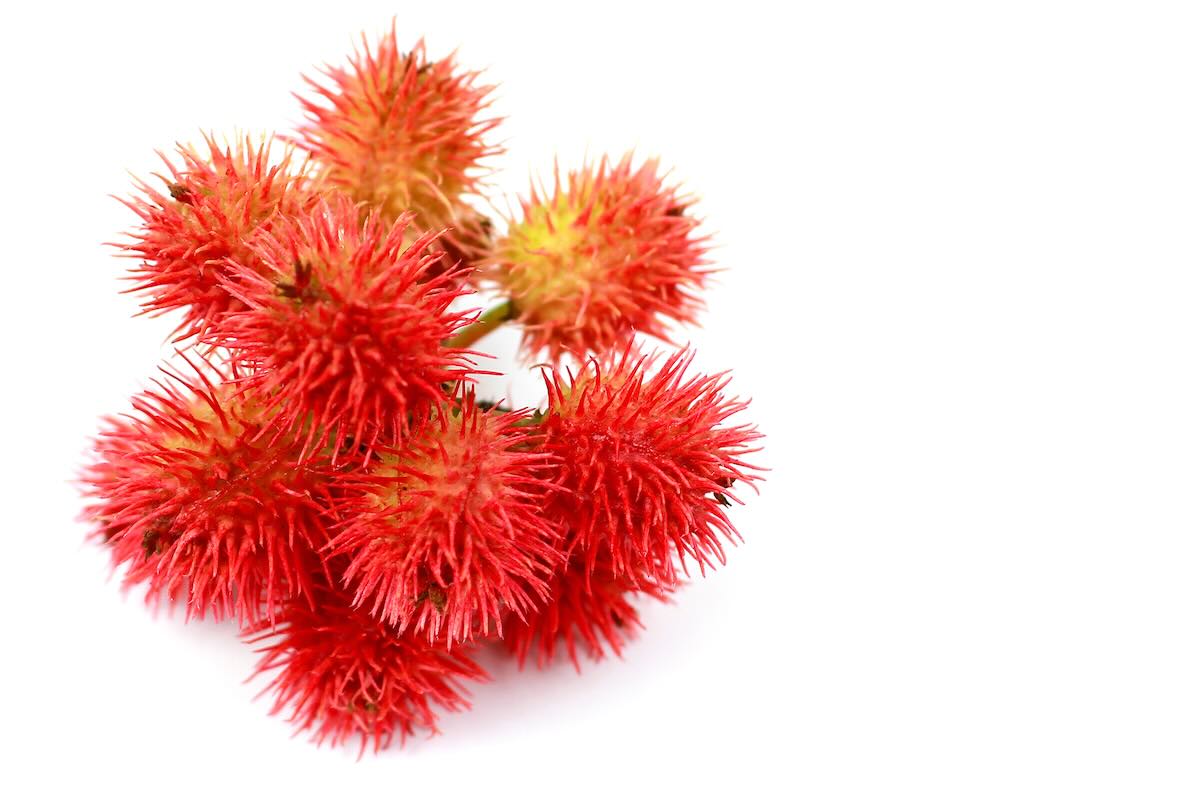
According to Pet Poison Helpline, Castor Bean seeds contain ricin, one of the most potent naturally occurring plant toxins.
Symptoms may include:
- Severe vomiting
- Bloody diarrhea
- Abdominal pain
- Weakness
- Dehydration
- Organ failure
Castor Bean ingestion should always be treated as a medical emergency.
Euphorbias and Pencil Cactus

Many desert plants belong to the Euphorbia family, including the Pencil Cactus.
These plants produce a milky sap that can cause severe mouth irritation and burning sensations.
Dogs that chew these plants may experience:
- Excessive drooling
- Mouth pain
- Pawing at the face
- Vomiting
- Eye irritation if sap enters the eyes
While not always lethal, exposure can be extremely painful and should not be ignored.
Additional Plants That Can Be Harmful to Dogs
While the plants above are among the most common toxic plants found in Phoenix landscapes, dogs may also encounter poisonous ornamental or container plants at homes, businesses, and garden centers.
Lily of the Valley
Although not commonly found in Phoenix desert landscapes, Lily of the Valley may occasionally be grown as an ornamental or container plant. It contains cardiac glycosides that can affect heart function and are highly toxic to dogs if ingested.
Amaryllis
Amaryllis is more commonly found as an indoor or decorative container plant than in desert landscaping. Its bulbs contain toxins that may cause vomiting, drooling, abdominal pain, and diarrhea if chewed or ingested.
Umbrella Tree
The Umbrella Tree is commonly grown as a houseplant and patio container plant. It contains calcium oxalate crystals that can irritate a dog’s mouth and digestive tract.
Crane Flower
Also known as Bird of Paradise, the Crane Flower is commonly used in Phoenix landscaping and may cause mild to moderate gastrointestinal upset if ingested.
Cholla Cactus: Not Poisonous, But Still Dangerous
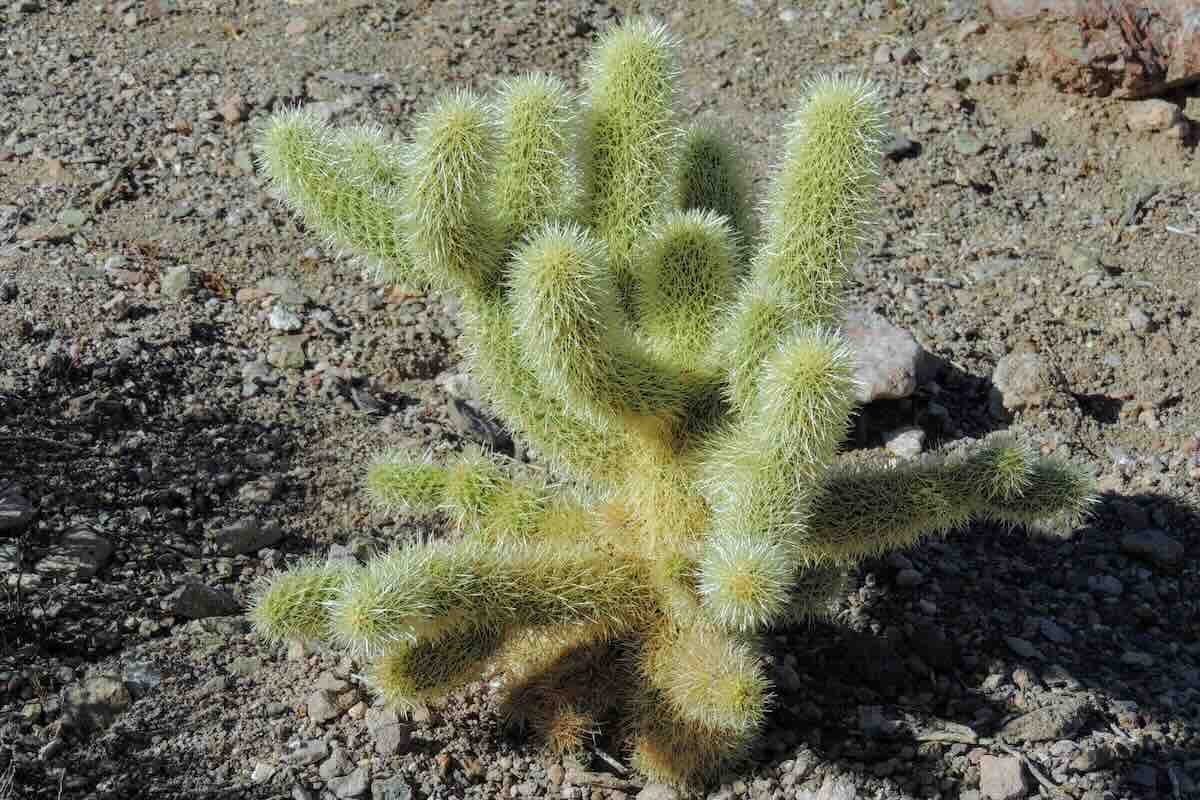
When discussing poisonous plants for dogs in Phoenix, it’s important to remember that not every plant hazard is related to toxicity.
Cholla cactus, sometimes called “Jumping Cholla,” is common on many Phoenix-area hiking trails and desert landscapes. While it is not poisonous to dogs, its barbed joints can easily attach to a dog’s paws, legs, face, or mouth. The spines can be extremely painful and may cause panic, injury, or infection if not removed properly.
Dogs that are curious, excited, or unfamiliar with desert hiking may accidentally brush against a cholla and end up with multiple cactus segments attached to their body. This is one reason why proper leash manners and trail awareness are so important when exploring Arizona’s desert environments.
If you enjoy hiking with your dog, be sure to read our guide to Hiking with Dogs in Phoenix: Trail Etiquette and Training Tips for additional safety recommendations, trail preparation advice, and training tips that can help keep your dog safe on Arizona trails.
Symptoms of Plant Poisoning in Dogs

Plant toxicity can affect dogs differently depending on the plant, the amount ingested, and the dog’s size.
Common symptoms include:
- Vomiting
- Diarrhea
- Drooling
- Lethargy
- Weakness
- Depression
- Loss of appetite (anorexia)
- Tremors
- Muscle weakness
- collapse
- Abnormal heart rhythms
- Seizures
In severe cases, poisoning can lead to organ failure or even death.
How to Create a Dog-Safe Phoenix Garden
Creating a dog-friendly yard does not mean sacrificing beauty.
Consider replacing toxic plants with pet-safe alternatives and regularly inspecting your landscaping for hazards.
You can also:
- Supervise dogs while outdoors.
- Train dogs to avoid chewing plants.
- Pick up fallen berries, leaves, and seed pods.
- Research new plants before adding them to your garden.
A little prevention can significantly reduce the risk of accidental poisoning.
Key Takeaways: Keeping Your Dog Safe from Poisonous Plants in Phoenix
Phoenix is filled with beautiful desert landscaping, but not every plant is pet-friendly. Several plants commonly found throughout Arizona neighborhoods, parks, and gardens can be toxic—or even lethal—to dogs.
From Oleander and Sago Palm to Desert Rose and Chinaberry Trees, understanding the risks can help you make informed decisions about your yard and your dog’s environment.
If your dog shows symptoms such as vomiting, diarrhea, drooling, lethargy, weakness, tremors, or seizures after chewing a plant, seek veterinary care immediately.
With awareness, supervision, and training, you can help your dog safely enjoy everything Phoenix has to offer.
Training Tips That Help Prevent Plant Poisoning in Phoenix Yards and Trails
The best way to protect your dog from poisonous plants isn’t just knowing which plants to avoid—it’s teaching your dog how to safely navigate the world around them.
At Desert Sky K9, we believe prevention starts with reliable training and good habits. While no amount of training replaces supervision, teaching your dog a few essential skills can greatly reduce the chances of them chewing on unfamiliar plants during walks, hikes, or backyard playtime.
Teach a Reliable “Leave It”
“Leave It” is one of the most valuable safety commands a dog can learn. Start by practicing with low-value distractions like leaves, sticks, or toys in a controlled environment before expecting your dog to ignore interesting plants on a neighborhood walk or desert trail.
Once your dog understands the command, gradually practice around real-world distractions while keeping them safely on leash.
Practice “Drop It” Using Positive Trade Games
Even well-trained dogs sometimes pick up something they shouldn’t.
Teaching a dependable “Drop It” cue using treats or another favorite toy encourages your dog to willingly release unfamiliar leaves, berries, seed pods, or plant clippings without turning it into a game of chase.
Keep Your Dog Close in Landscaping and Desert Areas
Many toxic plants are found in places dogs encounter every day—not just on hiking trails.
Use a standard leash to guide your dog away from HOA landscaping, neighborhood medians, shopping centers, community parks, and trailheads where unfamiliar plants may be growing.
Giving your dog enough freedom to explore while preventing them from wandering into ornamental landscaping helps reduce unnecessary risk.
Puppies Need Extra Supervision
Puppies and adolescent dogs naturally explore the world with their mouths. Chewing, sniffing, and investigating unfamiliar objects are normal parts of development, which also makes younger dogs more likely to sample toxic plants.
Close supervision, regular training sessions, and plenty of appropriate chew toys can help redirect that curiosity toward safer choices.
Stay Alert on Phoenix Hiking Trails
When hiking with your dog, poisonous plants aren’t the only concern.
Watch for cholla cactus joints, sharp cactus spines, seed pods, unknown berries, and landscape debris that curious dogs may investigate.
Keeping your dog on leash, practicing good trail etiquette, and using reliable obedience cues can help make every outdoor adventure safer and more enjoyable.
Prevention Is One of the Best Forms of Protection
Knowing which plants are poisonous is important—but teaching your dog to ignore unfamiliar plants can provide an extra layer of protection wherever your adventures take you.
At Desert Sky K9, our positive reinforcement training programs help dogs develop reliable real-world obedience, better impulse control, and the confidence to safely enjoy walks, hikes, parks, and everyday life with their families.
Whether you have a curious puppy or an adventurous adult dog, we’re here to help you build the skills that keep both ends of the leash happy.
Schedule your free, no-obligation consultation today.

When to Call a Veterinarian or Pet Poison Helpline
If your dog has chewed or swallowed a plant that may be poisonous, it’s always safest to contact a veterinarian—even if they aren’t showing symptoms yet. Some plant toxins act quickly, while others may take several hours before signs of illness appear.
Seek veterinary care immediately if your dog:
- Has eaten Oleander, Sago Palm, Castor Bean, Desert Rose, or another known highly toxic plant
- Is vomiting repeatedly or has severe diarrhea
- Becomes unusually weak, lethargic, or difficult to wake
- Experiences tremors, seizures, or difficulty walking
- Shows signs of trouble breathing or an irregular heartbeat
- Collapses or loses consciousness
If you’re unsure whether a plant is toxic, take a clear photo or bring a sample of the plant with you if it can be done safely. This can help your veterinarian identify the plant more quickly and determine the most appropriate treatment.
For additional guidance, you can also contact the ASPCA Animal Poison Control Center (888-426-4435) or Pet Poison Helpline (855-764-7661). Both services can help identify plant toxins and work with your veterinarian to recommend the best course of treatment.
When it comes to plant poisoning, it’s always better to call early than to wait until symptoms become severe.
Frequently Asked Questions
Several plants are extremely toxic, but Oleander and Sago Palm are often considered among the most dangerous due to their potential to cause fatal poisoning.
Yes. Aloe Vera is mildly toxic to dogs when ingested and may cause vomiting, diarrhea, lethargy, and digestive upset.
Survival depends on how much was ingested and how quickly treatment begins. Immediate veterinary care is critical because Sago Palm can cause severe liver damage.
Common signs include vomiting, diarrhea, drooling, lethargy, weakness, tremors, loss of appetite, abnormal heart rhythms, and seizures.
No. Do not induce vomiting unless specifically instructed by your veterinarian or a pet poison expert.
No. While many desert plants are harmless, several common species found in Phoenix landscapes can be highly toxic to dogs.
Trusted Resources
- ASPCA Animal Poison Control Center Toxic and Non-Toxic Plant Database
- Pet Poison Helpline Plant Poisoning Resources
- Arizona Native Plant Society — Arizona Exotic and Native Plants That Are Toxic
Information was current at the time of publication. Recommendations may change as new veterinary research becomes available. Always consult your veterinarian if you believe your dog has ingested a poisonous plant.