Phoenix is an incredible place to explore with your dog. From mountain trails and desert preserves to neighborhood parks and outdoor adventures, there are countless opportunities to enjoy the Arizona sunshine together.
However, the Sonoran Desert is also home to some of the most dangerous animals in Phoenix, Arizona. While most wildlife prefers to avoid humans and dogs, encounters can happen—especially during hiking adventures, early morning walks, and the warmer months of the year.
The good news? Most dangerous wildlife encounters can be prevented with awareness, proper training, and a little preparation.
In this guide, we’ll cover the most dangerous animals in Phoenix, how they can affect your dog, and what you can do to stay safe while enjoying Arizona’s beautiful outdoors.
At a Glance
- The most dangerous animals in Phoenix include rattlesnakes, bark scorpions, Africanized bees, black widow spiders, coyotes, bobcats, javelinas, and Gila monsters.
- Arizona has more rattlesnake species than any other U.S. state.
- The Arizona bark scorpion is the most venomous scorpion in North America.
- Africanized bees can attack in large swarms if disturbed.
- Coyotes and javelinas may become aggressive when protecting food or young.
- Most wildlife encounters happen when animals feel threatened or cornered.
- Proper training can help dogs avoid dangerous situations.
- Keeping dogs on leash significantly reduces the risk of wildlife encounters.
- Immediate medical attention is recommended after rattlesnake bites and bark scorpion stings.
- Prevention is the best way to keep dogs safe in the Arizona desert.
Why Dangerous Animals Are Common in Phoenix
Phoenix sits in the heart of the Sonoran Desert, one of the most biologically diverse deserts in the world.
While many people think of the Arizona desert as dry and empty, it is actually home to hundreds of species of animals, insects, reptiles, and birds. Many of these creatures are harmless, but some possess venom, defensive behaviors, or territorial instincts that can create dangerous situations for curious dogs.
Dogs naturally explore with their noses, paws, and mouths. Unfortunately, those instincts can sometimes bring them too close to wildlife.
Rattlesnakes: The Most Well-Known Desert Danger
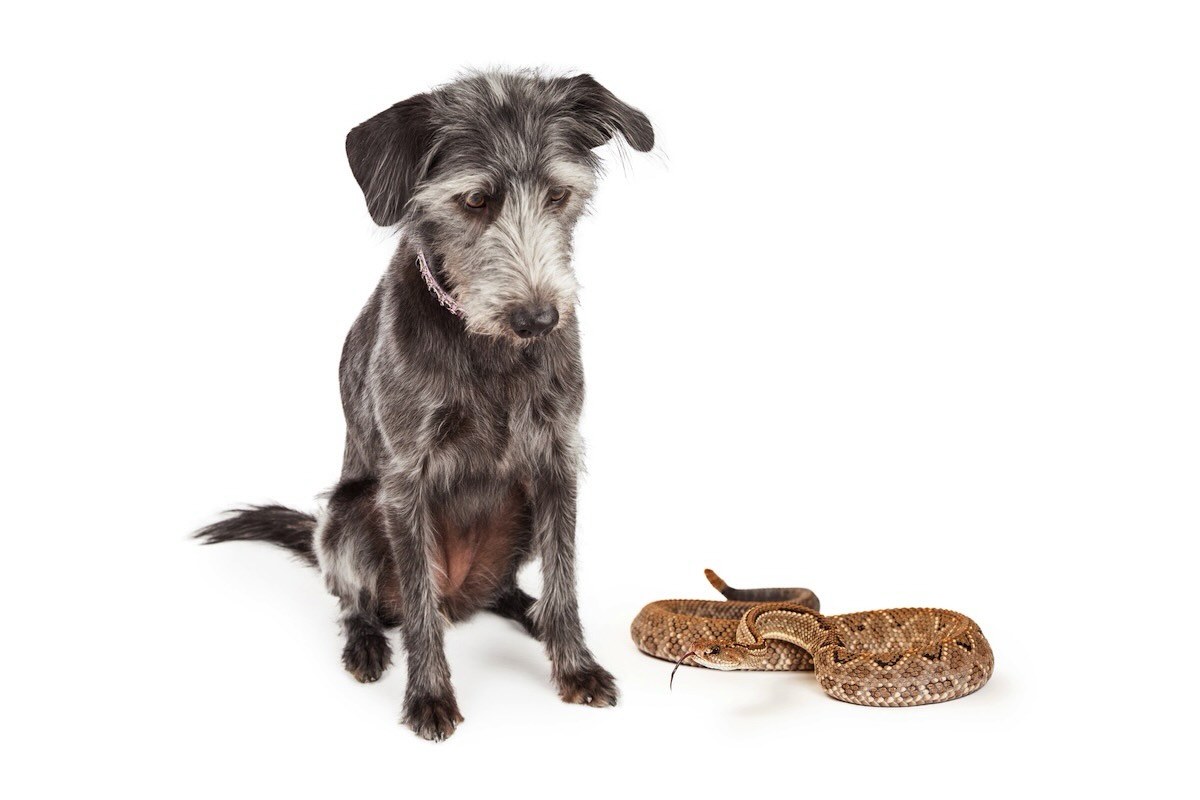
When most people think about dangerous animals in Arizona, rattlesnakes are usually the first creatures that come to mind.
Arizona has 13 species of rattlesnakes—more than any other state in the U.S. The western diamondback rattlesnake is the species most commonly encountered around Phoenix, while the Mohave rattlesnake is considered one of the most venomous.
Rattlesnakes are typically active during warm weather and may be found:
- Along hiking trails
- Under bushes
- Around rock piles
- Near washes
- In residential areas bordering natural desert
Most rattlesnakes do not want to bite. They usually prefer to avoid confrontation and may rattle as a warning.
However, curious dogs often investigate the sound and movement, placing their face directly within striking distance.
If your dog is bitten by a rattlesnake, seek immediate veterinary medical attention. Even though less than 1% of rattlesnake bites are fatal, prompt treatment is critical.
For additional safety tips, check out our Rattlesnake Safety Guide for Dogs in Phoenix.
Arizona Bark Scorpions
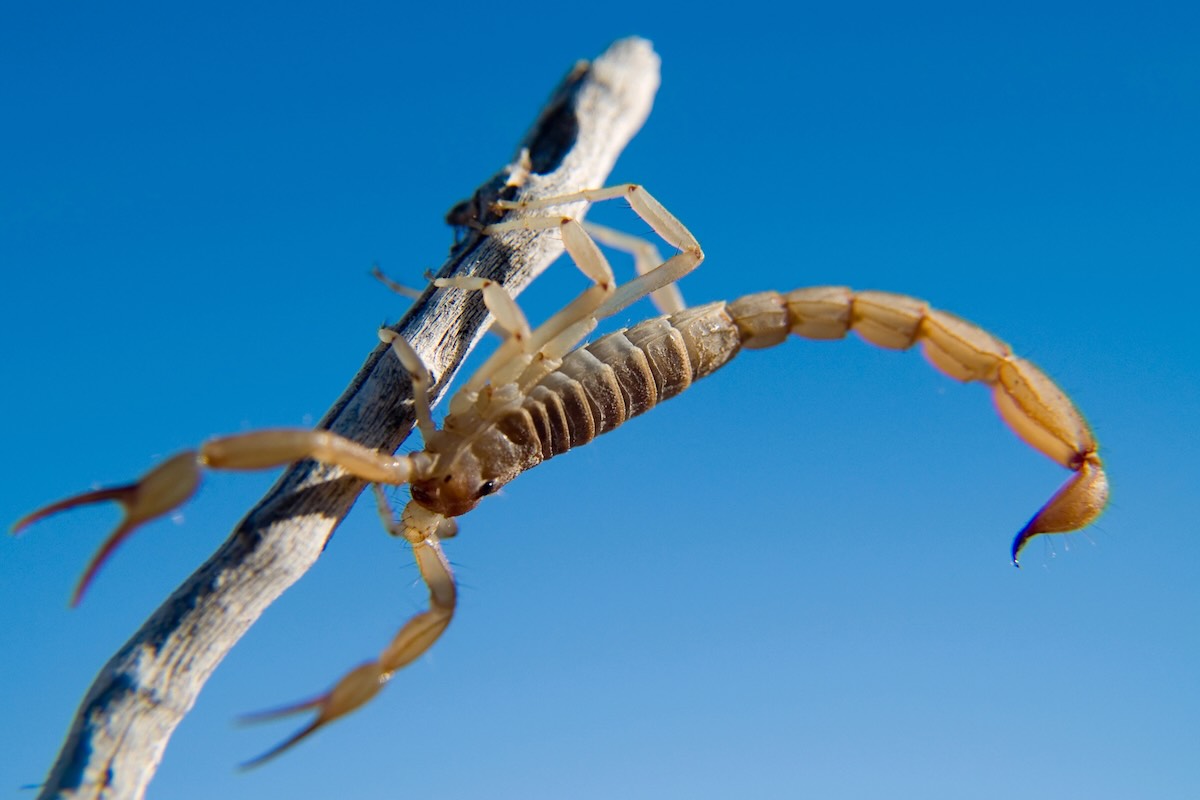
The Arizona bark scorpion is considered the most venomous scorpion in North America.
Arizona is home to roughly 40 to 60 species of scorpions, but the bark scorpion is responsible for most serious stings.
These small creatures are:
- Nocturnal
- Excellent climbers
- Active during warmer months
- Common around homes and yards
Scorpions can hide in shoes, dog beds, toys, and outdoor equipment.
That’s why it’s always a good idea to shake out shoes and clothing that have been left outside before putting them on.
Dogs stung by bark scorpions may experience:
- Pain
- Drooling
- Tremors
- Pawing at the sting site
- Difficulty walking
- Dilated pupils
If you suspect a bark scorpion sting, contact your veterinarian immediately.
Africanized Bees (Killer Bees)
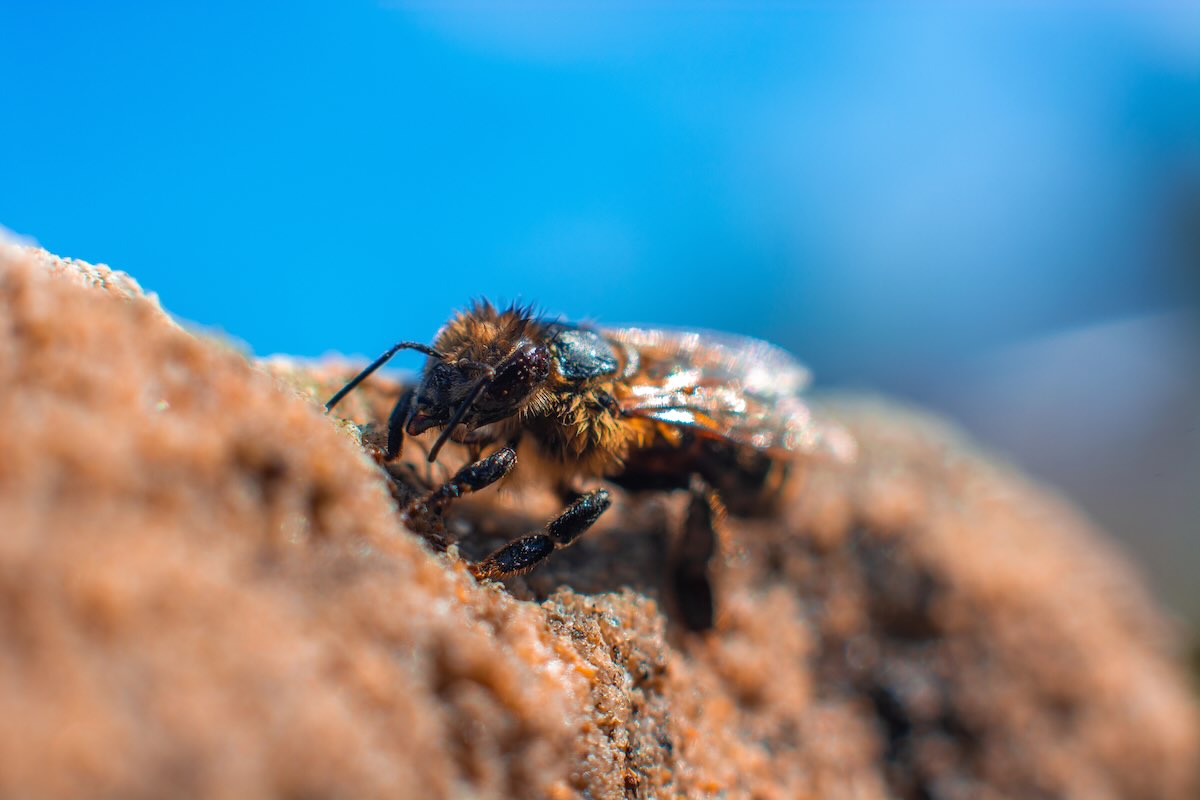
Africanized bees, often called killer bees, are one of the most dangerous animals in Phoenix due to their highly defensive behavior.
Unlike regular honeybees, Africanized bees are extremely territorial and may attack in large swarms if they perceive a threat.
Dogs are particularly vulnerable because they may unknowingly disturb a hive while investigating bushes, trees, or structures.
Warning signs of nearby bees include:
- Large numbers of bees entering a hole or opening
- Increased bee activity around structures
- Swarming behavior
If your dog disturbs a hive:
- Leave the area immediately
- Run to shelter
- Do not stop to swat bees
- Seek veterinary care if your dog receives multiple stings
Bee attacks can become life-threatening very quickly.
Coyotes
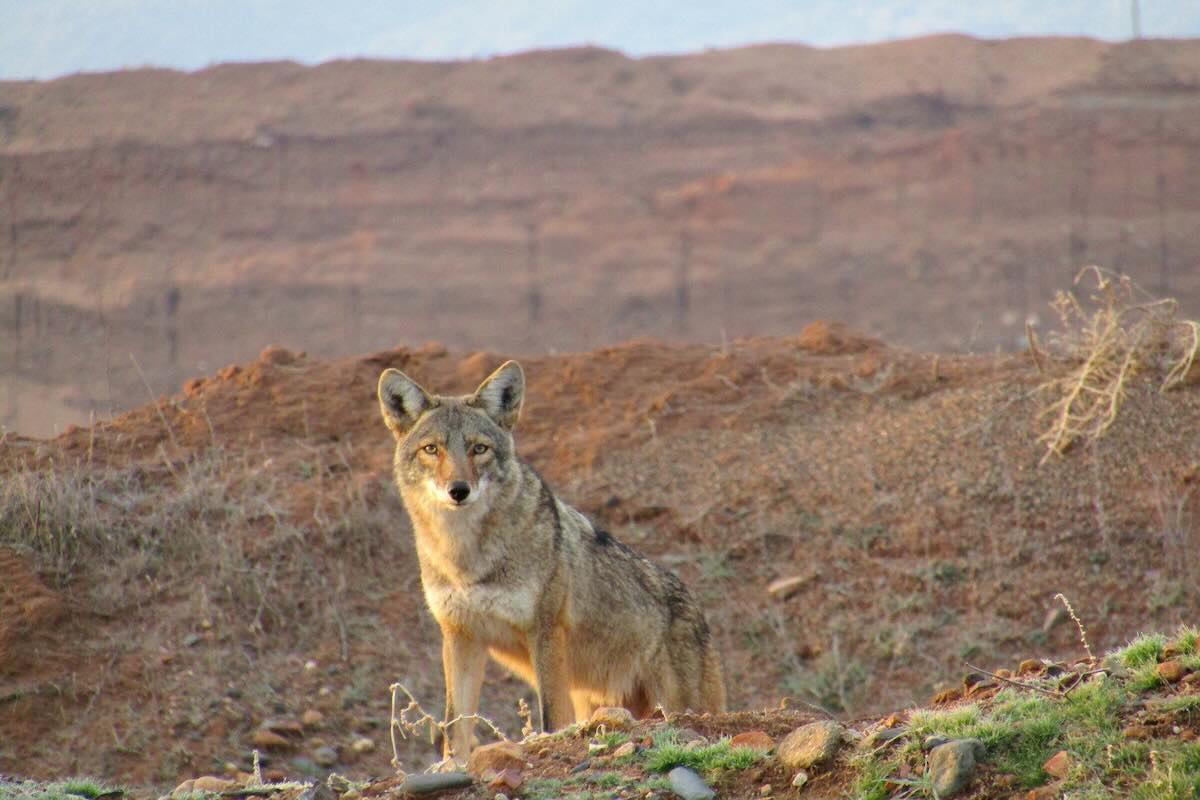
Coyotes are common throughout Phoenix and have adapted surprisingly well to urban environments.
Most coyotes avoid people and dogs, but encounters can occur during:
- Early mornings
- Evenings
- Night walks
- Desert hikes
Small dogs are at greater risk because coyotes may view them as prey.
Coyotes can also become aggressive if they are protecting young pups or food sources.
Never allow your dog to approach a coyote, even if it appears calm.
Keeping dogs on leash and maintaining awareness during walks can dramatically reduce the risk of an encounter.
Bobcats
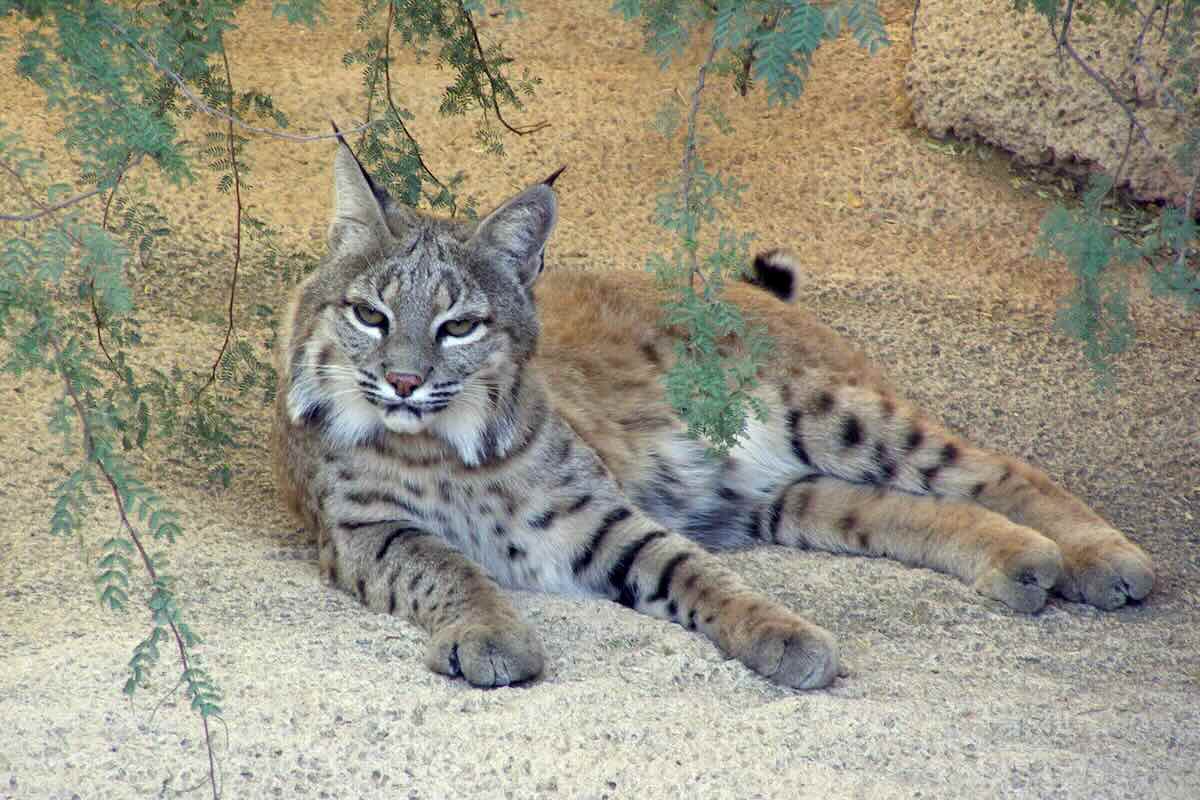
Bobcats are another wild animal that Phoenix dog owners should be aware of. Although they are naturally shy and usually avoid people, sightings have become increasingly common in neighborhoods bordering desert preserves, mountain parks, and natural washes.
Most bobcats pose little threat to humans, but they may view small dogs as prey or defend themselves if cornered. Dawn, dusk, and nighttime are when bobcats are most active, making these times especially important to supervise your dog outdoors.
To reduce the risk of an encounter:
- Keep small dogs on a leash during walks.
- Avoid letting pets roam freely, especially after dark.
- Never approach or feed a wild bobcat.
- Secure pet food and trash outdoors so they don’t attract wildlife.
Like coyotes, bobcats prefer to avoid conflict whenever possible. Giving them plenty of space and keeping your dog under control is usually enough to prevent problems.
Javelinas
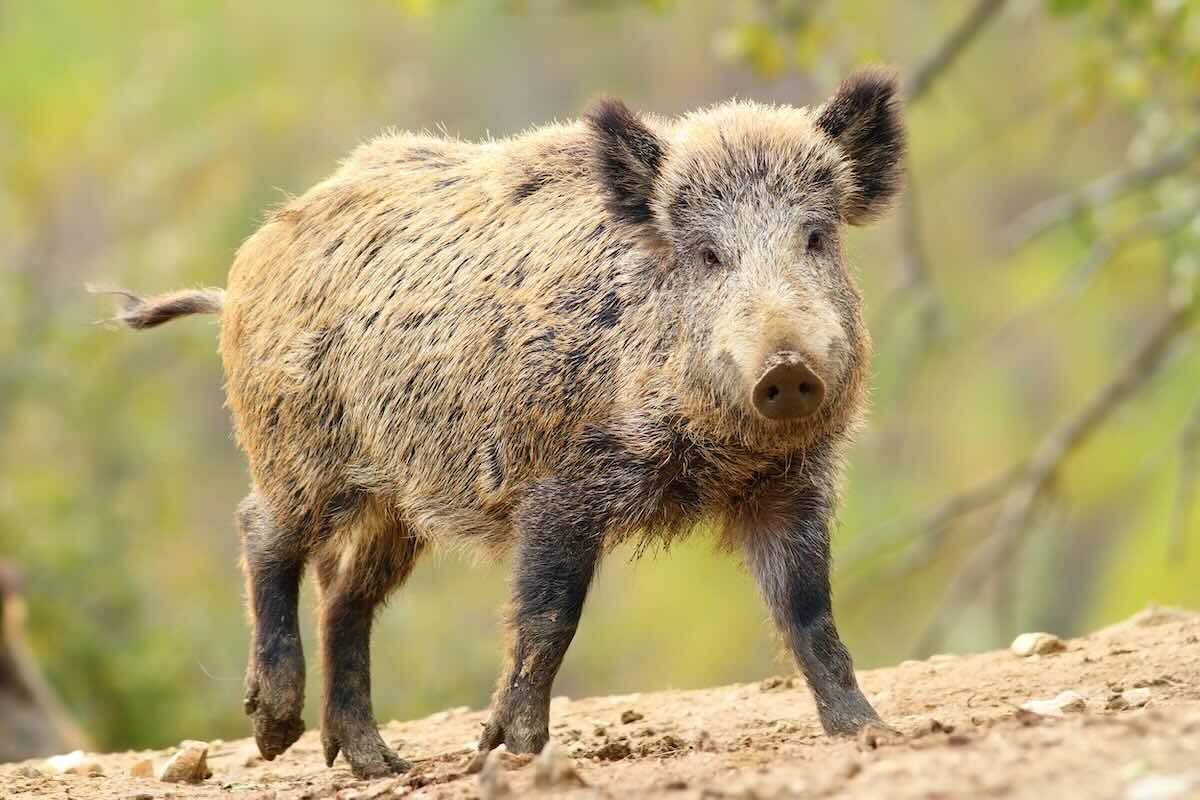
Many people mistake javelinas for wild pigs, but they are actually a separate species native to the Sonoran Desert.
Javelinas are generally not aggressive, but they can become dangerous when:
- Cornered
- Surprised
- Protecting young
- Defending food
Their sharp tusks can cause serious injuries to dogs.
Javelinas often travel in groups, so if you see one, there are usually more nearby.
Give them plenty of space and avoid allowing dogs to approach.
Gila Monsters
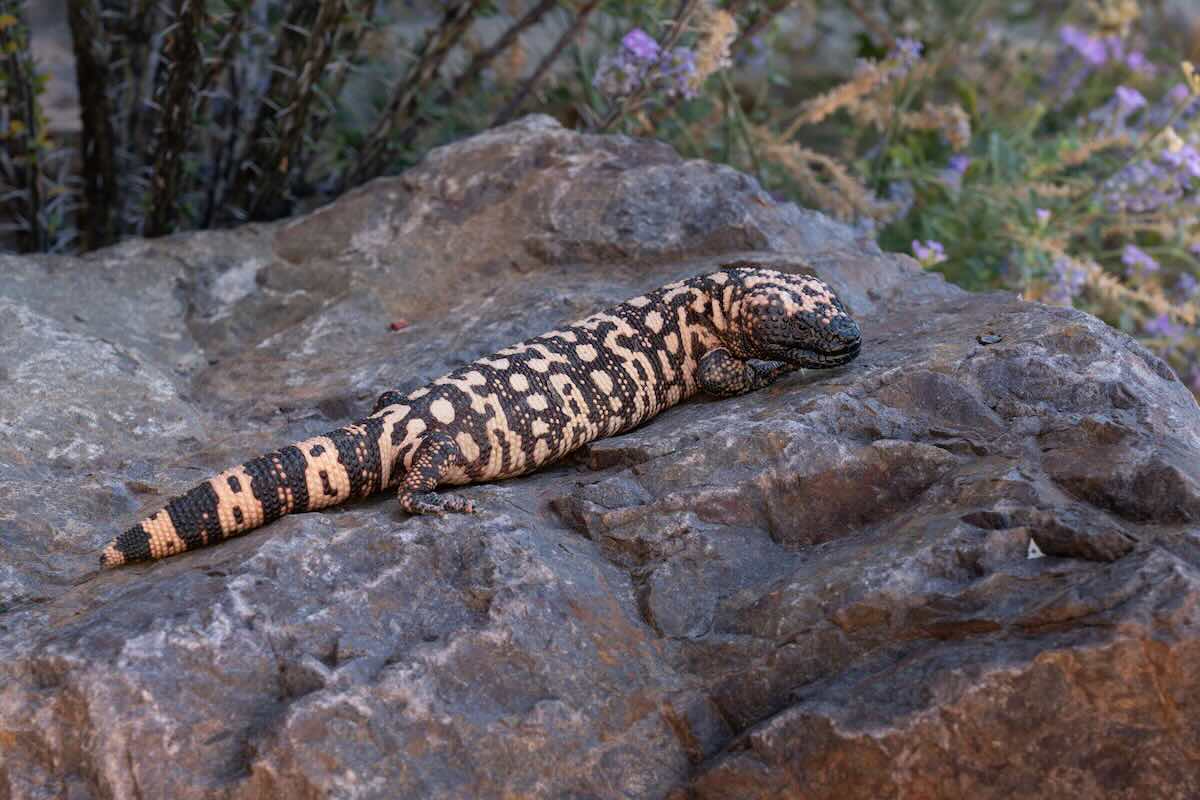
One of Arizona’s most fascinating creatures is the Gila monster.
Gila monsters can grow up to 22 inches long and weigh approximately one pound. They are one of only two venomous lizards found in North America.
Fortunately, encounters are extremely rare.
These reptiles spend much of their time underground and generally avoid humans and dogs.
However, if a dog attempts to bite or investigate a Gila monster, problems can arise.
Gila monster bites can be extremely painful and difficult to release because they often hold on tightly once they bite.
The good news is that no fatalities from Gila monster bites have been reported.
Still, any bite requires immediate veterinary attention.
Black Widow Spiders
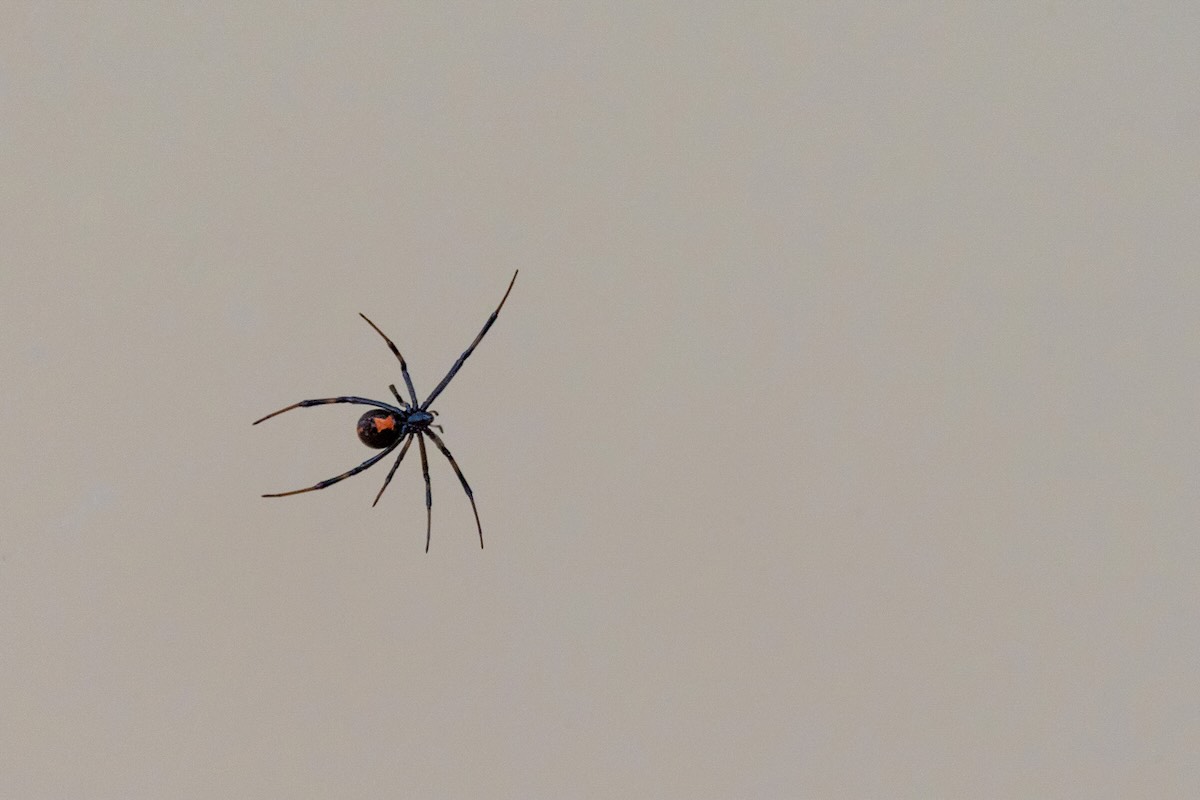
Arizona has a healthy population of black widow spiders.
These spiders are commonly found in:
- Garages
- Wood piles
- Storage areas
- Landscaping features
- Outdoor furniture
Black widow venom is often described as being significantly more potent than rattlesnake venom by volume.
Fortunately, black widows inject much smaller amounts of venom.
Dogs may experience:
- Muscle pain
- Weakness
- Tremors
- Restlessness
Although severe complications are uncommon, veterinary evaluation is recommended whenever a bite is suspected.
Brown Recluse Spiders
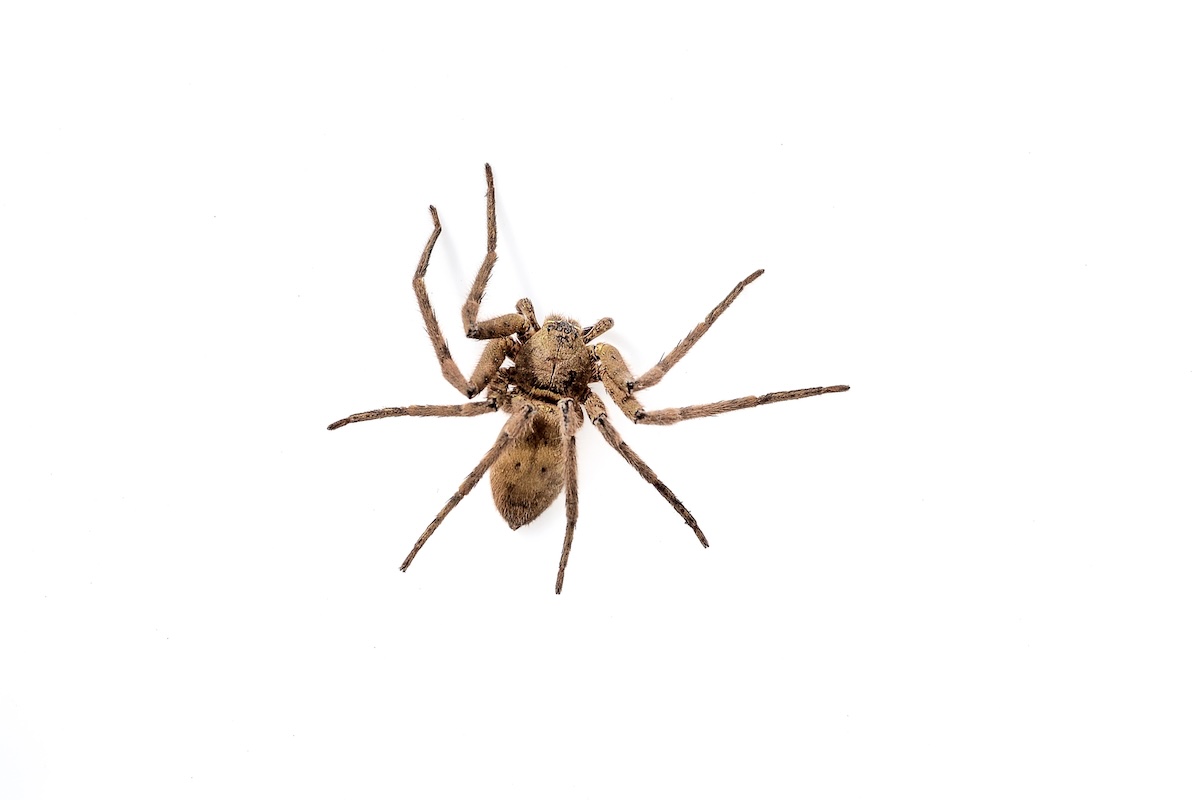
While brown recluse spiders are less common in Arizona than many people believe, they can still present a risk.
Brown recluse bites may take several hours to show symptoms.
In some cases, tissue damage can develop around the bite site.
Symptoms may include:
- Swelling
- Pain
- Redness
- Skin damage
Because symptoms can be delayed, dog owners may not immediately realize their pet was bitten.
Any suspicious bite should be evaluated by a veterinarian.
Coral Snakes
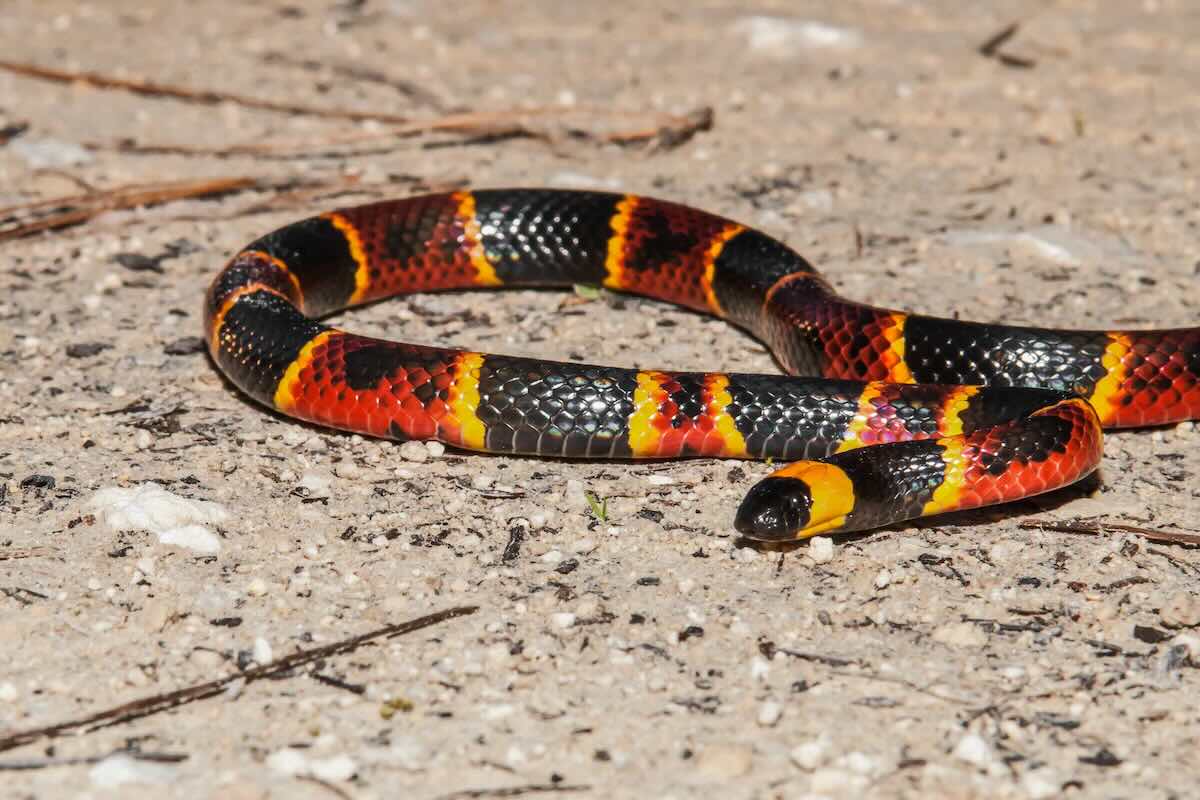
Arizona coral snakes are relatively small, usually measuring between 13 and 21 inches long.
These colorful snakes are venomous but extremely shy and rarely encountered.
Most coral snake bites occur when the animal is intentionally handled.
Dogs should never be allowed to investigate or interact with any snake, regardless of whether it appears dangerous.
When hiking, it’s safest to assume every snake deserves space and respect.
Desert Centipedes
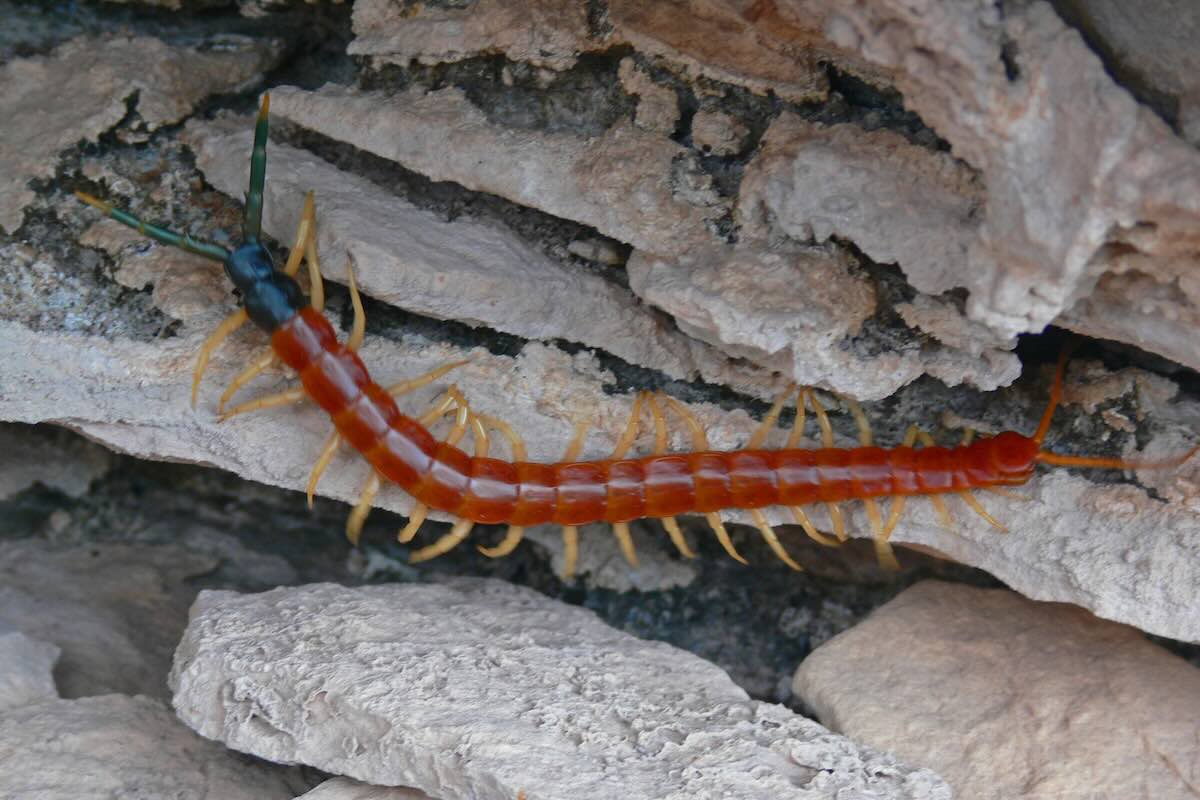
The giant desert centipede is another creature that deserves mention.
These centipedes can grow up to 8 inches long and are known for delivering painful bites.
While they are unlikely to cause fatal injuries, they can produce:
- Intense pain
- Swelling
- Localized reactions
Other desert creatures that may cause painful stings or skin irritation include:
- Velvet ants
- Blister beetles
- Kissing bugs
- Various insects and arachnids
Most encounters are preventable when dogs remain supervised outdoors.
Bears and Mountain Lions: Rare but Possible
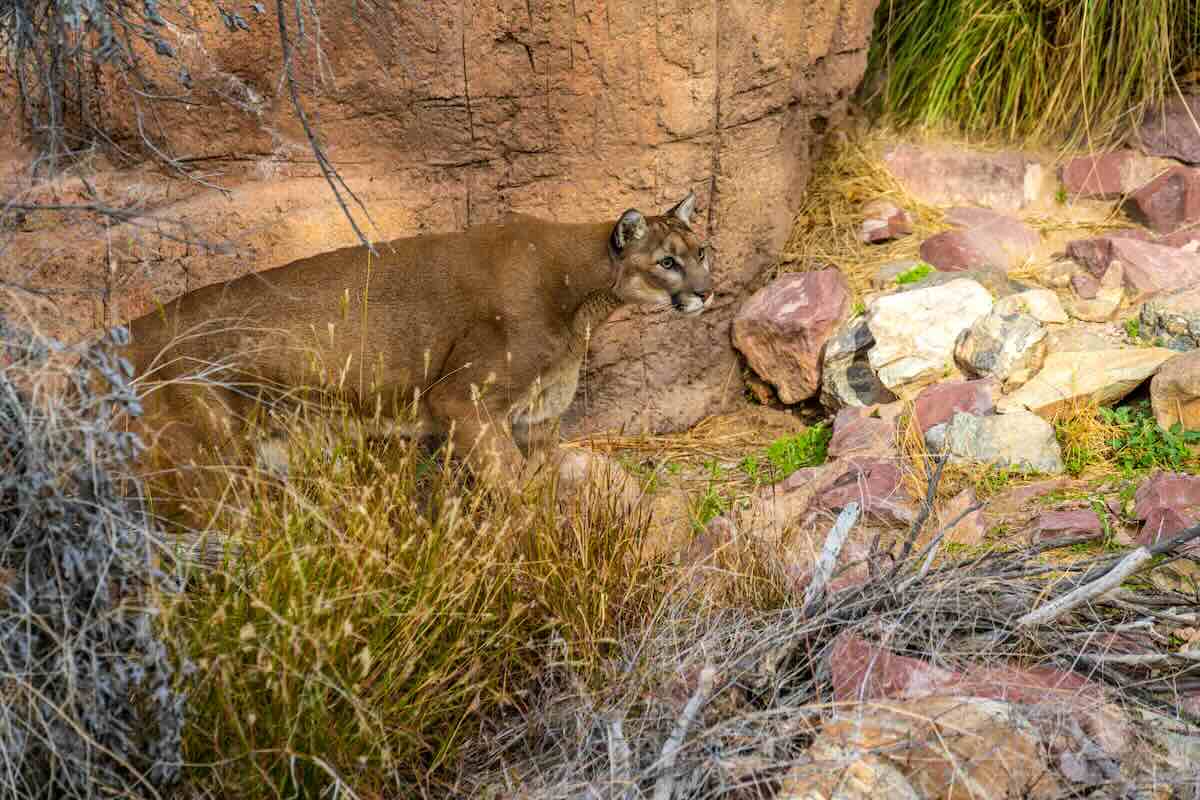
Although bears and mountain lions are not commonly seen within Phoenix itself, they do inhabit parts of Arizona and may occasionally be encountered in mountain regions and remote hiking areas.
Mountain lions are highly elusive and generally avoid humans.
Similarly, black bears are rarely aggressive unless surprised or protecting cubs.
Most dog owners are unlikely to encounter these animals, but awareness is important when hiking in remote areas.
How Training Helps Prevent Wildlife Encounters

One of the best ways to protect your dog from dangerous animals is through training.
Reliable obedience skills can help prevent your dog from:
- Chasing wildlife
- Leaving designated trails
- Investigating dangerous creatures
- Ignoring recall commands
A strong “leave it” command alone can prevent countless dangerous encounters.
Likewise, reliable leash manners make it easier to maintain control when unexpected wildlife appears.
If you frequently hike with your dog, you may also enjoy our article on Hiking With Dogs in Phoenix: Trail Etiquette and Training Tips, which covers practical safety skills for Arizona adventures.
Why Desert Sky K9 Emphasizes Real-World Training
At Desert Sky K9, we believe dog training should prepare dogs for real life—not just the living room.
Phoenix presents unique challenges that many dog owners across the country never encounter. From rattlesnakes and scorpions to coyotes and javelinas, dogs need reliable obedience skills in real-world environments.
Our positive reinforcement training programs focus on helping dogs build confidence, improve responsiveness, and develop dependable behaviors around distractions.
Whether you’re working on leash manners, recall, impulse control, or outdoor safety skills, proper training can make every adventure safer and more enjoyable for both you and your dog.
Key Takeaways
- Phoenix is home to several potentially dangerous animals, including rattlesnakes, bark scorpions, Africanized bees, coyotes, bobcats, javelinas, black widow spiders, and Gila monsters.
- Most wildlife encounters occur when animals feel threatened or cornered.
- Keeping dogs on leash significantly reduces risk.
- Bark scorpions and rattlesnakes require immediate medical attention if a sting or bite occurs.
- Africanized bees can attack in large swarms and should never be approached.
- Training important commands such as “leave it,” recall, and leash manners can help prevent dangerous encounters.
- Always maintain a safe distance from wildlife.
- Secure food and trash outdoors to avoid attracting animals.
- Supervision is one of the best forms of prevention.
- Real-world obedience training can help keep dogs safer during outdoor adventures.
Keep Your Dog Safe on Every Arizona Adventure
The Arizona desert offers incredible opportunities to explore with your dog, but awareness and preparation are essential.
If you’d like help building reliable recall, better leash manners, stronger impulse control, or real-world obedience skills that can help keep your dog safer outdoors, Desert Sky K9 is here to help.
Contact Desert Sky K9 today to schedule a complimentary consultation and discover how positive reinforcement training can help you enjoy safer, more confident adventures together.
Frequently Asked Questions
Rattlesnakes, Arizona bark scorpions, Africanized bees, coyotes, javelinas, black widow spiders, and Gila monsters are among the most dangerous animals commonly discussed in the Phoenix area.
Yes. Phoenix and the surrounding Sonoran Desert are home to several rattlesnake species, including the western diamondback rattlesnake.
Seek immediate veterinary medical attention. Do not attempt home treatment or wait for symptoms to improve.
They can be. Bark scorpion stings may cause significant pain and neurological symptoms, especially in smaller dogs.
Coyotes may attack small dogs, particularly during dawn, dusk, or nighttime hours. Keeping dogs leashed greatly reduces the risk.
No fatalities from Gila monster bites have been reported, but the bites can be extremely painful and require medical attention.
Keep your dog on leash, stay on designated trails, avoid wildlife, carry water, and practice reliable recall and “leave it” commands.
Absolutely. Reliable obedience and impulse control can help prevent dogs from approaching dangerous animals and increase safety during outdoor adventures.