Phoenix offers incredible hiking opportunities for people and their dogs. From the rugged beauty of South Mountain to the scenic desert paths of Papago Park, the Valley is filled with trails that make outdoor adventures with your dog unforgettable. However, enjoying these desert trails also means understanding rattlesnake safety for dogs in Phoenix. The Sonoran Desert is home to a variety of wildlife, including rattlesnakes—one of the region’s most well-known residents.
While rattlesnake encounters are not extremely common, they can happen. Because dogs explore the world with curiosity and their noses close to the ground, they are often at greater risk of surprising a snake than their human companions. Fortunately, with awareness, preparation, and proper training, many snake encounters can be avoided.
Learning how to recognize risks, follow smart trail practices, and train your dog to respond to commands can dramatically reduce the chances of a dangerous encounter.
At a Glance: Rattlesnake Safety for Dogs on Phoenix Trails
When hiking in the Phoenix area with your dog, keep these basic safety practices in mind:
- Keep your dog on a leash on desert trails
- Stay on established paths and avoid thick brush
- Watch where your dog is sniffing or exploring
- Avoid letting dogs investigate rocks, logs, or tall grass
- Stay alert during warmer months when rattlesnakes are most active
- Hike during cooler daylight hours when visibility is better
- Practice recall and “leave it” commands before hiking
- Learn what to do in case of a snake encounter
These simple habits can significantly reduce the risk of an unwanted wildlife encounter.
Are There Rattlesnakes on Phoenix Hiking Trails?
Yes. Arizona is home to more rattlesnake species than any other state in the U.S., and several of them live throughout the Phoenix area.
The Sonoran Desert provides ideal habitat with its rocky terrain, open washes, and warm climate. Rattlesnakes often shelter under rocks, inside crevices, or beneath desert vegetation to stay protected from extreme heat.
When Are Rattlesnakes Most Active on Phoenix Trails?
Rattlesnakes in the Phoenix area are typically most active during spring, summer, and early fall, when temperatures are warm and food sources are abundant. During the hottest months of summer, snakes often become more active during early morning and evening hours, when the desert cools down.
On cooler spring and fall days, you may occasionally see rattlesnakes warming themselves on sunny sections of trail or rocky surfaces. This is why it’s important to stay alert while hiking and keep dogs close, especially during warmer seasons when snake activity increases.
Where Are You Most Likely to Encounter Snakes While Hiking?
Rattlesnakes can live throughout the Sonoran Desert, but certain environments make encounters more likely. Understanding where snakes tend to hide can help hikers stay more alert and avoid risky areas.
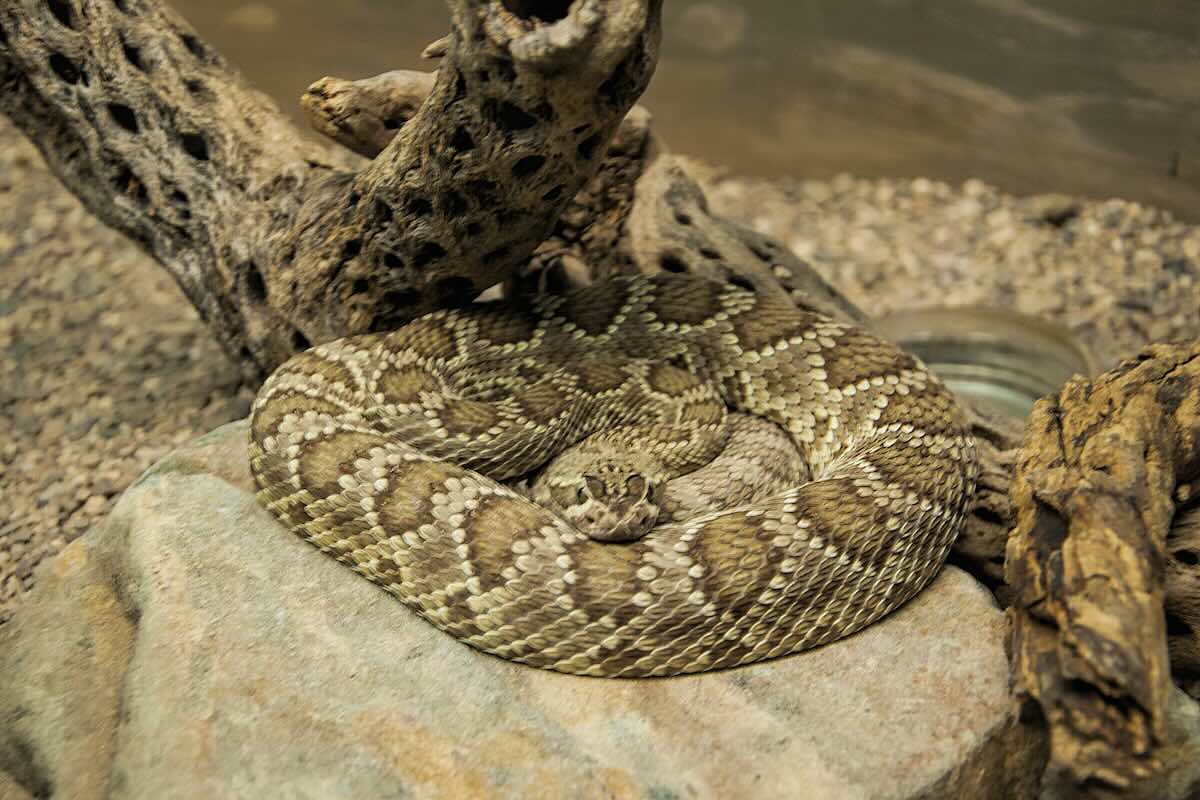
Snakes typically seek places that provide shade, protection, and access to prey such as rodents and lizards.
You are more likely to encounter rattlesnakes in areas such as:
- Rocky terrain and boulder fields
- Desert washes and dry creek beds
- Tall grass and dense desert vegetation
- Under rocks, logs, or shaded ledges
- Warm trail surfaces during cooler mornings
Popular hiking areas around Phoenix that provide rattlesnake habitat include desert parks such as South Mountain Park, Camelback Mountain, Papago Park, the McDowell Sonoran Preserve, Superstition Mountains & Boulder Canyon, and Daisy Mountain.
This doesn’t mean these trails are dangerous. Thousands of people hike them every day without encountering snakes.
Most rattlesnakes prefer to avoid confrontation and will try to escape if given the chance. Their famous rattle serves as a warning to nearby animals and humans to stay away. However, staying aware of your surroundings and keeping dogs under control helps reduce the chance of an unexpected wildlife encounter.
Why Dogs Are at Higher Risk Than People
Dogs experience the world through curiosity and scent. Dogs sometimes approach too closely before either the snake or the owner notices the danger.
When exploring a trail, many dogs naturally want to investigate:
- Small holes in the ground
- Bushes and tall grasses
- Rock piles or shaded areas
- Moving animals or unfamiliar sounds
Unfortunately, these are also places where rattlesnakes may rest or hide.
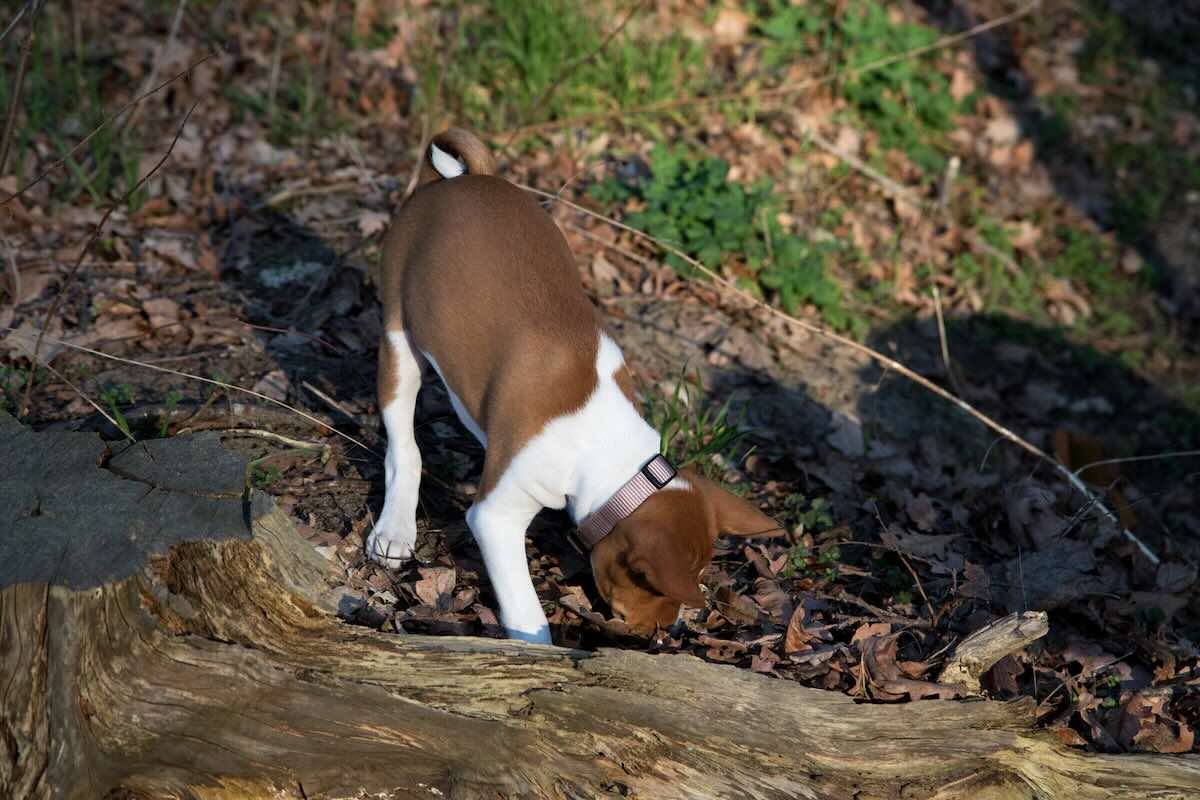
A dog that runs ahead on a trail, wanders off the path, or investigates brush without supervision may unknowingly get too close to a snake.
Even friendly, well-behaved dogs can make this mistake if they are excited or distracted during a hike. That’s why obedience skills and leash manners play an important role in trail safety.
How to Protect Your Dog From Rattlesnakes While Hiking
Practicing good trail habits is one of the most effective ways to protect your dog while hiking in Phoenix.
Keep Your Dog on a Leash
Leashes allow you to guide your dog away from potential danger before they investigate something risky. Dogs running freely are much more likely to surprise wildlife.
Stay on Established Trails
Snakes are more commonly found in areas with heavy vegetation, tall grass, or rocky cover. Staying on marked trails reduces the chance of accidentally disturbing a snake’s hiding place.
Avoid Letting Dogs Explore Brush or Rocks
Encourage your dog to walk beside you rather than wandering into shaded areas along the trail where visibility is limited.
Watch the Trail Ahead
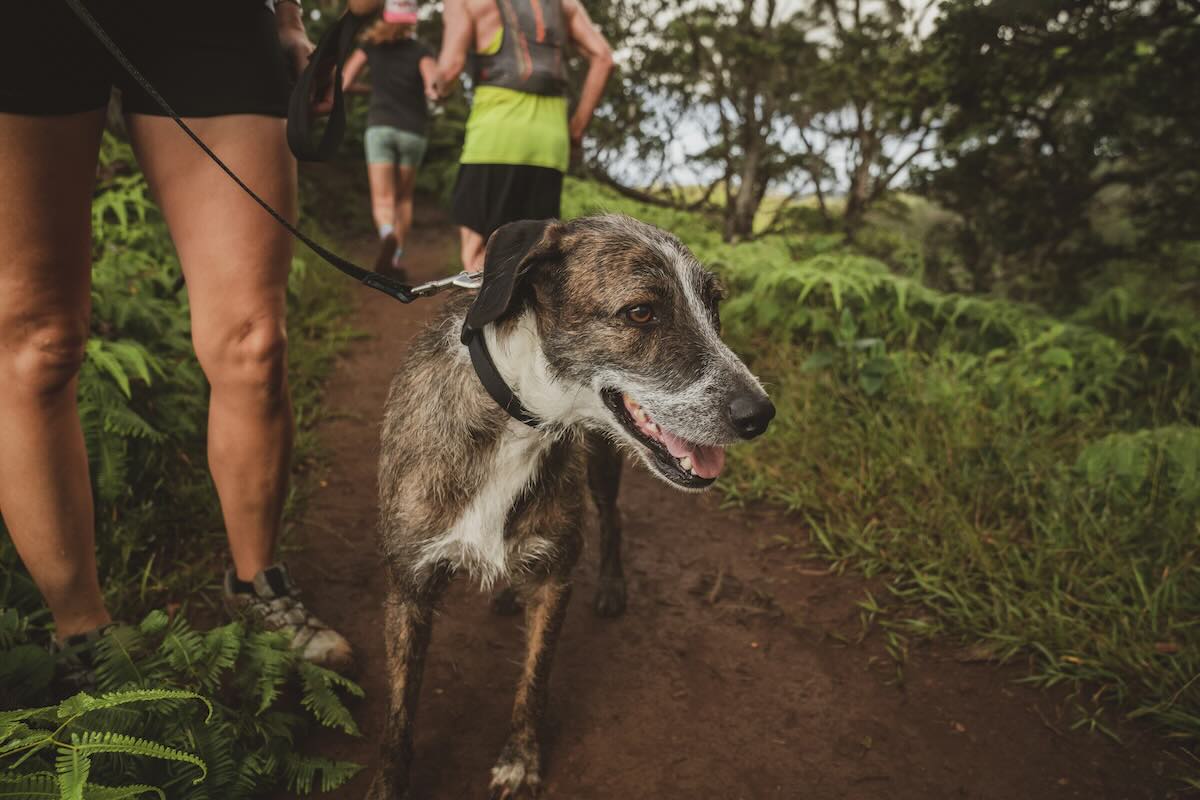
Many snake encounters can be avoided simply by paying attention to the path ahead and calmly turning around or stepping back if you spot wildlife.
These practices protect both dogs and wildlife while making hiking safer for everyone.
Training Skills That Improve Trail Safety
While awareness is important, training is one of the most powerful tools for preventing dangerous situations on the trail. Dogs that reliably respond to commands are far easier to guide away from hazards.
At Desert Sky K9 Board and Train Bootcamp, core obedience skills like leash manners, impulse control, and recall are central to creating a dog that can safely accompany their owner in real-world environments.
Some of the most helpful commands for hiking include:
Recall
A strong recall allows you to call your dog back immediately if they begin moving toward something dangerous.
Leave It
The “leave it” command teaches a dog to disengage from something they are curious about—whether it’s wildlife, food on the ground, or a strange object.
Loose Leash Walking
Dogs that walk calmly beside their owner are less likely to dart into brush or investigate unknown areas.
Focus and Impulse Control
Training helps dogs remain attentive to their owner rather than reacting impulsively to every movement or scent they encounter.
These skills dramatically improve safety in outdoor environments where unpredictable situations may occur.
Can Dogs Be Trained to Avoid Rattlesnakes?
Yes. While no training can guarantee that a dog will never encounter wildlife, well-trained dogs are far more likely to respond to commands that help them avoid potential dangers on the trail.
Outdoor adventures are one of the greatest joys of living in Arizona. The desert landscape offers endless opportunities for hiking, exploring, and bonding with your dog. However, enjoying these experiences safely often depends on how well a dog responds to guidance and commands.
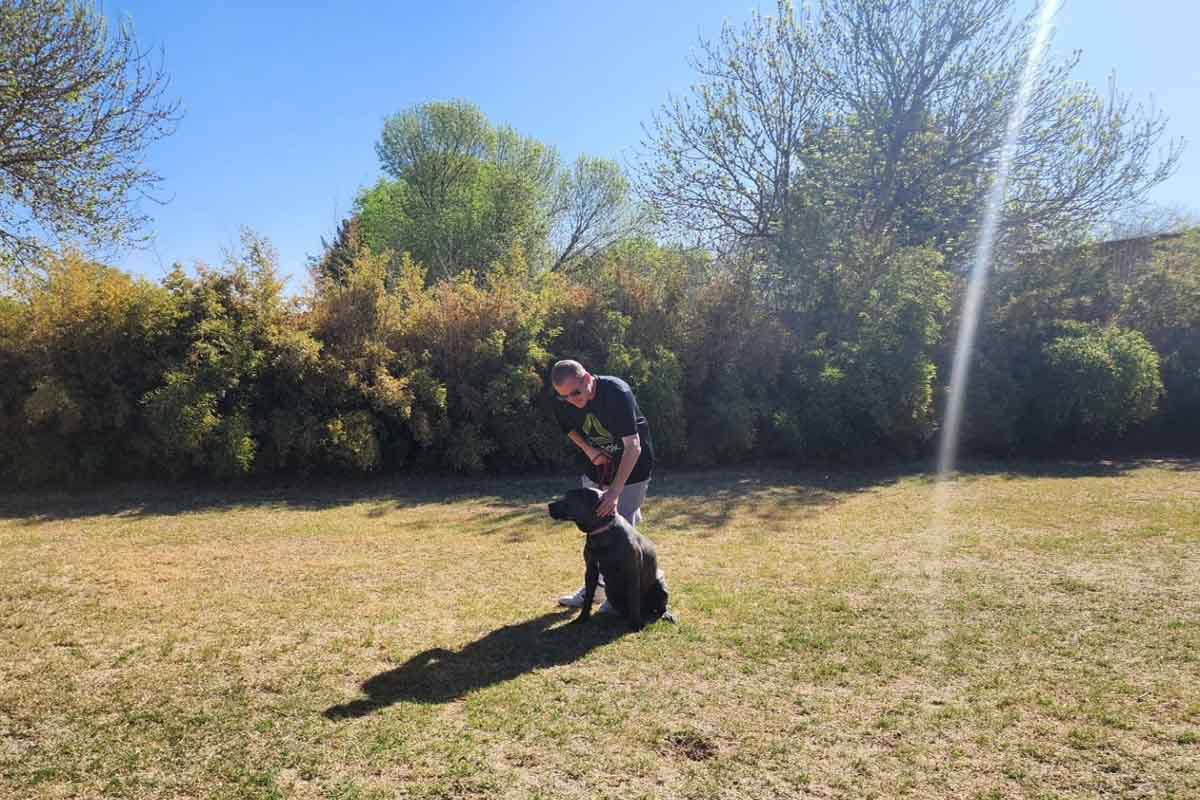
At Desert Sky K9, our dog training programs focus on building the skills that help dogs thrive in everyday life—including environments like busy parks, hiking trails, and public spaces.
Training helps dogs:
- Stay focused around distractions
- Respond quickly to commands
- Develop calm behavior outdoors
- Build a stronger relationship with their owner
Desert Sky K9 behavior modification, puppy training, and board-and-train programs help dogs develop the reliability and impulse control needed to safely navigate real-world environments—including desert hiking trails.
These skills don’t just improve hiking safety—they enhance everyday life with your dog.
Trail Safety Checklist Before Hiking With Your Dog
Before heading out on a desert hike, it helps to take a few simple precautions to keep both you and your dog safe.
Use this quick checklist before hitting Phoenix trails.
Pre-Hike Safety Checklist
✔ Bring plenty of water for both you and your dog
✔ Keep your dog on a leash while hiking
✔ Practice recall and “leave it” commands before hitting the trail
✔ Stay on marked trails and open paths
✔ Avoid letting your dog explore brush, rocks, or tall grass
✔ Watch the trail ahead for wildlife
✔ Hike during daylight hours for better visibility
✔ Know the location of the nearest emergency veterinarian
Prepared hikers are far more likely to avoid problems and enjoy a relaxing, safe outing with their dog.
What to Do If You See a Rattlesnake on the Trail
If you encounter a rattlesnake while hiking with your dog, the most important thing is to remain calm.
Follow these steps:
- Stop and keep your dog close. Prevent your dog from approaching the snake.
- Slowly back away. Give the snake plenty of space and avoid sudden movements.
- Allow the snake an escape route. Most rattlesnakes prefer to move away rather than confront people or animals.
- Choose a different path if necessary.
Remember that rattlesnakes play an important role in the desert ecosystem by controlling rodent populations. Respecting wildlife and maintaining distance helps keep everyone safe.
What Should You Do If Your Dog Encounters a Rattlesnake?
If your dog notices a rattlesnake before you do, it’s important to act quickly but calmly.
Immediately call your dog back to you and keep them on a short leash or close by your side. Avoid sudden movements that could startle the snake, and slowly create distance between your dog and the animal.
Commands like recall and leave it can make a major difference in these moments. Dogs that are trained to disengage from distractions are much easier to redirect away from potential danger.
Once your dog is safely beside you, calmly back away and give the snake plenty of space. Most rattlesnakes will move away if they are not threatened.
Keeping your dog under control and avoiding close interaction with wildlife is the best way to prevent a dangerous encounter.
Signs Your Dog May Have Been Bitten by a Rattlesnake
Although rare, snake bites can happen if a dog accidentally startles or approaches a rattlesnake too closely.
Common signs of a rattlesnake bite may include:
- Sudden swelling around the face, neck, or leg
- Whimpering or signs of pain
- Puncture wounds or bleeding
- Lethargy or weakness
- Vomiting or difficulty breathing
If you suspect your dog has been bitten, seek veterinary care immediately.
What to Do If Your Dog Is Bitten by a Rattlesnake

A rattlesnake bite is a medical emergency, and immediate veterinary treatment is critical.
If a bite occurs:
- Stay calm and keep your dog as still as possible
- Carry your dog if possible to limit movement
- Head to the nearest emergency veterinarian immediately
- Do not attempt home remedies or tourniquets
Prompt treatment dramatically improves survival and recovery. Many dogs recover successfully when they receive veterinary care quickly.
Key Takeaways: Protecting Dogs From Snakes on Phoenix Trails
Hiking with your dog in the Sonoran Desert can be an incredible experience, but preparation is essential. Understanding the environment and training your dog to respond reliably to commands greatly reduces the risk of dangerous wildlife encounters.
Important reminders for Phoenix dog owners:
- Rattlesnakes are a natural part of the Sonoran Desert ecosystem
- Dogs are more likely than people to accidentally approach a snake
- Keeping your dog on leash significantly reduces risk on trails
- Obedience skills like recall and “leave it” help prevent dangerous situations
- Avoid letting dogs explore rocks, tall grass, or dense brush along trails
- If you encounter a rattlesnake, calmly back away and give it space
- If a snake bite occurs, do not attempt home remedies or tourniquets—seek veterinary care immediately.
With awareness, responsible trail habits, and proper training, most encounters can be avoided.
Is Snake Avoidance Training Worth It for Arizona Dog Owners?
Snake avoidance training is a program some dog owners consider in areas where rattlesnakes are common, such as Arizona. These programs are designed to teach dogs to recognize and avoid snakes through controlled training exercises.
However, training approaches can vary, and many programs rely on aversive techniques to create a negative association with snakes. At Desert Sky K9, we prefer positive reinforcement methods that focus on building strong obedience skills, allowing dog owners to quickly redirect their dogs away from potential dangers.
Commands such as recall, leave it, and loose-leash walking can be extremely valuable when hiking in areas where wildlife may be present. A dog that reliably responds to these cues is far easier to guide away from situations that could become dangerous.
Our training focuses on building trust, communication, and responsiveness so dogs can remain calm and attentive in real-world environments—including desert hiking trails where distractions and wildlife may appear unexpectedly.
For many Arizona dog owners, combining awareness of desert wildlife with reliable obedience training provides an effective and positive approach to keeping dogs safe outdoors.
Enjoy Phoenix Hiking Trails With Confidence

The Phoenix area offers some of the most beautiful desert hiking in the country, and exploring it with your dog can be an incredibly rewarding experience. Rattlesnakes are simply part of the Sonoran Desert ecosystem.
By staying aware of your surroundings, practicing responsible trail habits, and investing in training that strengthens your dog’s responsiveness and impulse control, you can significantly reduce the risks associated with desert wildlife.
At Desert Sky K9, our Board and Train Bootcamp and Behavior Modification programs help dogs develop the focus, recall, and impulse control needed to navigate real-world environments—including busy parks and desert hiking trails.
Schedule your free, no-obligation consultation today and take the first step toward lasting results.
With the right preparation and training, your dog can become a calm, attentive hiking companion ready to safely explore everything Phoenix’s desert landscapes have to offer.
Frequently Asked Questions About Dogs and Rattlesnakes in Phoenix
Yes. Rattlesnakes live throughout the Phoenix area and are part of the Sonoran Desert ecosystem. They are most active during warmer months, particularly in spring and early fall.
Rattlesnakes are typically most active during spring, summer, and early fall, especially during warm mornings and evenings.
You can reduce risk by keeping your dog on a leash, staying on established trails. Avoiding tall grass, rocks and brush, practicing recall and “leave it” commands, and investing on professional training. Training and awareness are key to preventing encounters.
Not always. While rattlesnakes often use their rattle as a warning, some encounters happen quickly or quietly. This is why keeping dogs under control on trails is so important.
Keep your dog close, remain calm, and slowly back away while giving the snake space to move away.
Seek veterinary care immediately. Keeping your dog calm and limiting movement while heading to the nearest emergency veterinarian is critical.
Some Arizona dog owners choose snake avoidance training programs designed to teach dogs to recognize and avoid rattlesnakes. Training approaches can vary, so many owners also focus on strong obedience skills—such as recall and “leave it”—that allow them to quickly redirect their dog away from wildlife on the trail.